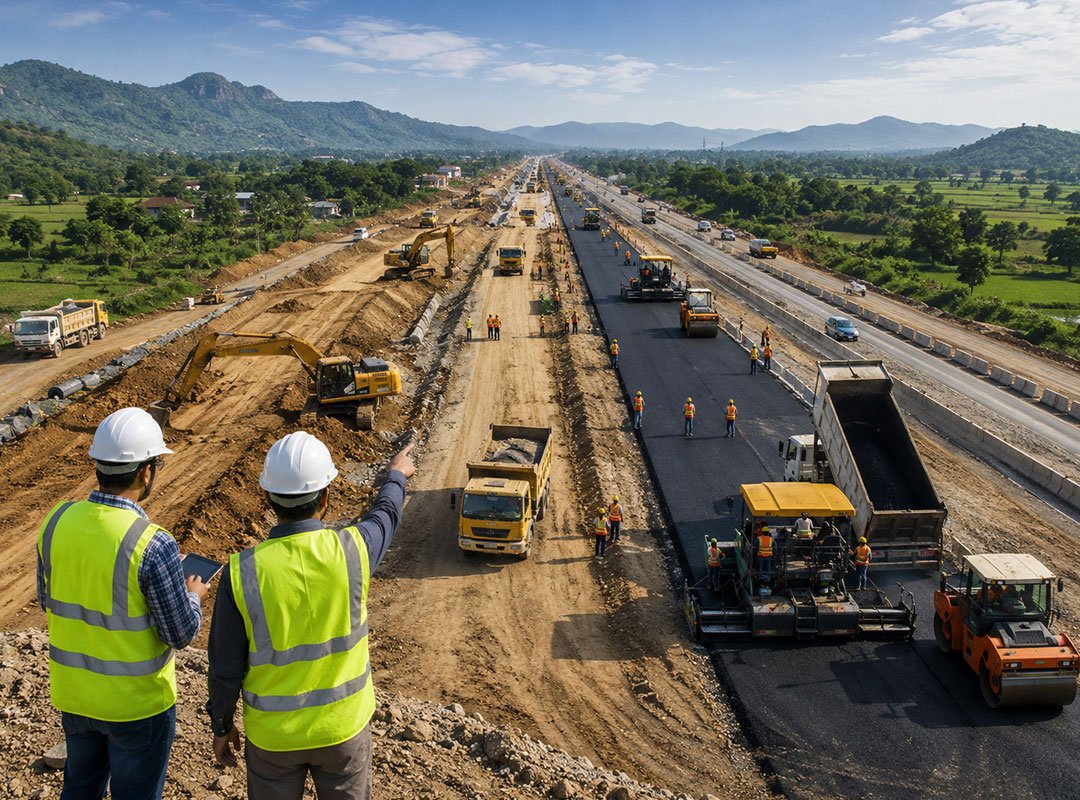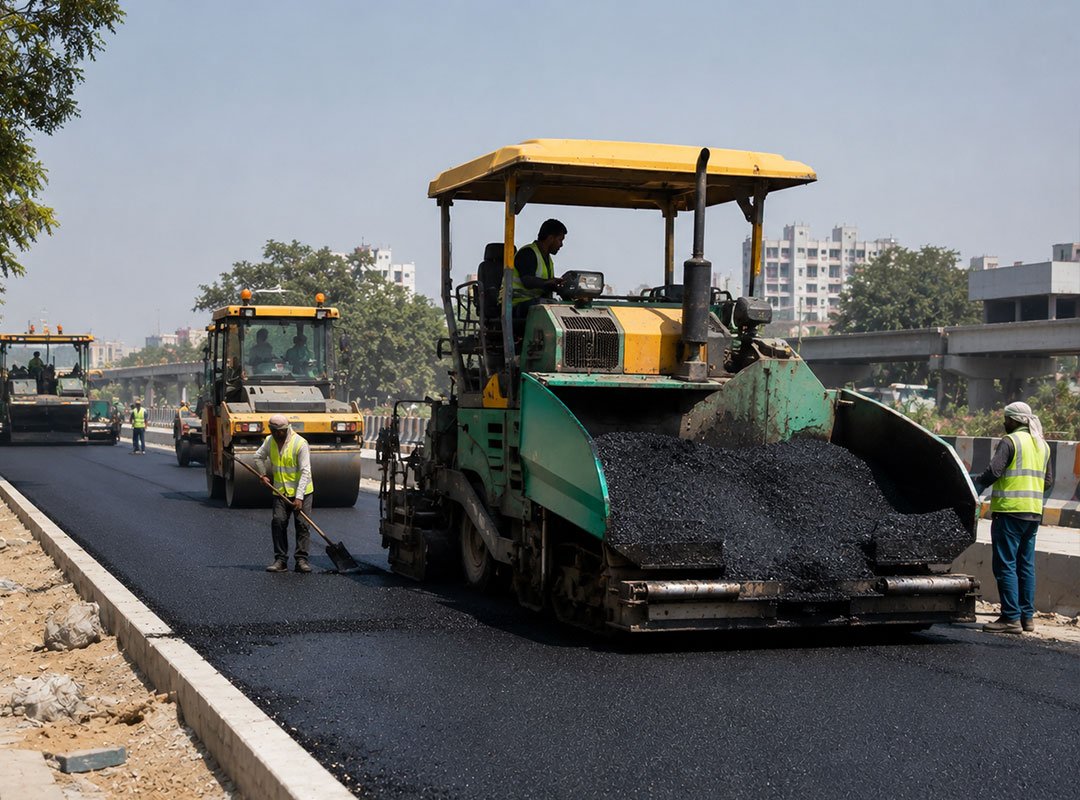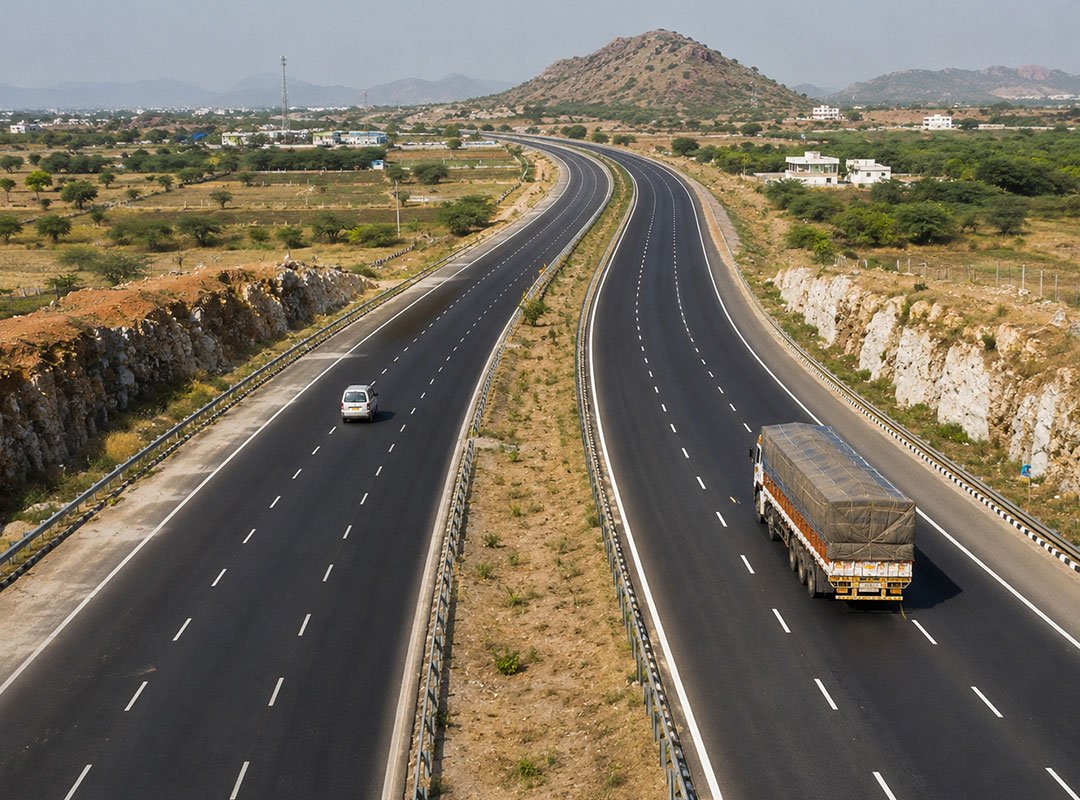
Delhi is one of India’s most infrastructure-intensive regions, where road development extends far beyond constructing new carriageways. The National Capital Region (NCR) supports millions of daily commuters, freight vehicles, public transport systems, industrial traffic, and inter-state connectivity, making road infrastructure critical to economic activity and urban mobility. Unlike greenfield highway projects, road construction in Delhi often takes place within densely developed urban environments where contractors must work around existing roads, utilities, metro corridors, commercial establishments, residential areas, and continuous traffic movement.
Selecting the right Road and Highway Contractors in Delhi therefore requires a different approach from selecting contractors for conventional highway projects. Government departments, industrial developers, logistics parks, commercial builders, educational institutions, and township developers all require contractors capable of executing projects while minimising disruption to public movement and maintaining strict quality and timeline requirements. The complexity of Delhi’s infrastructure ecosystem demands technical expertise, effective coordination, urban construction experience, and disciplined project execution.
Whether the project involves a government road upgrade, an industrial access road, an internal township network, a commercial development, or a highway improvement package, the contractor directly influences construction quality, project duration, operational efficiency, and long-term maintenance costs. Companies such as Pawan Highways India Pvt. Ltd. understand these challenges and execute road infrastructure projects through systematic planning, engineering expertise, and efficient project management. The following factors should be carefully considered when selecting Road and Highway Contractors in Delhi for government as well as private infrastructure projects.
1. Experience in Urban Road Infrastructure Projects
Constructing roads within Delhi presents challenges that differ significantly from projects executed in undeveloped areas. A competent Road and Highway Contractor in Delhi should have experience working in high-density urban environments where construction activities must be coordinated with existing traffic, surrounding developments, utility services, and public infrastructure. Urban projects require careful planning for excavation, pavement rehabilitation, drainage improvements, junction modifications, pedestrian movement, and phased construction while ensuring uninterrupted access for nearby residents and businesses. Contractors familiar with these conditions are better equipped to complete projects efficiently without creating avoidable disruption to daily city operations.
2. Understanding the Different Requirements of Government and Private Projects
Government and private sector road projects follow different execution models, contractual obligations, reporting systems, and approval processes. Government projects executed for organisations such as PWD Delhi, NHAI, CPWD or municipal authorities generally involve more structured inspection, documentation and approval procedures, while private developments often prioritise faster execution and operational readiness. Experienced Road and Highway Contractors in Delhi understand these differences and adapt their planning, documentation, resource allocation, and communication processes according to the specific expectations of each client, ensuring smoother project delivery irrespective of project ownership.
3. Ability to Minimise Traffic Disruption During Construction
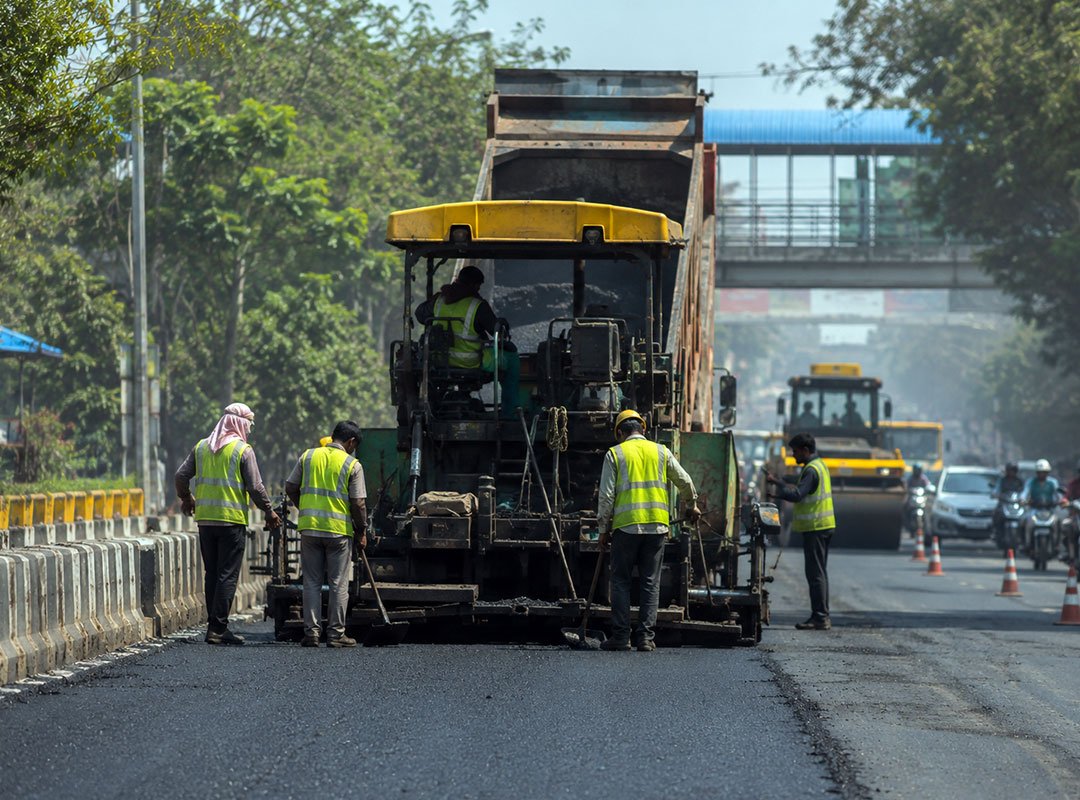
Traffic management is one of the most critical aspects of road construction in Delhi. Even relatively small projects can affect thousands of commuters each day if construction activities are not carefully planned. Professional Road and Highway Contractors in Delhi develop construction methodologies that minimise disruption through phased execution, temporary traffic diversions, night-time construction where permitted, advance public notifications, safe pedestrian access, and effective site barricading. Efficient traffic management not only improves public safety but also enables construction activities to progress without unnecessary interruptions caused by congestion, restricted access, or emergency traffic situations.
4. Capability to Coordinate with Multiple Authorities
Road infrastructure projects in Delhi frequently involve coordination with several public agencies responsible for transportation, utilities, planning, and public services. Depending on the project location, approvals and coordination may be required with organisations such as the Public Works Department (PWD), Municipal Corporation of Delhi (MCD), National Highways Authority of India (NHAI), Delhi Development Authority (DDA), Delhi Metro Rail Corporation (DMRC), traffic police, electricity distribution companies, water supply agencies, and telecommunications service providers. Established Road and Highway Contractors in Delhi understand these institutional processes and maintain structured coordination mechanisms that reduce approval delays, minimise conflicts between agencies, and facilitate uninterrupted project execution.
5. Expertise in Managing Existing Underground Utilities
One of the most common causes of delays in urban road construction is the presence of underground utility infrastructure. Water pipelines, sewer networks, stormwater drains, optical fibre cables, gas pipelines, electrical ducts, and communication lines frequently run beneath existing road corridors, making excavation and pavement reconstruction highly sensitive activities. Experienced Road and Highway Contractors in Delhi conduct detailed utility investigations before construction begins and coordinate closely with utility owners to prevent accidental service interruptions. Effective utility management reduces project risks, prevents costly repairs, minimises public inconvenience, and ensures construction progresses safely while protecting essential urban infrastructure.
6. Capability to Deliver Projects in High-Traffic Corridors
Road construction in Delhi often takes place on corridors that remain operational throughout the construction period, leaving very limited opportunities for full road closures. A reliable Road and Highway Contractor in Delhi should possess the expertise to execute construction activities while maintaining traffic movement through phased construction, temporary carriageways, lane management strategies, and well-planned work schedules. Projects located near commercial centres, hospitals, schools, metro stations, industrial zones, or major intersections require precise planning to minimise inconvenience to commuters and businesses. Contractors capable of maintaining construction productivity under these demanding conditions are more likely to deliver projects within schedule while ensuring public safety and uninterrupted mobility.
7. Strong Local Supply Chain and Vendor Network
Timely availability of construction materials plays a significant role in maintaining project schedules, particularly in urban environments where storage space is limited and transportation restrictions may apply. Established Road and Highway Contractors in Delhi develop reliable networks of approved suppliers, aggregate producers, bitumen distributors, concrete manufacturers, equipment service providers, and logistics partners within Delhi NCR. A strong local supply chain enables contractors to respond quickly to changing project requirements, reduce procurement delays, maintain consistent material quality, and minimise disruptions caused by transportation constraints. Efficient vendor management also improves cost control and ensures uninterrupted construction progress throughout the project lifecycle.
8. Adoption of Smart Construction Technologies
Technology has become an essential component of modern road construction, particularly in urban infrastructure projects where precision, speed, and transparency are critical. Leading Road and Highway Contractors in Delhi increasingly utilise GPS-enabled surveying equipment, drone-assisted site monitoring, digital project reporting platforms, mobile inspection applications, Geographic Information Systems (GIS), and cloud-based documentation to improve planning and execution. These technologies enable real-time monitoring of construction progress, faster issue resolution, improved communication among stakeholders, and better documentation of project activities. Digital construction management also enhances accountability by providing accurate project records and supporting timely decision-making throughout the execution process.
9. Focus on Lifecycle Performance Instead of Initial Construction Cost
The lowest project cost does not always represent the best long-term value. High-quality road infrastructure should deliver reliable performance over many years while reducing the frequency of maintenance interventions and operational disruptions. Experienced Road and Highway Contractors in Delhi prioritise engineering practices that improve pavement durability, structural stability, drainage performance, and riding quality, thereby extending the service life of completed roads. Selecting a contractor based on lifecycle value rather than initial construction cost helps project owners reduce future repair expenses, minimise traffic disruptions caused by maintenance activities, and maximise the return on infrastructure investment.
10. Local Presence and Long-Term Project Support
Infrastructure projects often require continued technical support even after construction has been completed, including inspections, defect rectification, maintenance coordination, and assistance during the defect liability period. Contractors with an established operational presence in Delhi NCR are generally better positioned to respond quickly to site requirements, mobilise engineering teams without delay, coordinate with local authorities, and provide timely post-construction support. Companies such as Pawan Highways India Pvt. Ltd. combine local project understanding with structured execution processes to deliver reliable road infrastructure solutions for both government and private sector clients. Their familiarity with Delhi’s regulatory environment, construction challenges, and urban infrastructure requirements contributes to efficient project delivery and sustained asset performance.
Choosing the right Road and Highway Contractors in Delhi requires much more than comparing quotations or evaluating construction capacity. Urban road projects demand specialised expertise in traffic management, utility coordination, stakeholder engagement, regulatory compliance, digital project management, and efficient execution within densely populated environments. Contractors that understand these complexities are better equipped to deliver projects safely, efficiently, and with minimal disruption to public life.
Whether the project is being undertaken for a government department, industrial facility, commercial development, logistics park, or township, selecting experienced Road and Highway Contractors in Delhi helps ensure better construction quality, improved operational performance, and lower lifecycle maintenance requirements. With extensive expertise in road infrastructure development, disciplined engineering practices, and a commitment to timely project execution, Pawan Highways India Pvt. Ltd. continues to support the development of durable, efficient, and future-ready transportation infrastructure across Delhi NCR and beyond.