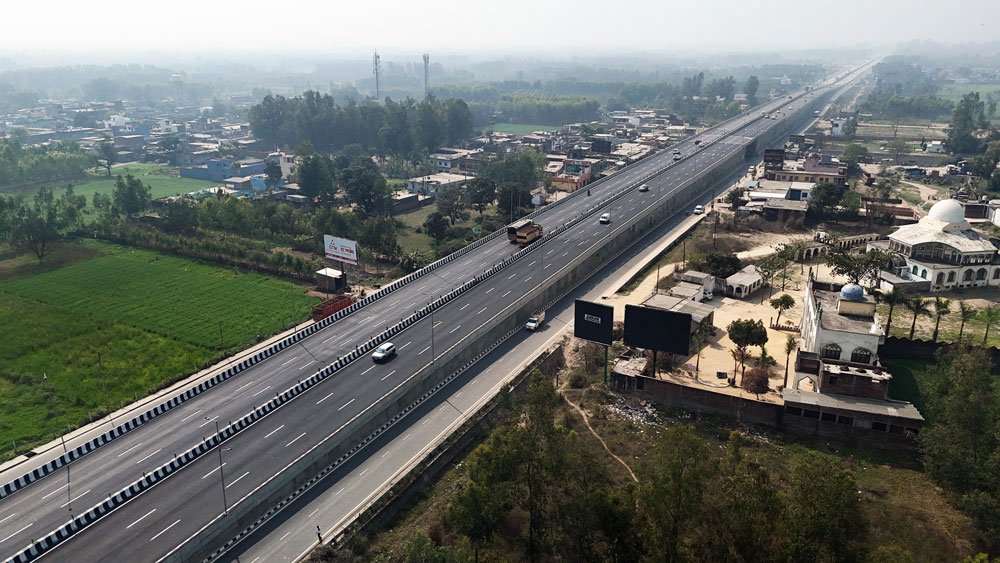
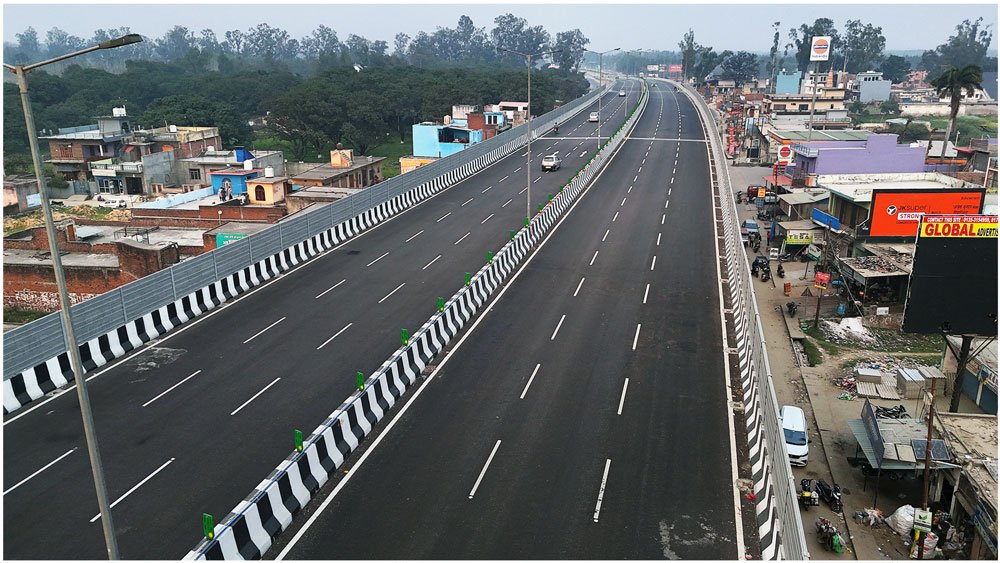
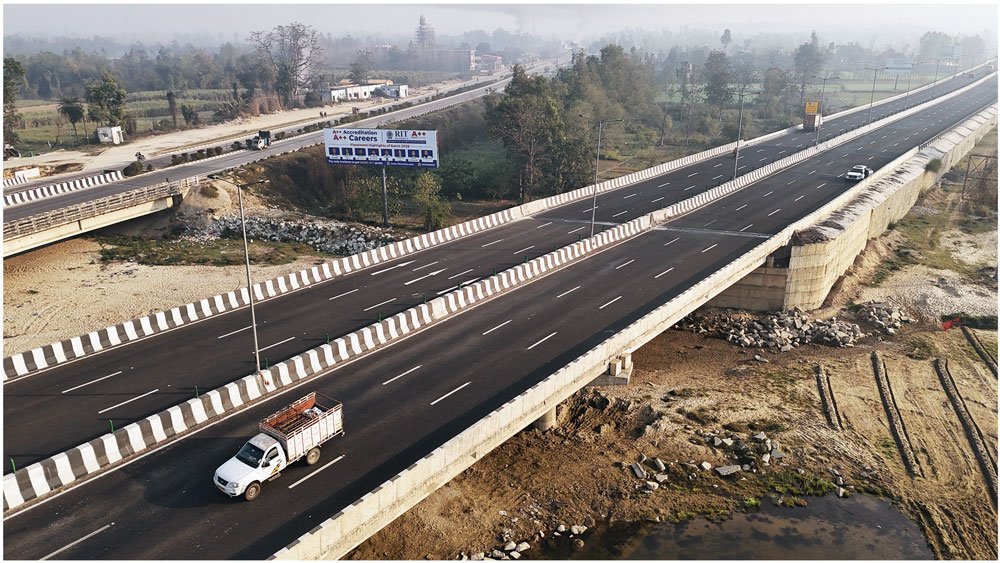
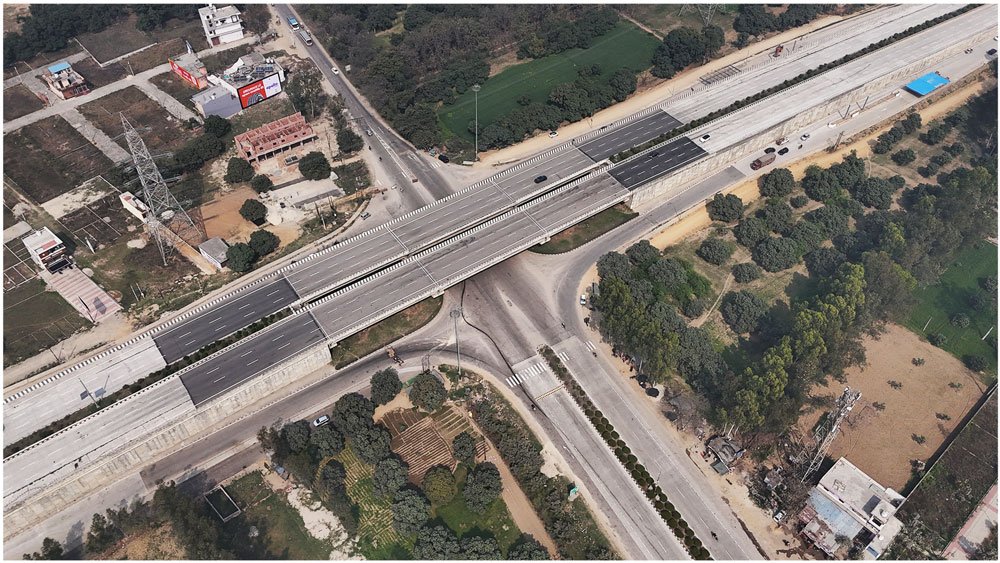
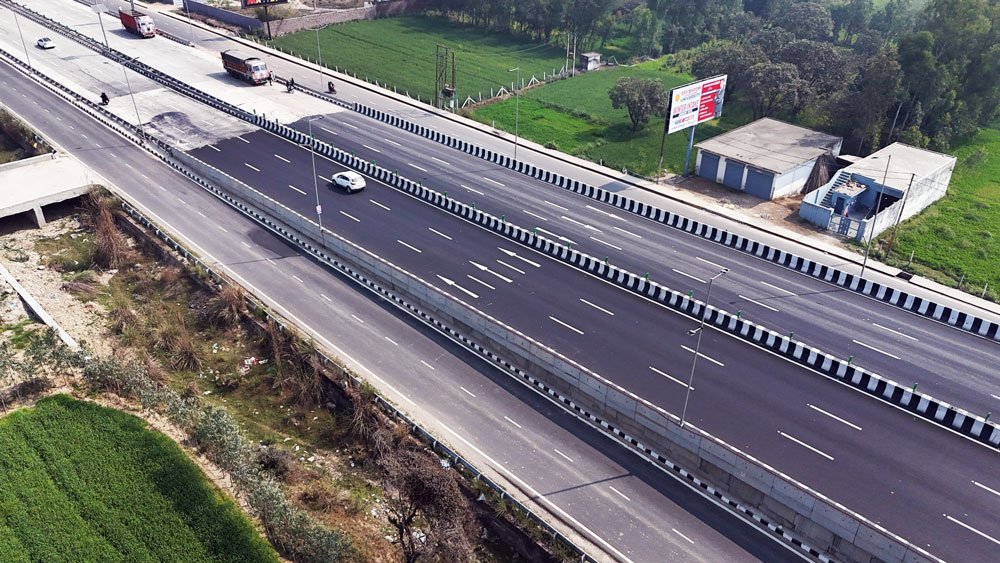
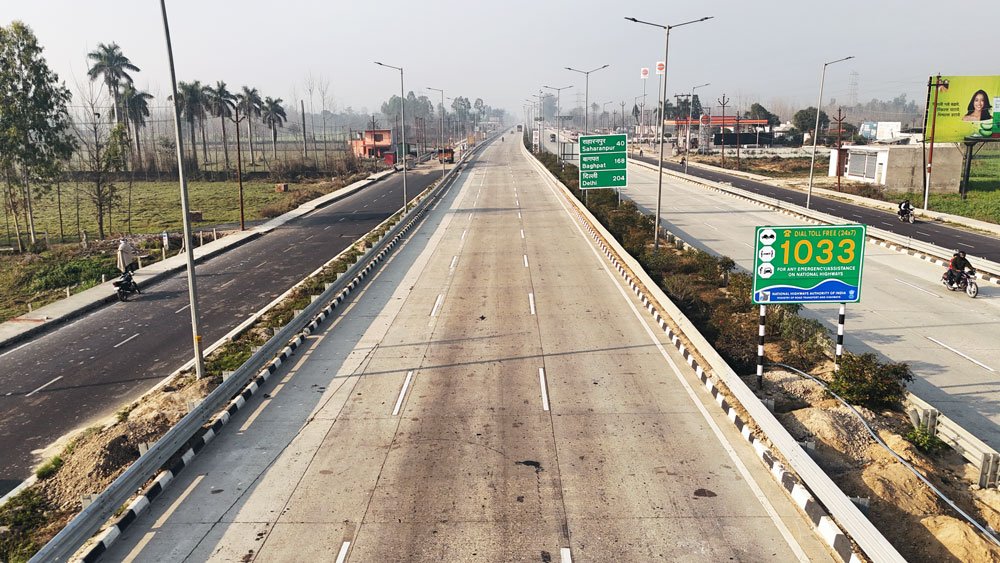
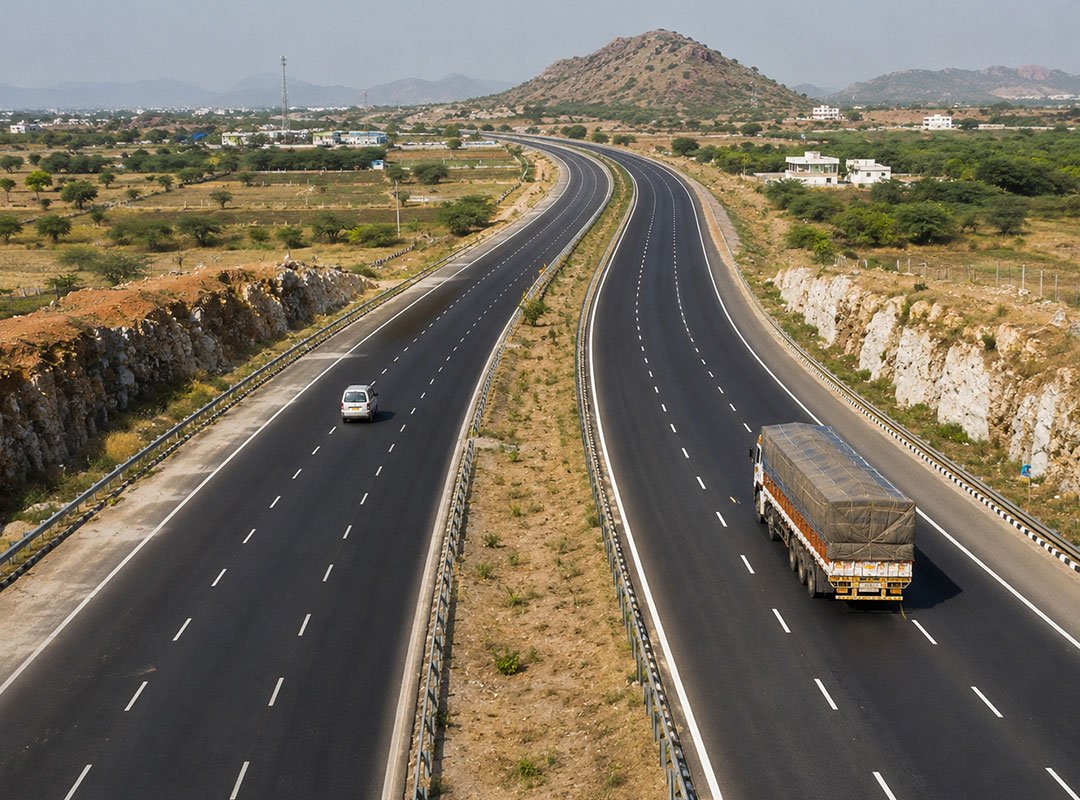
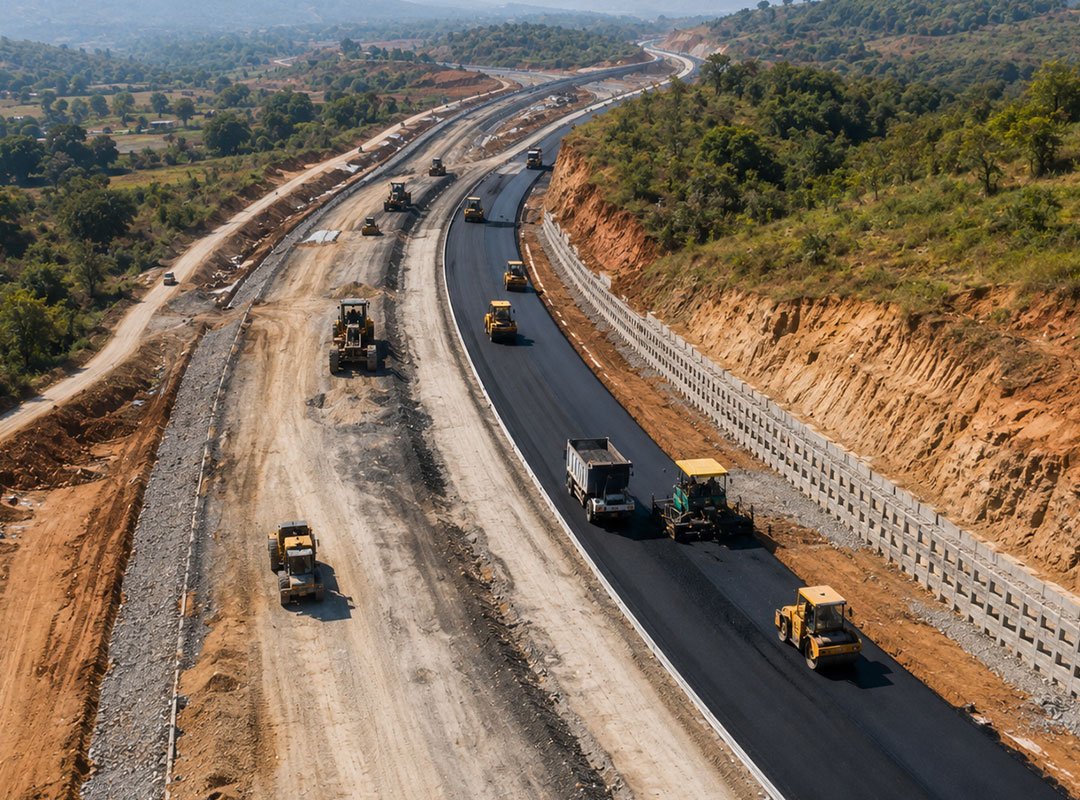
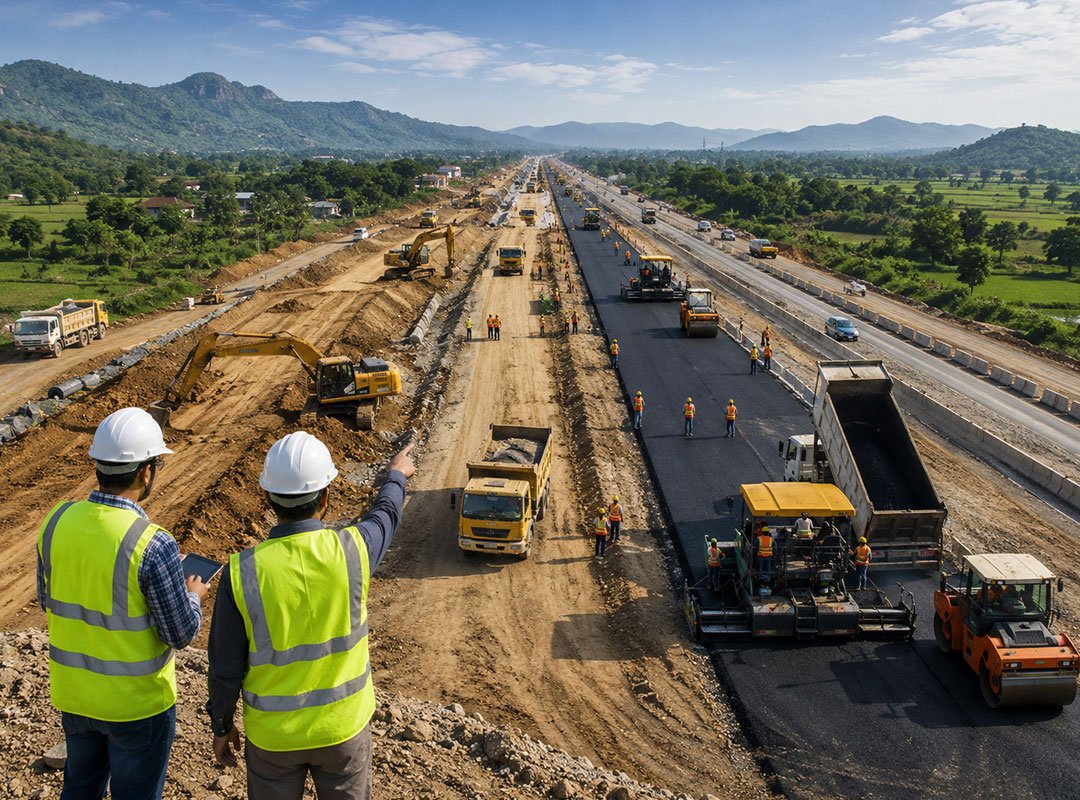
Infrastructure projects may appear similar, but every project begins with different engineering conditions. A highway through agricultural land, an urban road redevelopment project, a bridge approach, or an access-controlled expressway each presents unique technical requirements before construction even starts. Terrain, soil characteristics, traffic patterns, existing utilities, environmental conditions, land availability, and project objectives all influence engineering decisions from the earliest planning stage.
Before construction begins, engineers analyse topographical surveys, geotechnical investigations, hydrological data, traffic studies, and environmental constraints to determine the most suitable design and construction methodology. These assessments help identify risks early, allowing practical engineering solutions that improve efficiency and minimise construction challenges.
For experienced EPC contractors in India, project planning is never based on a standard template. Every project requires an independent engineering assessment that reflects its location, purpose, and technical requirements.
1. EVERY LOCATION PRESENTS DIFFERENT CHALLENGES
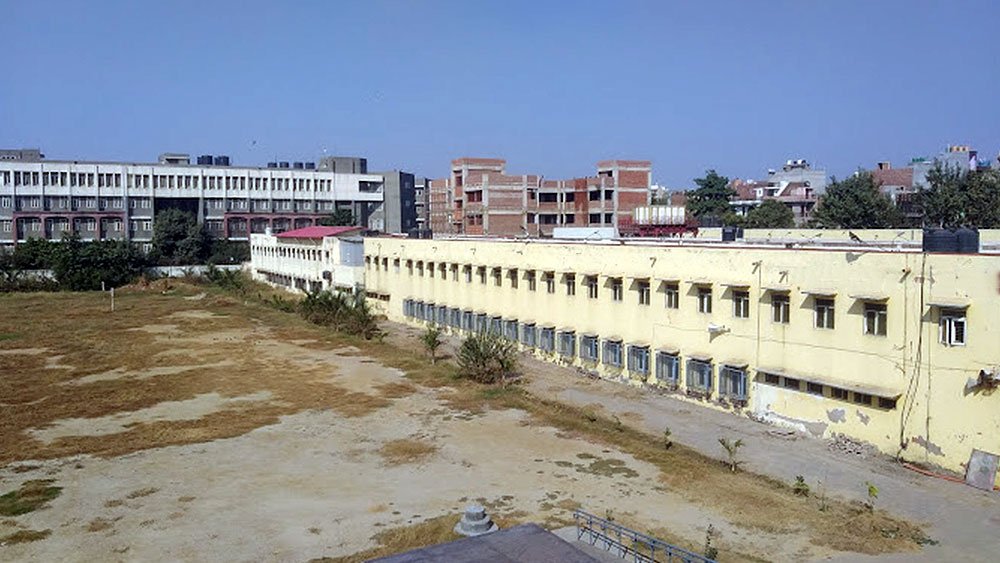
One of the first priorities in any infrastructure project is understanding the existing site. Engineers often work around highways, residential areas, canals, railway crossings, utility corridors, industrial zones, forests, rivers, and public infrastructure that must remain operational throughout construction.
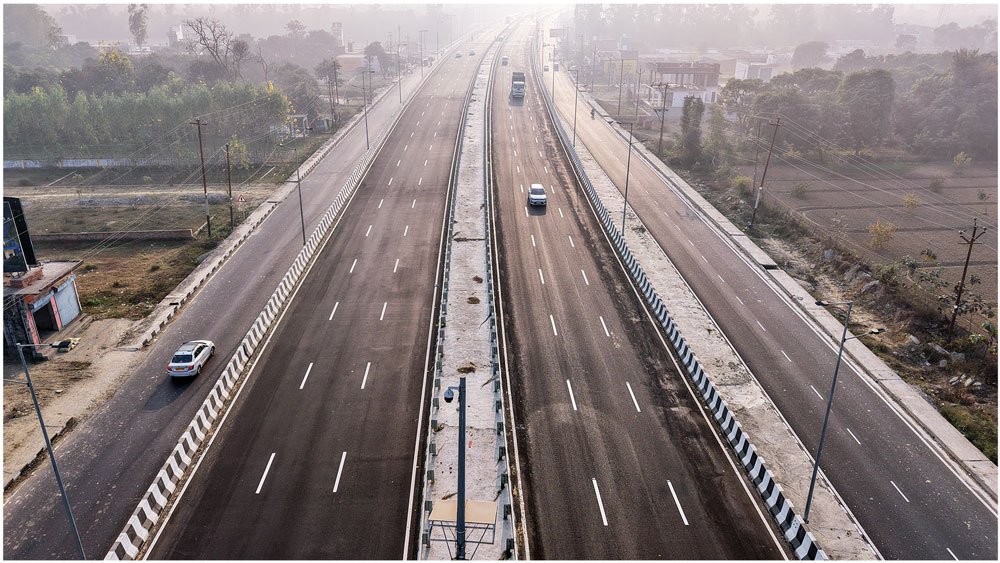
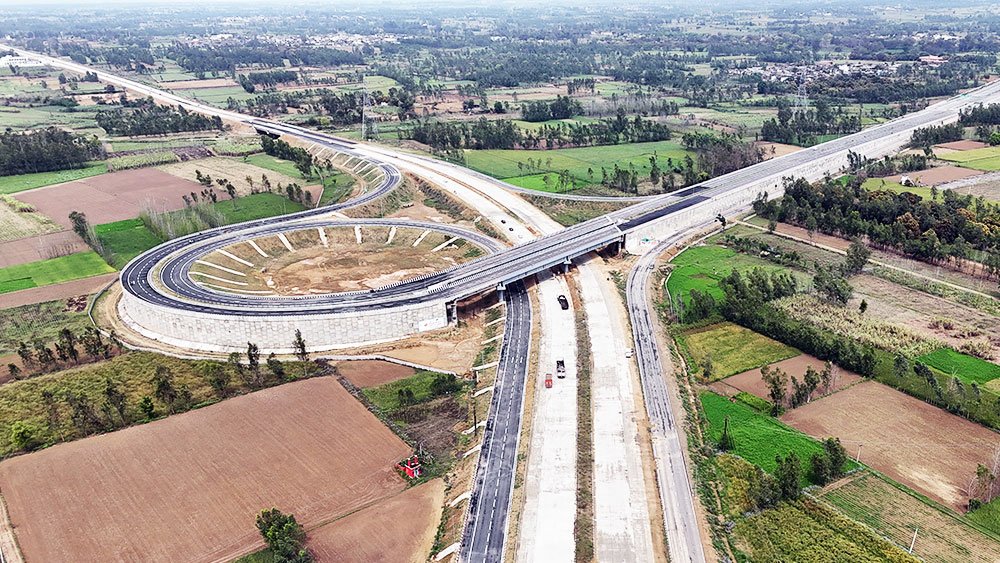
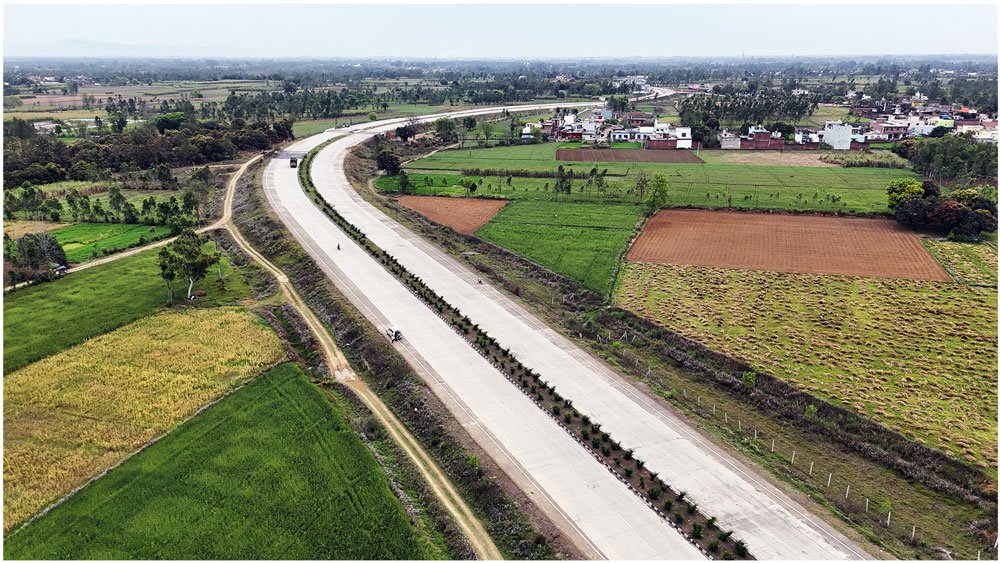
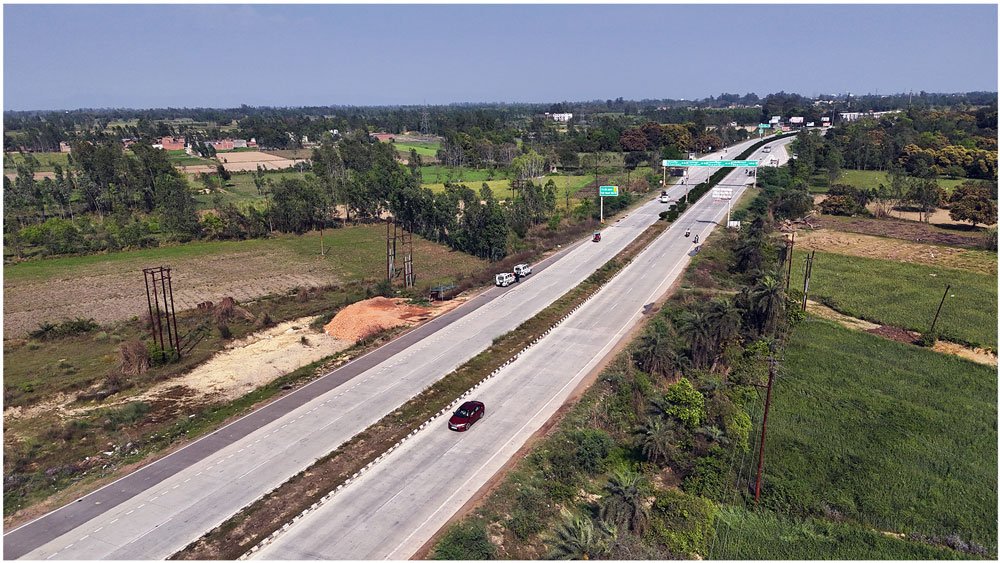
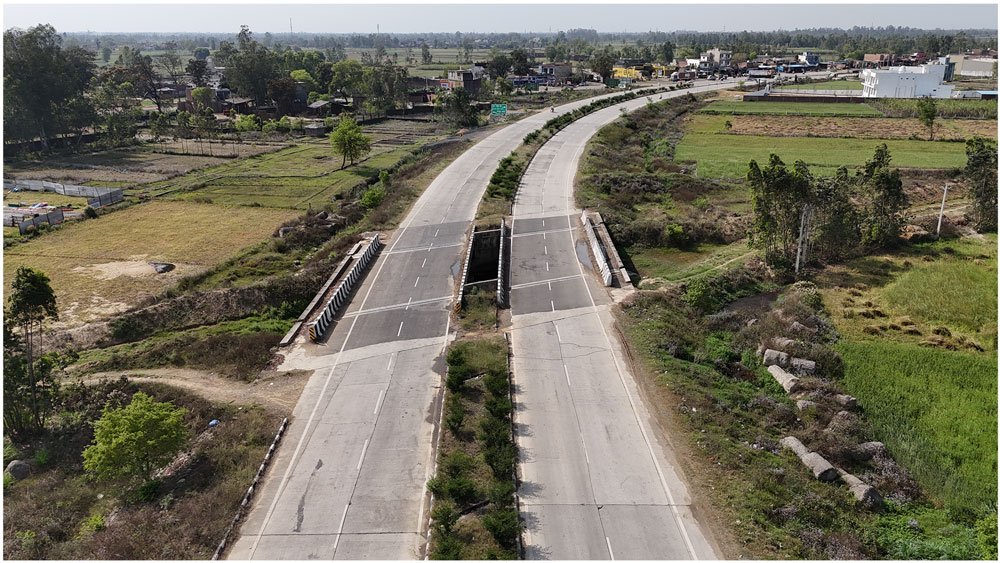
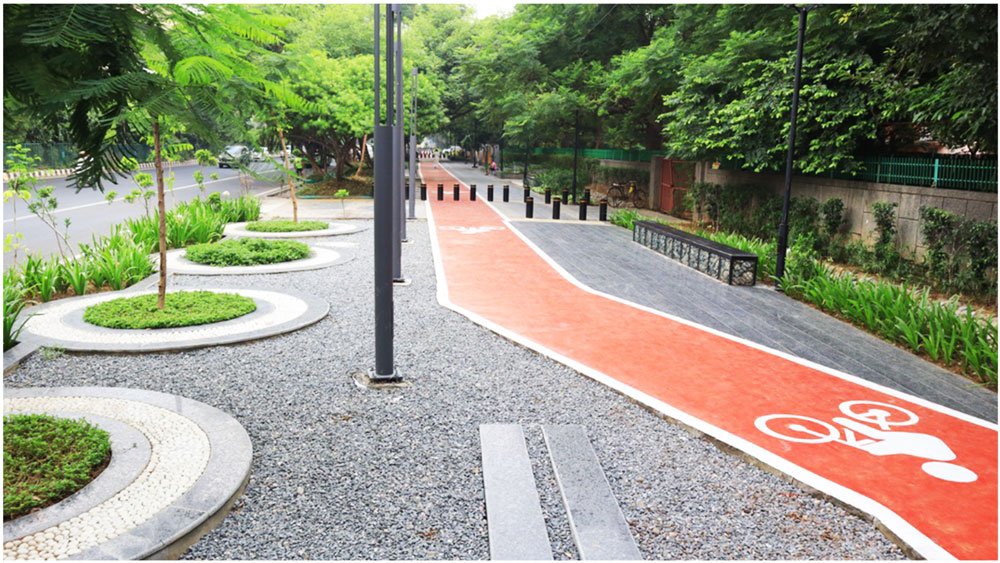
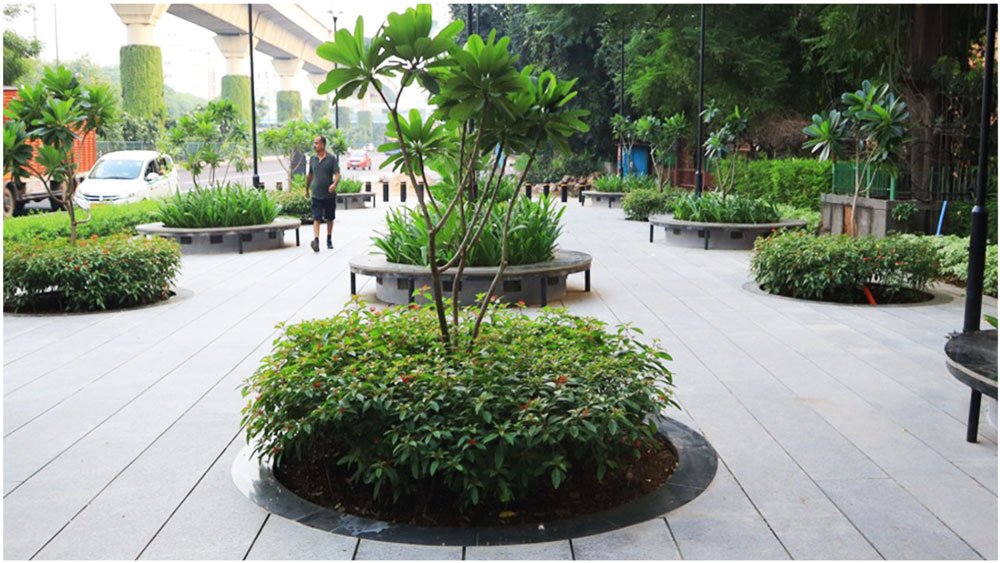
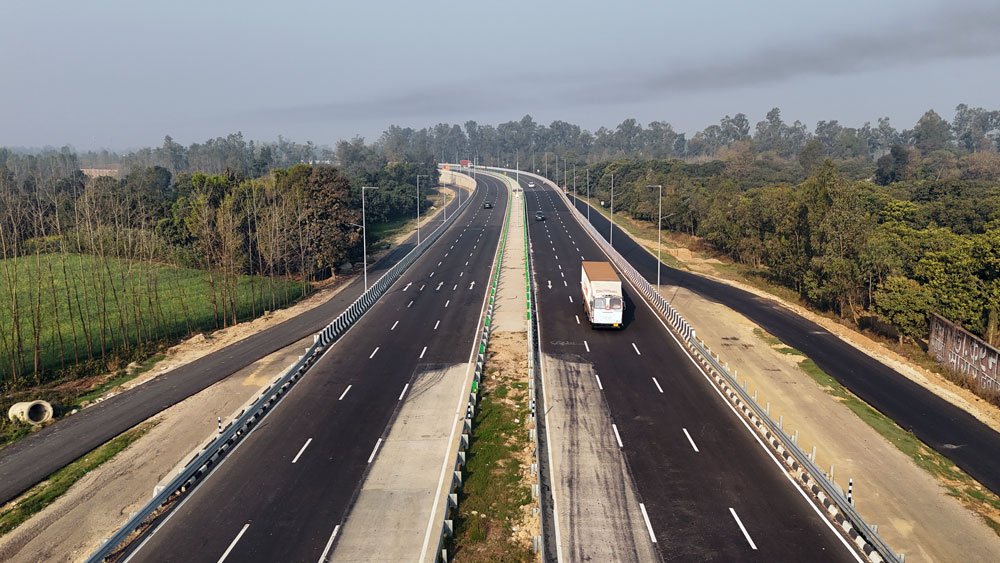
For example, a highway bypass may require long embankments across open terrain, while an urban road project often involves limited working space, underground utilities, continuous traffic, and restricted construction access. Similarly, bridge approaches demand precise level transitions, whereas expressways require carefully designed interchanges, service roads, and controlled access.
These site conditions influence construction planning, equipment deployment, project sequencing, and resource allocation. Successful highway builders in India adapt their execution strategies to actual site conditions instead of applying identical construction methods to every project.
2. ENGINEERING BEGINS WITH INVESTIGATION
Engineering investigations provide the technical information required before construction starts. Geotechnical studies determine soil strength and bearing capacity, topographical surveys establish existing ground levels, while hydrological assessments evaluate drainage behaviour and flood risks.
The findings influence foundation design, embankment heights, pavement thickness, drainage layouts, and earthwork quantities. Investing in these investigations reduces uncertainty, supports better engineering decisions, and helps project teams anticipate technical challenges before execution begins.
3. EVERY PROJECT SERVES A DIFFERENT PURPOSE
Infrastructure projects are developed to address different transportation and connectivity requirements, so engineering priorities naturally change from one project to another.
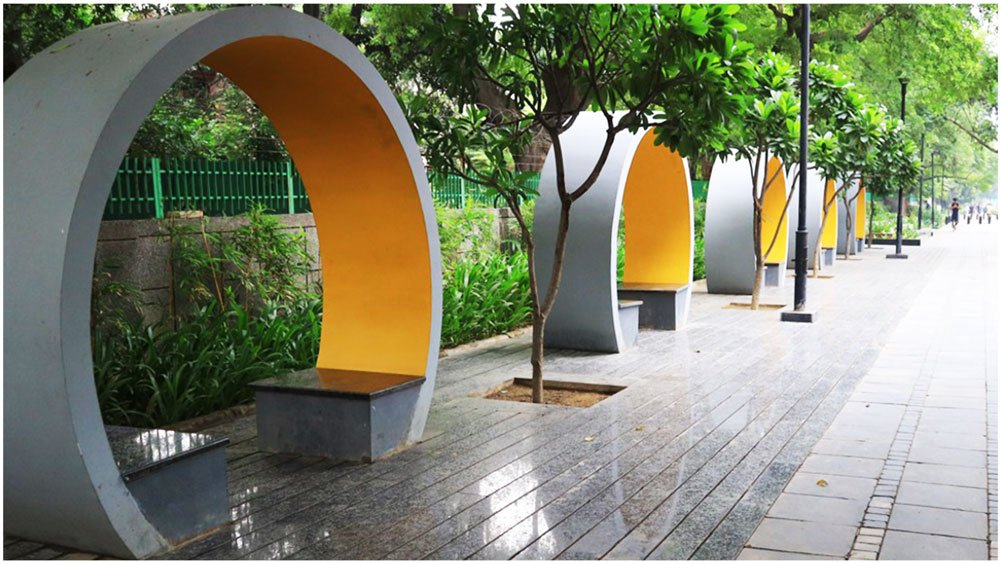
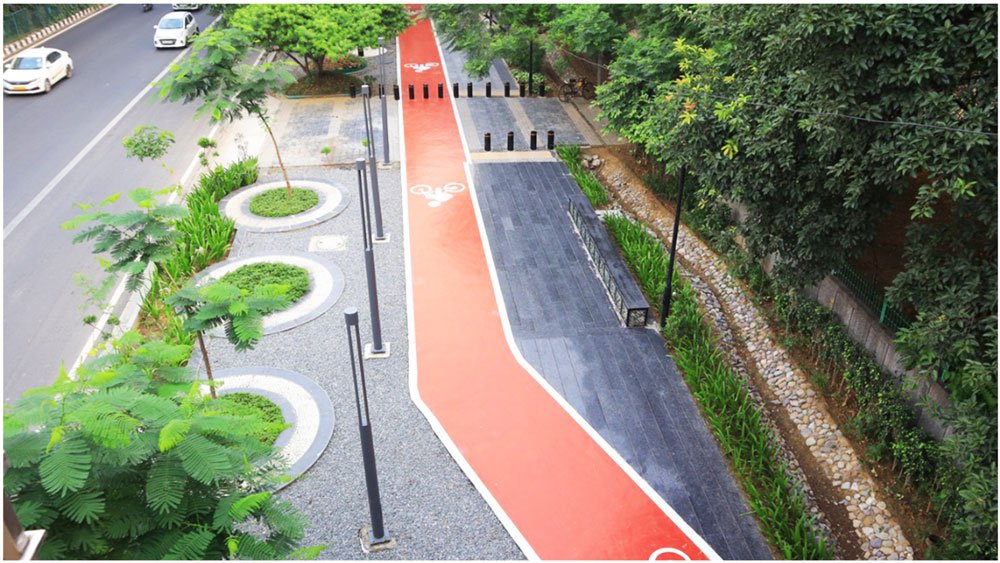
An urban road redevelopment project may focus on pedestrian safety, traffic management, and utility integration. A national highway is designed to improve regional connectivity and accommodate higher traffic volumes. Expressways prioritise uninterrupted high-speed movement through controlled access and grade-separated interchanges, while industrial access roads are engineered to support frequent heavy commercial vehicles.
Because every project serves a different purpose, design standards, construction techniques, and quality requirements also vary. This is why expressway construction services in India require different engineering approaches from conventional highway construction, even though both involve pavement engineering and civil works.
4. DESIGN ADAPTS TO FUNCTIONAL REQUIREMENTS
Engineering design is influenced by traffic volumes, axle loads, operating speeds, environmental conditions, terrain, and future expansion plans rather than road length alone. Pavement thickness, drainage capacity, retaining structures, and geometric design are all selected according to project-specific functional requirements.
For leading EPC contractors in India, adapting engineering design to these requirements ensures infrastructure performs efficiently throughout its intended service life while reducing future maintenance needs.
5. EVERY PROJECT DEMANDS DIFFERENT CONSTRUCTION MATERIALS
Material selection is one of the most important engineering decisions in any infrastructure project. Although highways, expressways, bridges, and urban roads may appear similar after completion, the materials used during construction vary according to traffic volume, climatic conditions, soil characteristics, structural requirements, and expected service life.
For example, pavement design for an industrial corridor carrying heavy commercial vehicles differs from that of an urban road with mixed traffic. Bitumen grade, pavement thickness, aggregate quality, concrete strength, reinforcement specifications, and drainage materials are all selected according to project-specific engineering requirements.
Material selection also responds to environmental conditions. Regions experiencing higher pavement temperatures often require different bitumen binder grades to minimise deformation, while concrete grades vary according to structural loading, environmental exposure, and durability requirements.
This engineering approach enables experienced highway builders in India to deliver infrastructure that performs reliably under different operating conditions while reducing long-term maintenance requirements.
6. QUALITY REQUIREMENTS CHANGE WITH EVERY PROJECT
Although every infrastructure project follows approved quality standards, the parameters being monitored differ according to the type of work being executed. Highway construction focuses on pavement density, riding quality, and layer thickness. Structural works require continuous monitoring of reinforcement placement, concrete strength, and foundation integrity. Drainage systems are assessed for hydraulic performance, while pedestrian infrastructure focuses on accessibility, durability, and finished surface levels.
Laboratory testing also varies accordingly. Soil is evaluated for bearing capacity and compaction, aggregates undergo grading and strength tests, concrete is tested for compressive strength, and bituminous mixes are verified for density, stability, and binder content before construction proceeds.
For leading EPC contractors in India, adapting inspection and testing procedures to project-specific requirements is essential for maintaining construction quality.
7. THE ORDER OF WORK IS NEVER IDENTICAL
Infrastructure projects rarely follow the same construction sequence because engineering priorities vary from one project to another. Utility relocation may be required before excavation on one project, while another may prioritise drainage structures to protect embankments during construction. Bridge projects generally begin with foundations and substructures, whereas expressways often progress simultaneously across multiple work fronts to accelerate completion.
Construction sequencing is planned to optimise equipment utilisation, minimise delays, and ensure different engineering activities support one another. This flexibility enables expressway construction services in India to execute complex projects efficiently despite varying site conditions and technical challenges.
8. RESOURCE PLANNING DEPENDS ON PROJECT COMPLEXITY
Every infrastructure project requires a different combination of manpower, equipment, materials, and construction resources. Urban projects often depend on compact equipment because of limited working space, while greenfield highways allow large machinery to operate across wider corridors.
Similarly, projects involving bridges, flyovers, or extensive drainage systems require additional structural engineers, specialised equipment, concrete production facilities, and quality control teams compared with conventional road construction.
For experienced highway builders in India, aligning resources with actual project priorities improves productivity while ensuring engineering activities progress efficiently.
9. EVERY CONSTRUCTION ENVIRONMENT PRESENTS DIFFERENT RISKS
Safety planning changes according to project location, construction activities, and surrounding conditions. Urban road projects require continuous traffic management, pedestrian protection, and coordination with existing public utilities. Highway projects focus on heavy equipment movement, high-speed traffic diversions, and large work zones, while bridge construction introduces additional risks associated with lifting operations and working at height.
Risk assessments, traffic diversion plans, equipment movement strategies, emergency response procedures, and worker safety measures are therefore developed according to project-specific conditions rather than applying identical safety practices to every construction site.
For experienced EPC contractors in India, adapting safety planning to individual project requirements is an essential part of successful project execution.
10. PROJECTS MUST ADAPT TO CHANGING SITE CONDITIONS
Even the most carefully planned infrastructure projects must adapt to changing site conditions during execution. Engineers may encounter weaker soil strata than expected, hidden underground utilities, seasonal rainfall, or unforeseen traffic management challenges that require changes to construction methodology without compromising technical standards.
For example, unexpected soil conditions may require additional ground improvement before pavement construction, while newly identified utility lines can alter excavation sequences. Heavy rainfall may also require temporary drainage measures before earthwork resumes. Responding to these situations through timely engineering decisions helps maintain progress while reducing the impact on project schedules.
For experienced EPC contractors in India, the ability to adapt to changing site conditions is an essential part of delivering complex public infrastructure projects successfully.
11. CONSTRUCTION SCHEDULES REFLECT PROJECT REQUIREMENTS
Every infrastructure project follows a different construction schedule based on its location, complexity, and operational requirements. Greenfield highway projects often allow multiple work fronts where earthwork, structures, and pavement construction progress simultaneously. Urban road projects, however, are usually executed in phases to minimise disruption to traffic, businesses, and nearby communities.
Projects near schools, hospitals, industrial zones, or densely populated areas may require restricted working hours, while expressway developments often deploy multiple engineering teams and equipment fleets to accelerate corridor construction.
For organisations providing expressway construction services in India, effective scheduling depends on balancing engineering priorities, public convenience, resource availability, and seasonal conditions rather than following a uniform construction programme.
12. PERFORMANCE GOES BEYOND PROJECT COMPLETION
Completing construction is only one measure of project success. Every infrastructure project is evaluated according to the technical and operational objectives established during planning.
Highway projects are assessed for pavement quality, drainage performance, ride comfort, and long-term durability. Urban road projects focus on traffic flow, pedestrian accessibility, and utility integration, while expressways are evaluated for controlled access, travel efficiency, and operational safety. Bridge projects, on the other hand, prioritise structural integrity and load-carrying performance.
Because every project serves a different purpose, performance indicators also differ. This project-specific evaluation enables experienced highway builders in India to deliver infrastructure that meets its intended function while maintaining long-term reliability.
13. PAWAN HIGHWAYS INDIA PVT. LTD. (PHIPL)’S PROJECT APPROACH
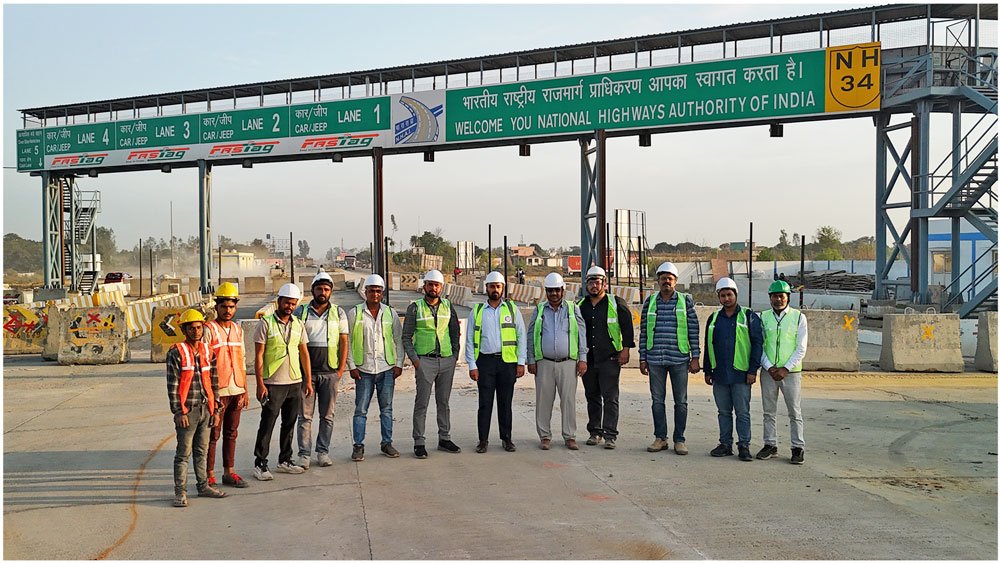
At Pawan Highways India Pvt. Ltd. (PHIPL), every project is approached as a unique engineering assignment rather than a standard construction exercise. Before execution begins, the company evaluates site conditions, engineering requirements, traffic demands, environmental constraints, utility networks, and construction challenges to develop an execution strategy suited to the project’s specific objectives.
As experienced EPC contractors in India, PHIPL combines engineering planning, specialised construction equipment, quality assurance, laboratory testing, and disciplined project management to deliver infrastructure that complies with approved technical specifications while adapting to varying project conditions.
With extensive experience among established highway builders in India, the company executes highways, bridges, roads, drainage systems, and associated civil works through project-specific engineering solutions, continuous monitoring, and systematic technical supervision.
PHIPL also provides expressway construction services in India, recognising that access-controlled corridors demand different engineering priorities from conventional highways. By adapting construction sequencing, pavement design, traffic management, and quality control to each project’s unique requirements, the company delivers infrastructure that is efficient, durable, and built for long-term performance.
Rather than applying the same construction strategy to every assignment, PHIPL believes successful infrastructure is created by understanding the engineering priorities unique to each project. This project-specific approach enables the company to deliver reliable public infrastructure while creating lasting value for clients and communities.