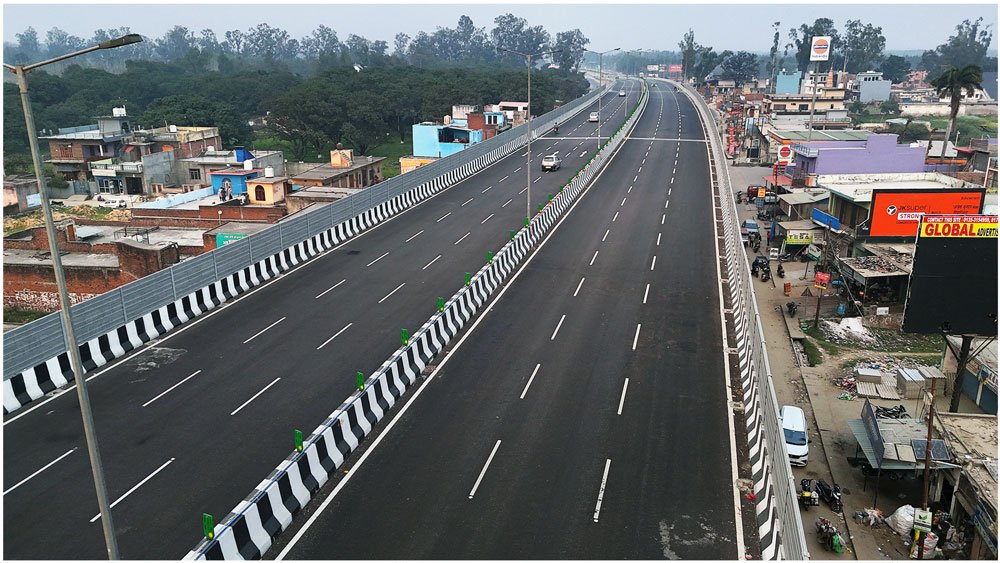
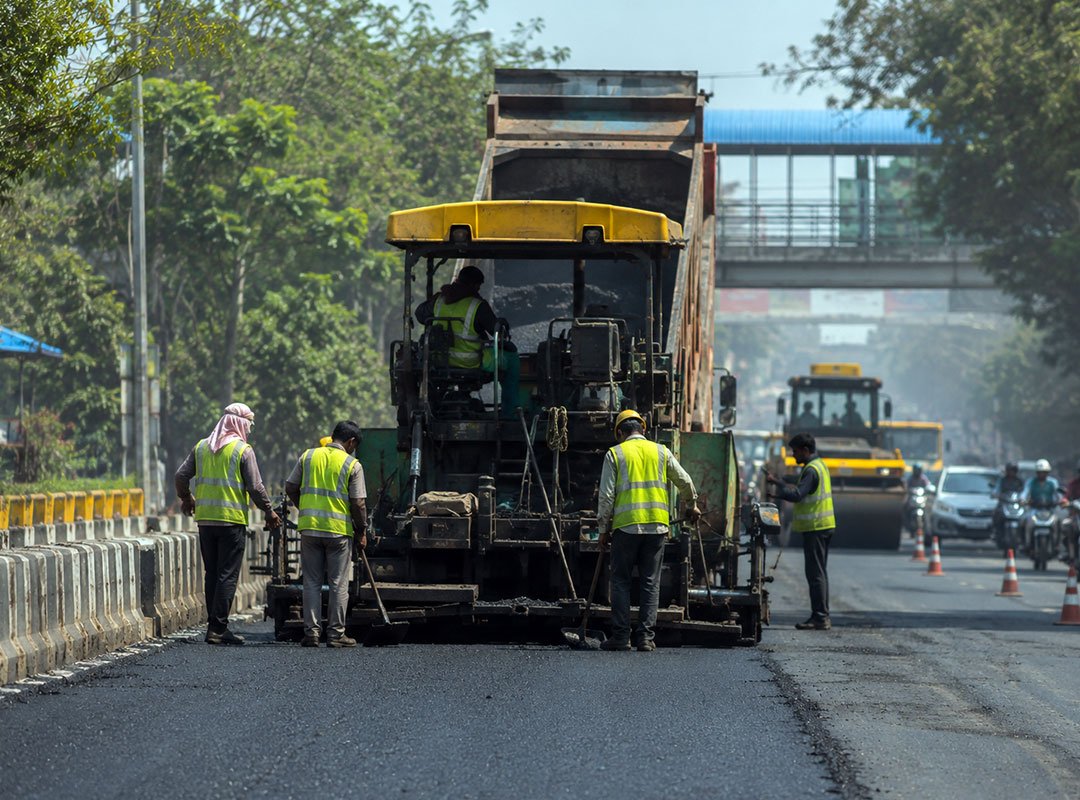
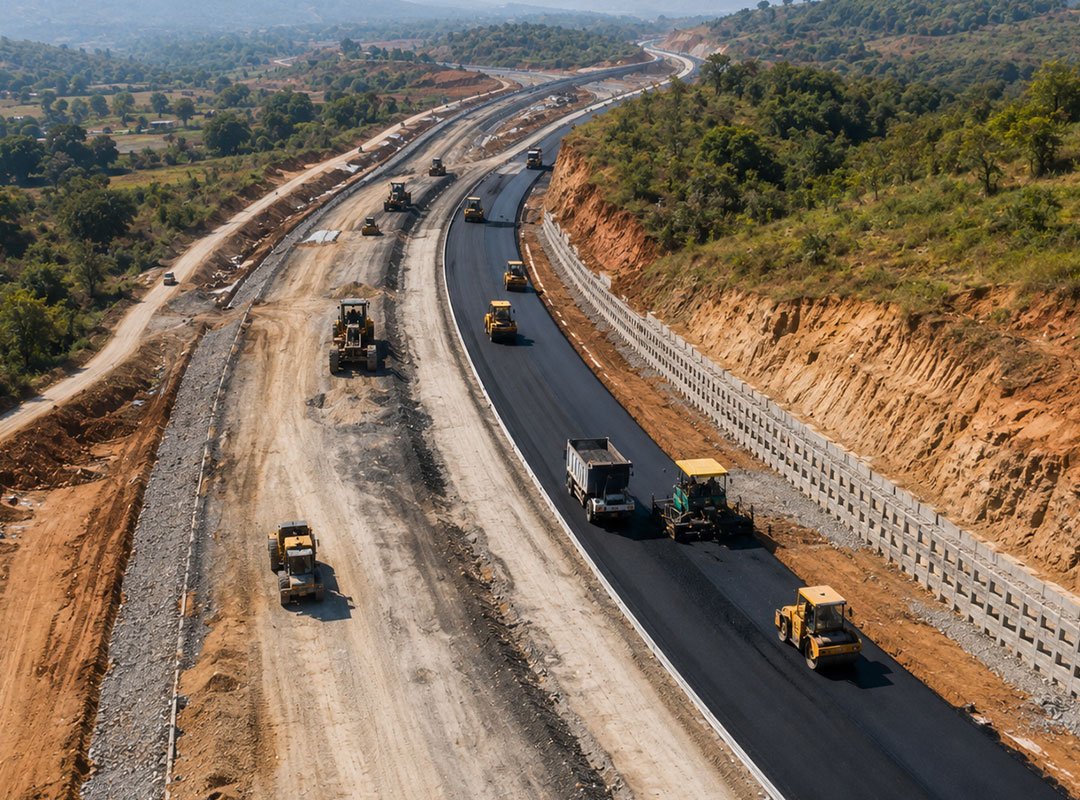
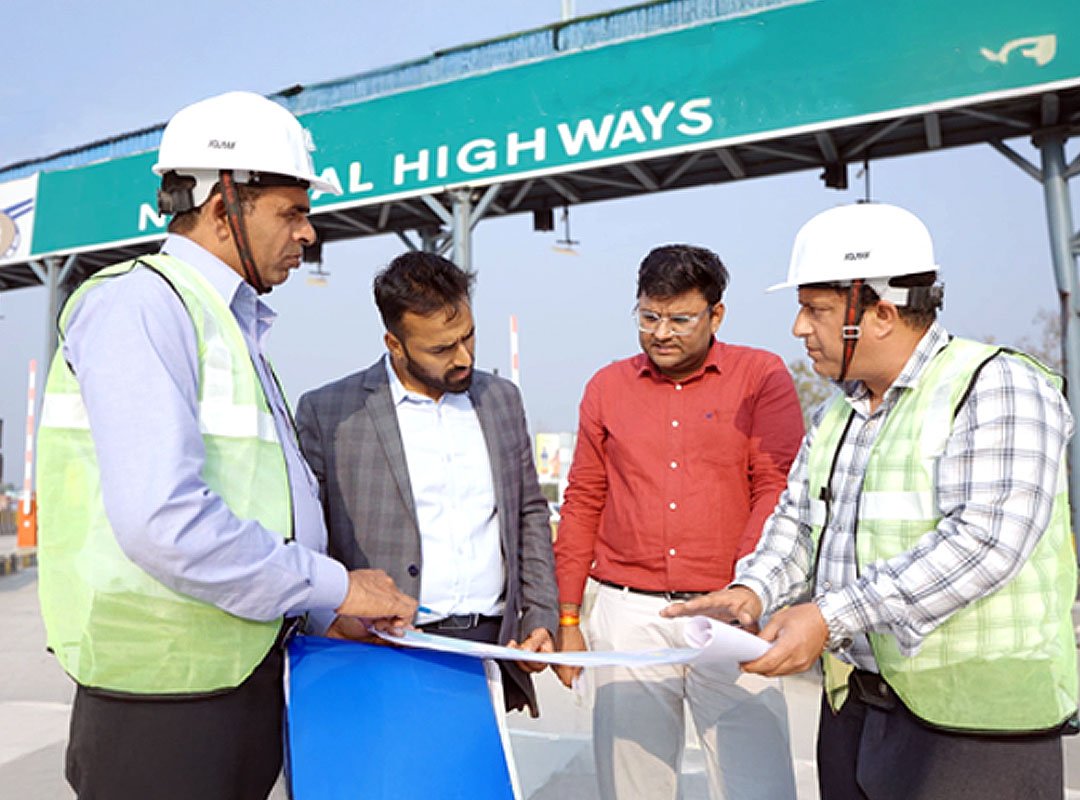
Infrastructure is often measured by the number of highways constructed or bridges completed. However, its true value lies in the opportunities it creates long after a project is delivered. A well-planned road network improves business efficiency, strengthens public services, supports industrial investment, and connects communities with better opportunities. It is one of the few sectors that influences almost every part of a country’s development. This is why experienced highway construction companies in India play a vital role in supporting the nation’s infrastructure development.
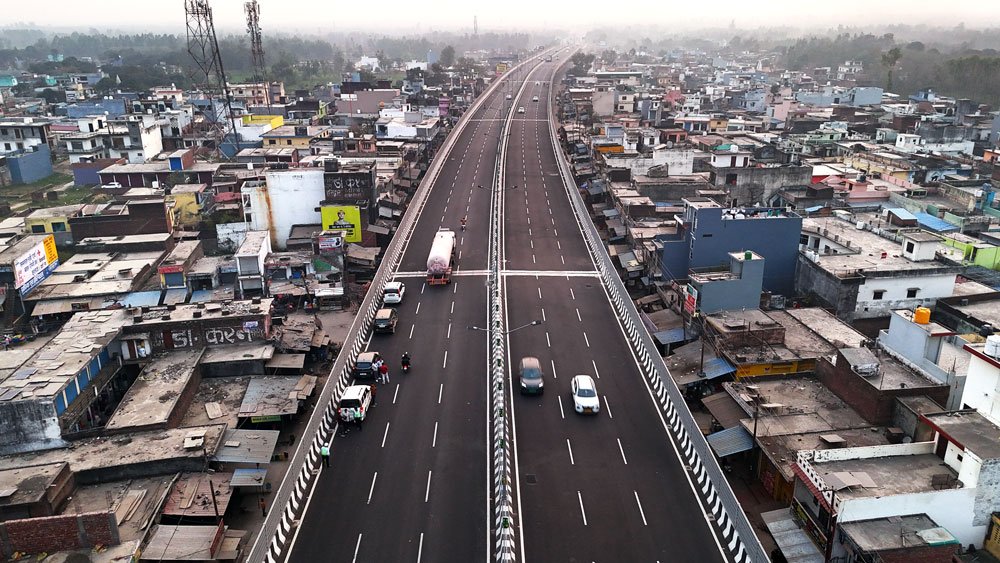
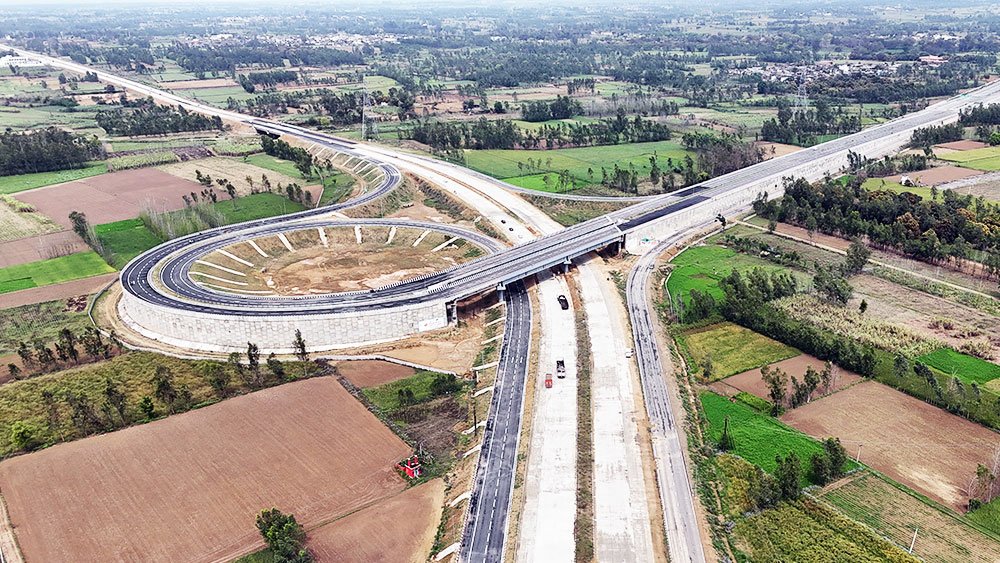
India’s infrastructure ambitions have grown significantly over the last decade. According to the Ministry of Road Transport and Highways (MoRTH), the country now has a road network exceeding 6.7 million kilometres, making it the second-largest road network in the world. More importantly, National Highways account for only around 2% of the total road length but carry nearly 40% of road traffic, demonstrating their importance in supporting economic activity across the country. Expanding this highway network remains one of the country’s highest infrastructure priorities.
This growing demand has changed the role of every highway construction company in India. Infrastructure projects are no longer evaluated only on engineering quality or completion timelines. They are expected to improve mobility, strengthen regional economies, support industries, and create long-term public value through sustainable road construction and highway infrastructure development.
ECONOMIC GROWTH
1. Reducing Logistics Costs
Efficient transportation networks directly influence the cost of doing business. According to the National Logistics Policy, India’s logistics costs have historically ranged between 13% and 14% of GDP, compared to around 8% to 10% in many developed economies. High logistics costs increase fuel consumption, inventory expenses, and delivery timelines, affecting businesses across every industry.
Modern highways reduce these inefficiencies by improving travel speed, minimising congestion, and creating more reliable transport corridors. Faster freight movement helps manufacturers lower operating costs while improving customer service and supply chain reliability. These improvements remain a key objective for every highway construction company in India delivering major road construction projects across the country.
2. Strengthening Industrial Corridors
Infrastructure development today focuses on creating complete economic ecosystems rather than isolated road projects. Programmes such as Bharatmala Pariyojana and the Delhi-Mumbai Industrial Corridor (DMIC) integrate highways with ports, logistics parks, manufacturing zones, and freight corridors to improve industrial productivity.
Reliable connectivity encourages companies to establish manufacturing facilities closer to transport networks, reducing distribution costs and improving access to domestic and international markets. This integrated approach has expanded the responsibilities of every infrastructure company in India, where projects contribute directly to industrial growth, highway development, and national transportation infrastructure.
3. Supporting Business Expansion
Transport infrastructure influences businesses of every size. Manufacturers depend on dependable highways for timely delivery of raw materials and finished products, while retailers, exporters, logistics providers, and e-commerce companies rely on efficient transportation to maintain competitive operations.
Industries such as automotive, pharmaceuticals, FMCG, steel, agriculture, and consumer goods all benefit from improved highway connectivity. As supply chains become faster and more predictable, businesses can expand into new markets with greater confidence while reducing operational risks. This growing demand also creates opportunities for road and highway contractors in Delhi and other regions to deliver high-quality transport infrastructure that supports long-term business growth.
INDUSTRIES & COMMUNITIES
1. Agriculture
Road infrastructure plays an important role in strengthening India’s agricultural economy. Better connectivity enables farmers to transport fruits, vegetables, dairy products, and other perishable commodities to wholesale markets, food processing units, and cold storage facilities more quickly. Reduced travel time helps minimise post-harvest losses while improving access to larger markets and better pricing opportunities.
Improved highways also facilitate the movement of fertilisers, irrigation equipment, farm machinery, and agricultural inputs, supporting productivity throughout the rural economy. For this reason, the work undertaken by a highway construction company in India contributes not only to transportation but also to agricultural efficiency, road connectivity, and resilient food supply chains.
2. Manufacturing & Warehousing
India’s warehousing sector has expanded rapidly with the growth of organised retail, e-commerce, and industrial manufacturing. Modern warehouses and logistics parks are increasingly developed near expressways and major transport corridors because highway accessibility reduces transportation costs and improves delivery performance.
This trend is transforming how industries plan future investments. Reliable road infrastructure allows businesses to optimise inventory management, improve delivery schedules, and strengthen nationwide distribution networks, reinforcing the importance of every infrastructure company in India in supporting industrial logistics, warehousing, and public infrastructure projects.
3. Healthcare
Reliable road infrastructure plays a direct role in improving healthcare accessibility. According to the National Health Mission, timely access to medical facilities is a critical factor in improving patient outcomes, particularly in rural and semi-urban regions. Better highways reduce ambulance travel time, enable faster referrals between hospitals, and ensure uninterrupted transportation of medicines, oxygen, vaccines, and medical equipment. Infrastructure therefore strengthens not only mobility but also the efficiency of the healthcare system, highlighting the broader contribution of a highway construction company in India towards strengthening public infrastructure.
4. Education
Road connectivity has transformed access to education across India. Students from villages and smaller towns can travel more easily to schools, colleges, universities, and skill development centres. Better roads also support the establishment of educational institutions in developing regions by improving access to construction materials, teaching resources, and public services. Over time, improved connectivity contributes to a more skilled workforce capable of supporting India’s growing economy. These improvements are made possible through continuous infrastructure development and the efforts of experienced road and highway contractors in Delhi and across the country.
5. Regional Development
Infrastructure often determines how quickly a region develops. Areas with reliable highway connectivity attract industries, commercial establishments, tourism projects, and public investments more rapidly than poorly connected locations. According to NITI Aayog, improved connectivity encourages balanced regional growth by integrating smaller towns with larger economic centres. As businesses expand into these regions, employment opportunities increase, supporting higher incomes and stronger local economies.
Improved road development also encourages the growth of industrial estates, logistics parks, commercial hubs, and residential communities. Every infrastructure company in India contributes to creating regions that are better connected, more competitive, and capable of attracting long-term investment.
6. Investment Confidence
Transport infrastructure is one of the first factors investors evaluate before establishing manufacturing plants, logistics hubs, or commercial facilities. Reliable highways reduce uncertainty in the movement of goods, improve delivery timelines, and lower operational risks. This is one of the reasons industrial parks, warehouses, and commercial developments are increasingly located alongside expressways and national highways.
For investors, strong highway infrastructure signals future growth potential. Every infrastructure company in India therefore contributes not only to physical development but also to creating an environment that encourages private investment, industrial expansion, and sustainable economic growth.
FUTURE-READY INFRASTRUCTURE
1. Technology in Construction
Modern infrastructure projects are becoming increasingly technology-driven. Drone surveys, LiDAR mapping, GPS-enabled equipment, Building Information Modelling (BIM), and digital project monitoring have significantly improved planning and execution. These technologies help engineers identify design challenges early, monitor construction progress in real time, and improve quality control throughout the project lifecycle.
Technology also enhances transparency and accountability. Digital monitoring systems enable better coordination between project teams, consultants, and government agencies, helping improve efficiency while reducing delays. For every highway construction company in India, adopting digital technologies has become essential for delivering high-quality road construction projects, improving engineering precision, and meeting modern infrastructure standards.
2. Sustainable Development
Infrastructure today is designed with a greater focus on long-term environmental responsibility. The Ministry of Road Transport and Highways has encouraged the use of recycled asphalt pavement (RAP), fly ash, plastic waste, and construction and demolition waste wherever technically feasible. These materials help reduce the consumption of natural resources while improving sustainability across large infrastructure projects.
Climate resilience has also become an important design consideration. Improved drainage systems, erosion control measures, slope stabilisation, and durable pavement designs help infrastructure withstand changing weather conditions while reducing long-term maintenance requirements. These sustainable engineering practices are increasingly being adopted by every responsible infrastructure company in India committed to delivering durable public assets.
3. Integrated Infrastructure
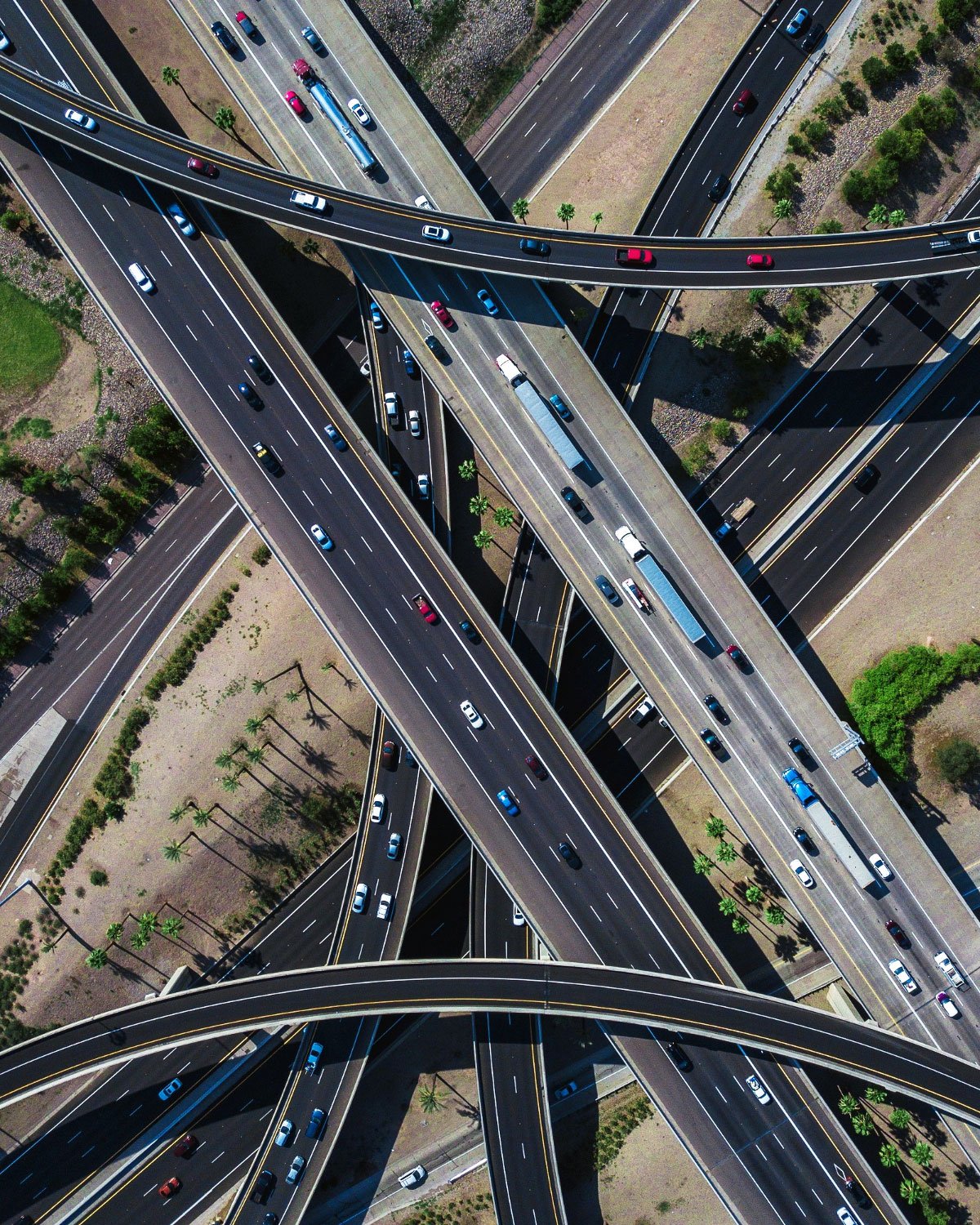
The future of infrastructure lies in integration rather than isolated development. Initiatives such as PM Gati Shakti promote coordinated planning between highways, railways, airports, ports, logistics parks, and industrial corridors. This integrated approach enables faster freight movement, reduces duplication of public investment, and creates a more efficient transportation ecosystem capable of supporting India’s long-term economic ambitions.
Such large-scale programmes require close collaboration between government agencies, engineering consultants, EPC contractors, and experienced road and highway contractors in Delhi and across India to deliver seamless infrastructure networks that support future economic growth.
BUILDING A BETTER CONNECTED INDIA
1. Enabling Smarter Cities
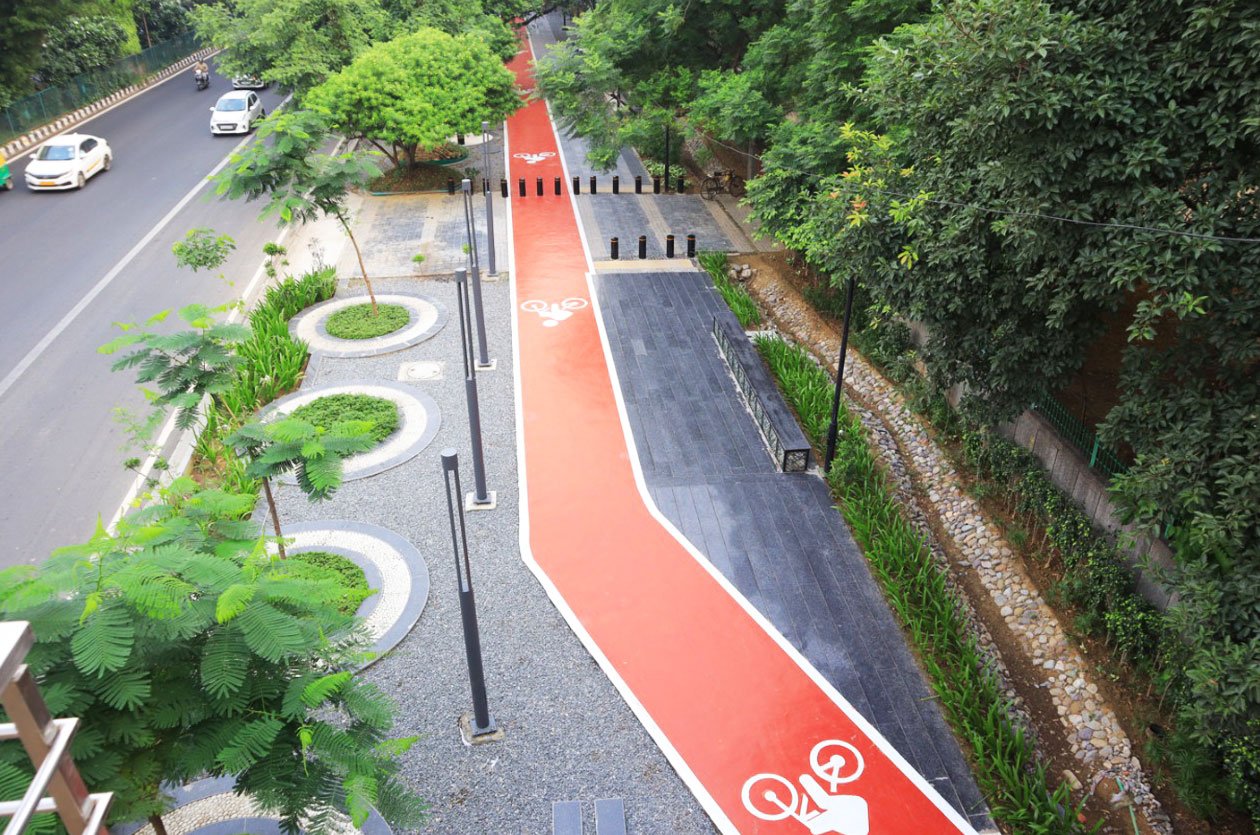
India’s urban population is expected to reach nearly 675 million by 2035, according to the United Nations. This rapid urbanisation is increasing the demand for infrastructure that goes beyond highways alone. Modern projects now integrate service roads, flyovers, drainage systems, pedestrian pathways, traffic management systems, and utility corridors to improve mobility while supporting sustainable urban expansion.
Efficient transport infrastructure also reduces traffic congestion, shortens commuting time, and improves access to commercial centres, educational institutions, healthcare facilities, and government offices. These integrated road construction and highway development initiatives improve urban productivity while creating safer and more connected cities.
2. Creating Long-Term Public Value
Infrastructure is one of the few public investments that continues generating value for decades. A well-designed highway strengthens supply chains, attracts industries, improves emergency response, supports tourism, and creates employment opportunities long after construction is completed. Every project becomes an asset that benefits businesses, communities, and future generations alike.
This long-term value is reflected in India’s continued investment in transport infrastructure. According to the Union Budget 2025-26, the Government has maintained a strong focus on capital expenditure to strengthen roads, railways, logistics, and urban infrastructure, recognising their role in sustaining economic growth and improving national competitiveness. This creates greater opportunities for every highway construction company in India involved in delivering modern public infrastructure.
3. Supporting India’s Growth Story
India aims to become a developed economy by 2047, and infrastructure will remain one of the key pillars supporting this vision. As manufacturing expands, exports increase, and logistics networks become more sophisticated, the demand for durable, efficient, and future-ready infrastructure will continue to grow. Every infrastructure company in India has an important role in delivering projects that not only meet present-day requirements but also support the country’s long-term development objectives.
The success of this transformation depends on engineering excellence, responsible execution, quality assurance, and the ability to deliver infrastructure that performs reliably throughout its lifecycle. Continuous investment in highway infrastructure, road development, and integrated transport networks will strengthen India’s position as one of the world’s fastest-growing economies while improving the quality of life for millions of people.
PHIPL’S COMMITMENT TO NATION BUILDING
As a trusted highway construction company in India, PHIPL is committed to delivering infrastructure that strengthens connectivity, improves mobility, and supports sustainable development. With extensive experience in executing public infrastructure projects, the company combines engineering expertise, modern construction practices, and rigorous quality standards to deliver reliable road construction projects for government and institutional clients.
As an established infrastructure company in India, PHIPL undertakes projects that contribute to safer transportation networks, stronger regional connectivity, and long-term public value. Its expertise across highways, roads, civil works, and public infrastructure enables the company to support national development through durable and efficient engineering solutions.
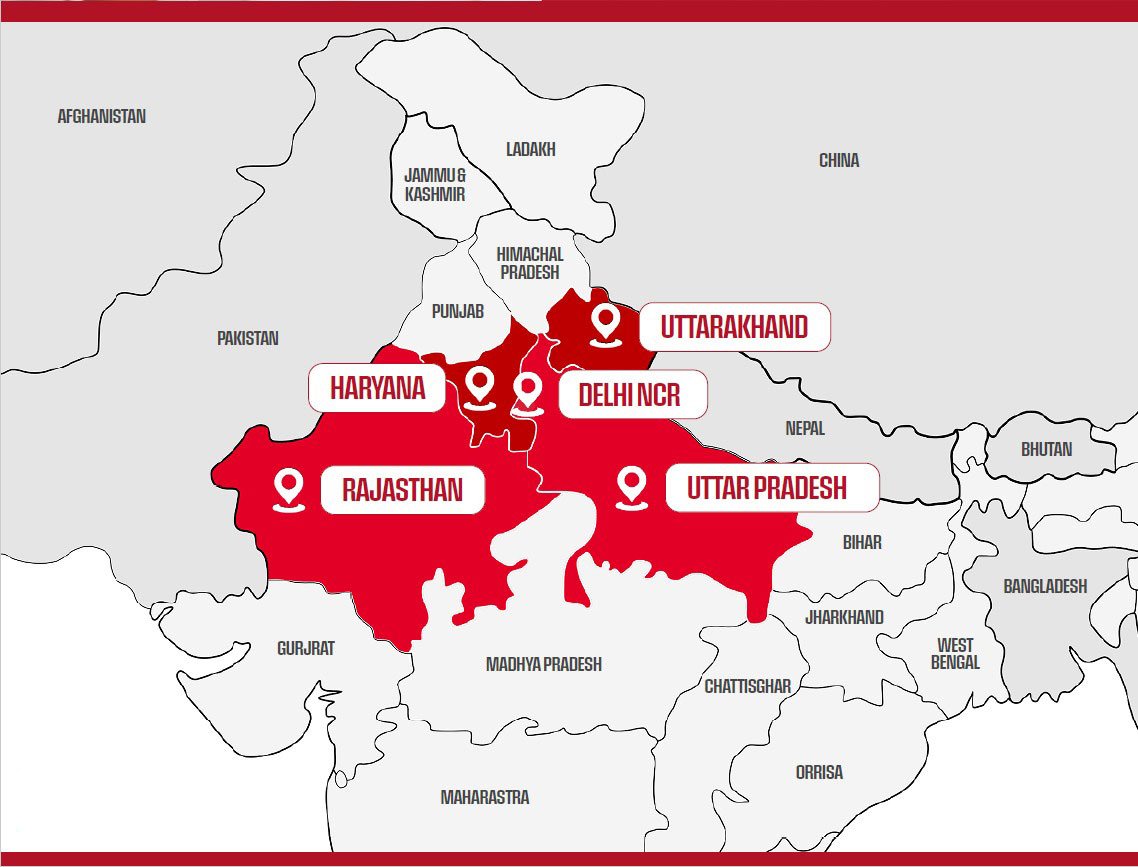
Working closely with government departments and institutional clients, PHIPL has also built its reputation among recognised road and highway contractors in Delhi by consistently delivering projects with a strong focus on quality, safety, innovation, and timely execution. Every project reflects the company’s commitment to engineering excellence, responsible infrastructure development, and sustainable construction practices.
As India continues expanding its transportation network through new expressways, economic corridors, smart cities, and public infrastructure initiatives, PHIPL remains dedicated to supporting this transformation. By delivering reliable infrastructure that connects people, empowers industries, and strengthens communities, the company continues to contribute towards building a more connected, resilient, and prosperous India.