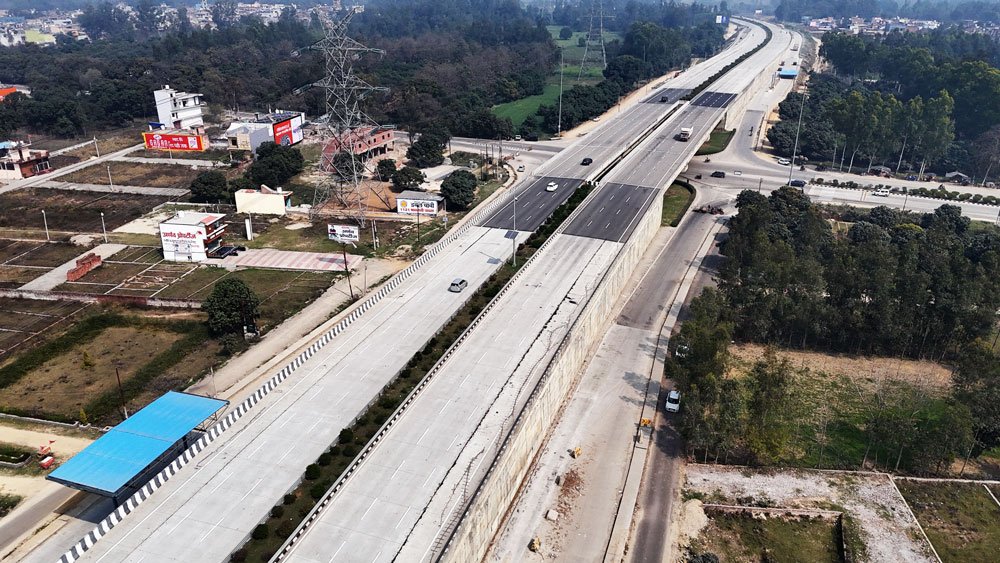
Large infrastructure projects are often judged by the number of excavators, pavers, cranes, or batching plants operating on site. While heavy machinery is essential for project execution, equipment alone does not define construction capability. Every successful highway, bridge, flyover, or civil infrastructure project depends on engineering expertise, construction plants, skilled manpower, quality systems, logistics, and planning working together as one integrated operation.
A highway project involves hundreds of interconnected activities. Earthwork begins only after surveying and setting out are completed. Embankment construction depends on approved soil testing, while pavement layers can proceed only after compaction requirements and laboratory results meet project specifications. Asphalt paving requires uninterrupted coordination between Hot Mix Plants, bitumen supply, tippers, pavers, rollers, survey engineers, quality laboratories, and traffic management teams. A delay in any one activity immediately affects the productivity of the entire construction chain.
This is why experienced government infrastructure contractors in India evaluate construction capacity by their ability to mobilise, coordinate, and manage resources efficiently throughout the project lifecycle rather than by equipment numbers alone.
1. EVERY MACHINE PERFORMS A CRITICAL FUNCTION
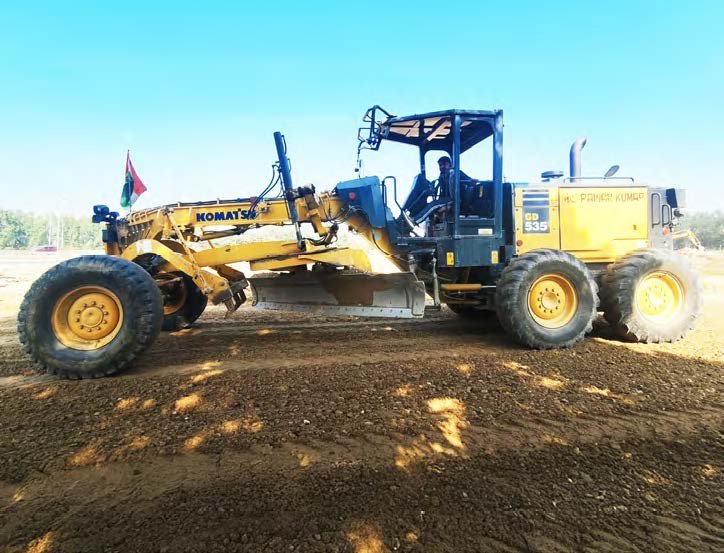
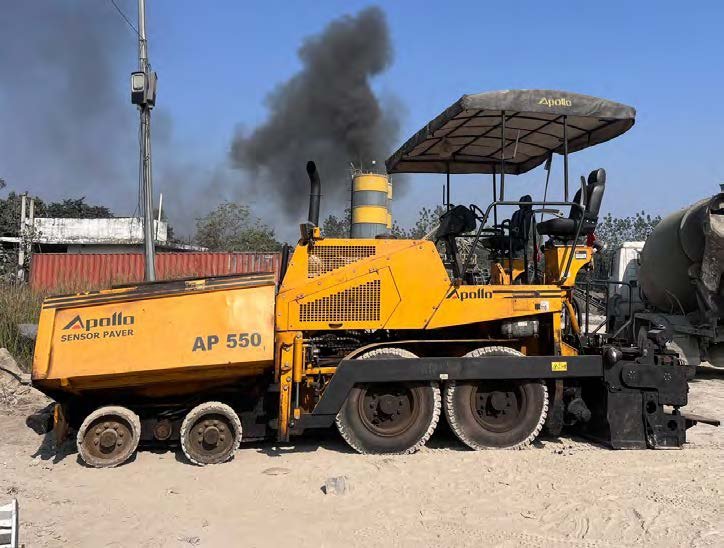
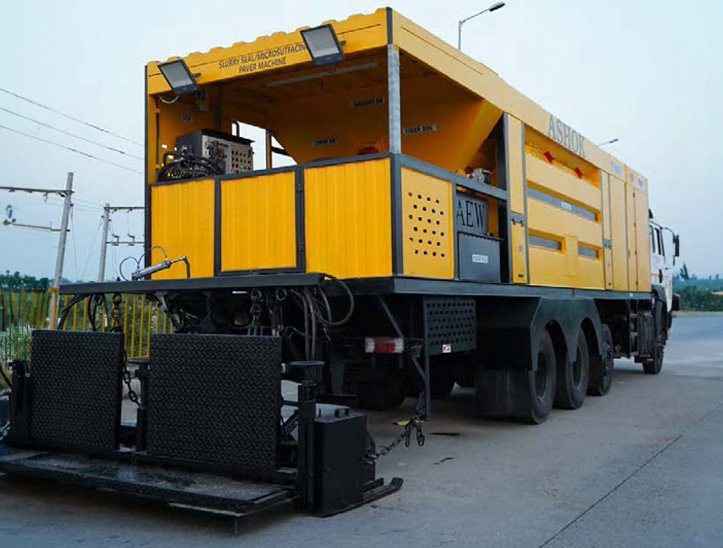
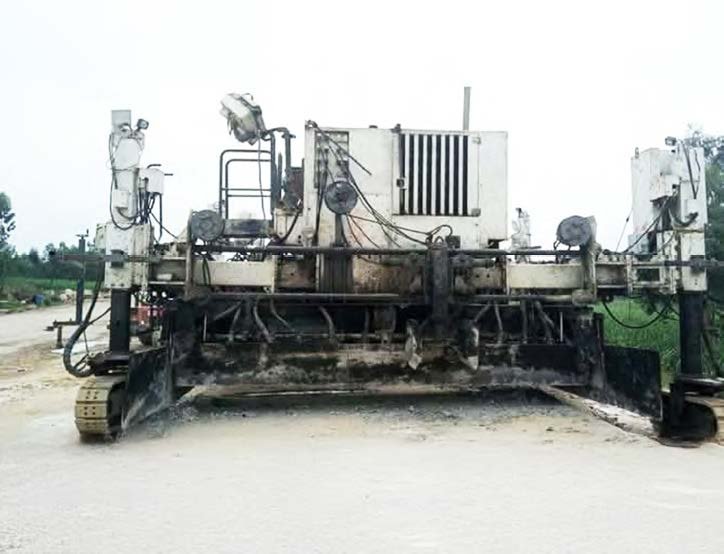
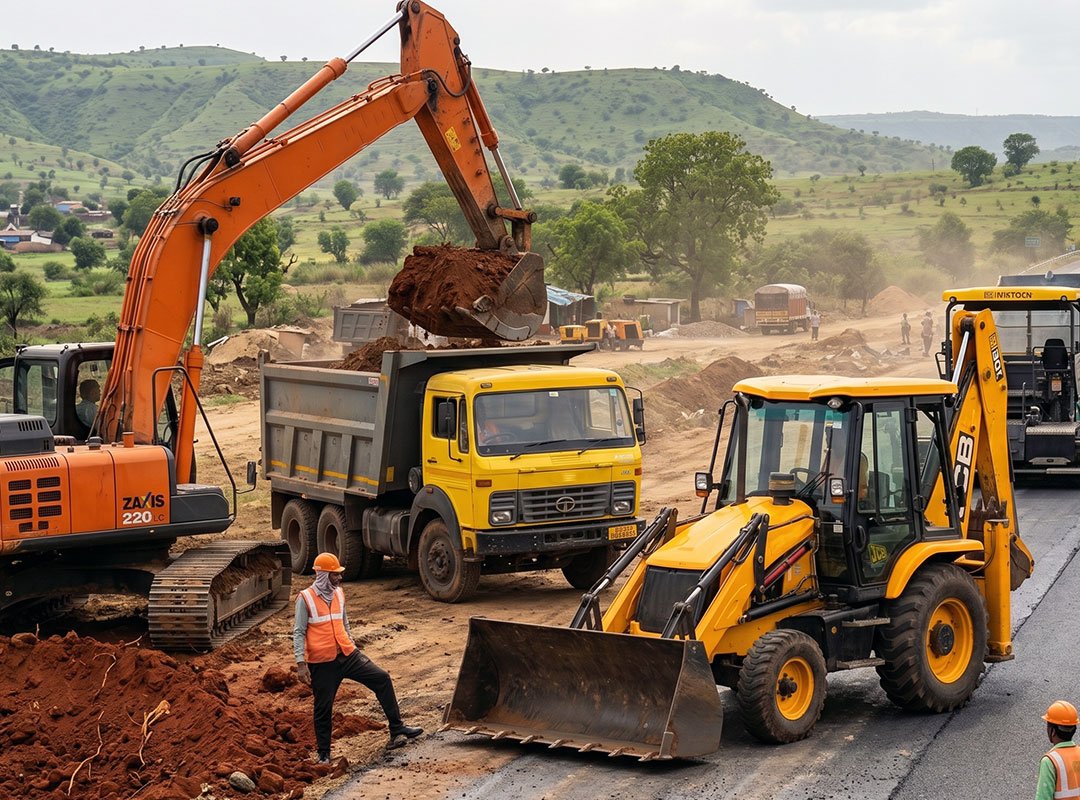
Modern highway construction depends on specialised machinery designed for different stages of execution. Hydraulic excavators undertake excavation, trenching, slope cutting, and material handling. Bulldozers support site clearance and embankment formation. Motor graders establish accurate road profiles before pavement construction, while vibratory rollers achieve the compaction required for stable pavement layers. Asphalt pavers lay bituminous mixes uniformly, and cranes support bridge construction, heavy lifting, and precast installations.
Each machine contributes to construction quality, but productivity depends on how well these resources operate together. An asphalt paver capable of laying 800 to 1,000 tonnes of bituminous mix during a productive shift can achieve this output only when Hot Mix Plants maintain continuous production, transport vehicles deliver material without interruption, rollers follow immediately behind paving operations, and survey teams continuously verify road alignment and levels. This level of synchronisation is what keeps highway construction moving efficiently.
For leading EPC civil contractors in Delhi, machinery represents one component of a much larger execution system that combines engineering, planning, logistics, and quality management.
2. FLEET AVAILABILITY MATTERS MORE THAN FLEET SIZE
Construction capacity is influenced more by equipment availability than by fleet size. Machines operating under demanding site conditions require regular servicing, preventive maintenance, equipment inspections, fuel management, and timely replacement of wear components to minimise breakdowns.
Industry studies consistently show that improving equipment utilisation contributes more to productivity than simply increasing the number of machines on site. A well-maintained fleet operating with minimal downtime helps maintain construction schedules, improves resource efficiency, and supports consistent project execution.
This is why recognised CPWD construction contractors in India invest not only in modern equipment but also in structured maintenance systems that maximise fleet reliability.
3. PRODUCTION CAPACITY SUPPORTS CONSTRUCTION CAPACITY
Heavy equipment can perform efficiently only when construction materials are available without interruption. Hot Mix Plants produce asphalt for flexible pavements, Wet Mix Macadam (WMM) Plants manufacture granular base materials, while Concrete Batching Plants deliver controlled concrete mixes for bridges, culverts, retaining walls, and structural works. Automated batching systems regulate aggregate proportions, bitumen content, cement, water, and admixtures, ensuring consistent material quality.
Asphalt production is particularly time-sensitive. Bituminous mixes are generally transported and laid at temperatures between 140°C and 160°C, depending on project specifications. Delays during transportation or paving can reduce workability, affect compaction, and influence pavement performance. For this reason, construction plants, transport logistics, paving equipment, and quality teams must function as one continuous production system to maintain uninterrupted execution.
4. ENGINEERING KEEPS EVERY OPERATION ON TRACK
Heavy equipment performs the physical work of construction, but engineering ensures every activity is executed accurately and in accordance with approved specifications. Before construction begins, survey engineers establish centre lines, benchmarks, and formation levels. During execution, they continuously verify gradients, pavement thickness, structural dimensions, and construction tolerances.
Even small deviations can affect long-term infrastructure performance. Incorrect road levels may lead to poor drainage, insufficient pavement thickness can reduce service life, and inaccurate alignment may require costly rework. To minimise these risks, modern highway projects utilise Total Stations, GNSS receivers, Auto Levels, GPS-enabled survey equipment, and drone mapping to improve measurement accuracy and verify completed work more efficiently.
For experienced EPC civil contractors in Delhi, engineering provides the precision that enables equipment and manpower to perform efficiently throughout the construction cycle.
5. TESTING BEGINS BEFORE CONSTRUCTION PROGRESSES
Quality infrastructure is built on verified data rather than visual inspection. Every major highway project depends on laboratory testing to confirm that materials satisfy project specifications before they are incorporated into the work.
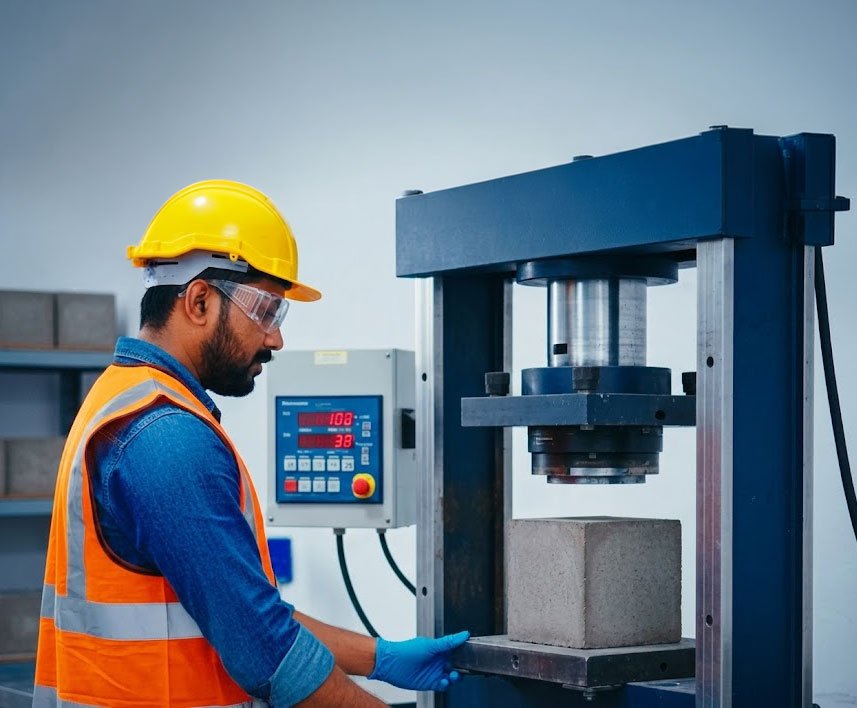
Aggregates are tested for grading, impact value, crushing strength, flakiness, and water absorption. Soil samples undergo Proctor Compaction and California Bearing Ratio (CBR) tests to evaluate their suitability for embankments and pavement layers. Concrete cubes are tested for compressive strength, while bituminous mixes are checked for binder content, density, stability, and flow characteristics.
Field verification also continues throughout execution through Field Density Tests (FDT), slump tests, reinforcement inspections, asphalt temperature monitoring, pavement thickness measurements, and core testing. Continuous testing enables engineers to detect deviations early, implement corrective measures, and maintain consistent construction quality.
For recognised CPWD construction contractors in India, laboratory testing is a critical part of project execution that improves durability and reduces future maintenance requirements.
6. EVERY DELIVERY INFLUENCES PRODUCTIVITY
Even the most advanced machinery remains idle if construction materials are unavailable. Highway projects require a continuous supply of aggregates, bitumen, cement, reinforcement steel, pipes, geotextiles, concrete, and other materials throughout execution.
Efficient logistics involves procurement planning, supplier coordination, transportation scheduling, inventory monitoring, and material testing. A disruption at any stage affects the entire construction sequence. For instance, if aggregate supply to a Wet Mix Macadam Plant stops, WMM production halts, delaying paving operations, roller deployment, and subsequent pavement layers. Similarly, interruptions in bitumen supply directly affect asphalt production despite equipment being ready for operation.
Strong supply chain management therefore contributes as much to construction productivity as machinery itself, making logistics a defining element of execution capability for government infrastructure contractors in India.
7. DIGITAL MONITORING SUPPORTS BETTER DECISIONS
Technology has become an essential part of modern infrastructure construction. Equipment utilisation, survey information, laboratory reports, fuel consumption, and construction progress are monitored continuously to support timely engineering decisions.
Tools such as Building Information Modelling (BIM), GPS machine control, drone surveys, telematics, and digital project monitoring systems improve planning accuracy, optimise equipment deployment, reduce idle time, and enable faster identification of site issues. Equipment telematics also records engine hours, fuel consumption, maintenance schedules, and idle time, helping project teams improve fleet utilisation and reduce operating costs.
By combining engineering expertise with digital monitoring, experienced EPC civil contractors in Delhi improve productivity while maintaining quality and execution standards.
8. MANAGING MULTIPLE PROJECTS SIMULTANEOUSLY
One of the strongest indicators of construction capability is the ability to execute multiple infrastructure projects simultaneously without compromising quality or project schedules. This requires much more than additional machinery. Independent engineering teams, quality professionals, survey crews, equipment operators, procurement specialists, logistics coordinators, and project managers must work together while remaining connected through a central planning and monitoring system.
Standard Operating Procedures (SOPs), preventive maintenance schedules, engineering checklists, inspection protocols, and digital reporting systems help maintain consistent execution standards across different project locations. This structured approach enables organisations to deploy resources efficiently while maintaining quality, safety, and technical compliance throughout every stage of construction.
For leading government infrastructure contractors in India, the ability to execute projects across multiple locations reflects operational maturity, disciplined planning, and a robust execution framework.
9. EVERY RESOURCE MUST DELIVER VALUE
Construction capacity is ultimately measured by completed work that meets engineering specifications within approved timelines. Excavators, graders, pavers, rollers, batching plants, laboratories, engineering teams, and logistics systems create value only when they operate as one coordinated execution network.
Industry experience consistently shows that idle equipment, material shortages, poor planning, and inadequate coordination reduce productivity far more than limited machinery. Organisations that optimise equipment utilisation, maintain reliable supply chains, and integrate engineering with construction activities achieve better operational efficiency and more consistent project delivery.
For recognised CPWD construction contractors in India, productivity is reflected not by the number of machines deployed but by the ability to maintain continuous progress while meeting stringent quality standards.
10. PAWAN HIGHWAYS INDIA PVT. LTD. (PHIPL)’S INFRASTRUCTURE STRENGTH
At Pawan Highways India Pvt. Ltd. (PHIPL), construction capacity is built on an integrated execution model that combines engineering expertise, specialised machinery, construction plants, quality laboratories, skilled professionals, and structured project management systems. Every project is supported by planned resource mobilisation, preventive equipment maintenance, engineering supervision, laboratory testing, and continuous quality monitoring to ensure reliable execution from mobilisation through project completion.
As a trusted government infrastructure contractor in India, PHIPL has developed the capability to efficiently deploy equipment, engineering teams, construction plants, and supporting resources across highways, bridges, roads, drainage systems, and other public infrastructure projects. This integrated approach enables the company to maintain high standards of safety, technical compliance, productivity, and construction quality while adapting to varying site conditions.
Recognised among experienced CPWD construction contractors in India, PHIPL combines modern machinery with disciplined engineering practices, advanced surveying equipment, quality assurance systems, and systematic project monitoring to deliver infrastructure in accordance with approved specifications and client expectations.
As an established EPC civil contractor in Delhi, PHIPL believes that construction capacity is defined not by the number of machines on a project site but by the ability to transform engineering expertise, equipment, technology, and skilled manpower into successful project execution. By integrating these capabilities into every assignment, the company continues to deliver durable infrastructure that supports long-term performance and creates lasting value for clients and the communities it serves.