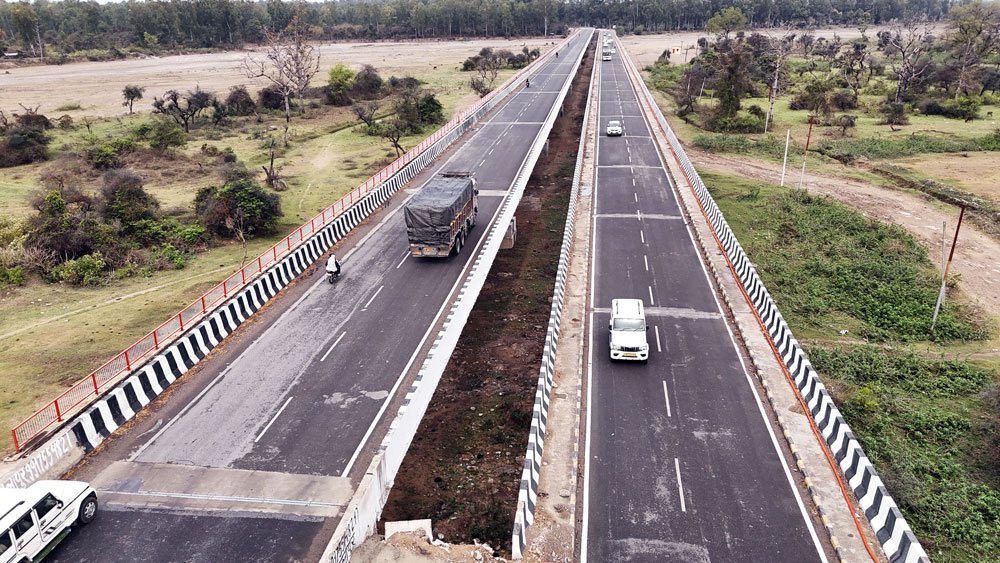
Public infrastructure is more than concrete, steel, and asphalt. Every road, highway, bridge, drainage system, and public utility becomes part of people’s daily lives, supporting mobility, economic activity, emergency response, and community development. Unlike private developments that serve a limited group of users, public infrastructure supports entire communities for decades. Every project therefore carries a responsibility that extends far beyond construction.
Responsible infrastructure begins long before equipment arrives on site. Every engineering decision, technical specification, material selection, and construction methodology influences how safely and efficiently an asset will perform throughout its lifecycle. Once public infrastructure is commissioned, correcting avoidable mistakes often requires significant time, cost, and disruption. This is why responsible engineering focuses on getting every stage right from the beginning rather than relying on corrective measures later.
For every road development company in India, public confidence is earned through disciplined execution, transparency, and engineering excellence. Infrastructure is not judged only by how quickly it is delivered but by how reliably it performs over many years.
RESPONSIBILITY BEGINS WITH EVERY DECISION
1. Engineering Is About Long-Term Thinking
Every infrastructure project is shaped by thousands of engineering decisions. Some may appear routine during construction but have a lasting influence on durability, safety, and lifecycle performance. Decisions involving pavement composition, drainage gradients, soil stabilisation, structural detailing, material quality, and traffic management determine whether an asset continues performing efficiently for decades or begins deteriorating prematurely.
Unlike many built assets that can be upgraded or replaced relatively easily, highways, bridges, and major public infrastructure are designed for long service lives. Flexible highway pavements are commonly designed for a service life of around 15 to 20 years before major rehabilitation, while many bridge structures are engineered to remain operational for 100 years or more when properly maintained. This makes lifecycle thinking one of the most important responsibilities in civil engineering and project execution.
2. Every Detail Matters
Infrastructure rarely fails because of one major error. More often, long-term issues develop from a series of small oversights during planning, execution, supervision, or quality assurance. Inadequate drainage can weaken pavement layers, improper compaction may reduce structural stability, and inconsistent material quality can affect long-term durability. Each stage influences the next, making attention to detail essential throughout construction.
This is why experienced engineering teams place equal importance on planning, constructability, execution, quality assurance (QA), quality control (QC), inspection, and documentation. For an established civil construction company in Delhi, maintaining consistency across every activity helps ensure that infrastructure performs as intended while complying with technical specifications and engineering governance standards.
ACCOUNTABILITY GOES BEYOND CONSTRUCTION
1. Public Projects Demand Greater Responsibility
Public infrastructure is created using public investment and is expected to deliver value for generations. Every completed highway, bridge, drainage system, or urban road becomes a public asset that communities depend upon every day. This creates a level of accountability that extends well beyond contractual obligations or project milestones.
Responsible project execution requires efficient planning, transparent decision-making, responsible resource utilisation, and strict adherence to approved engineering standards. These principles help ensure that infrastructure remains safe, durable, and reliable throughout its service life while delivering the value expected from public investment.
2. Compliance Builds Confidence
Every public infrastructure project is executed within clearly defined technical, contractual, and regulatory frameworks. Compliance with approved drawings, IRC guidelines, MoRTH specifications, environmental regulations, workplace safety requirements, and project quality procedures ensures consistency throughout execution.
Strong technical compliance reduces project risks, improves coordination among stakeholders, and strengthens confidence among clients and government agencies. For government approved highway contractors in India, maintaining compliance is not simply about meeting contractual requirements. It is a commitment to delivering infrastructure that consistently meets nationally recognised engineering standards.
3. Building Assets, Not Just Projects
Construction activities conclude when a project is handed over, but infrastructure continues serving people every day for many years afterwards. Roads carry increasing traffic volumes, bridges withstand changing environmental conditions, and public infrastructure supports economic and social activity throughout its operational life.
Every road development company in India therefore carries the responsibility of balancing engineering excellence with long-term asset performance. Successful organisations focus not on completing projects quickly but on creating infrastructure that continues delivering value through durability, reliability, and efficient lifecycle performance.
QUALITY IS BUILT, NOT INSPECTED
1. Quality Begins Before Construction
One of the biggest misconceptions in infrastructure development is that quality can be verified only after construction is complete. In reality, quality is established much earlier through careful planning, engineering analysis, and disciplined project execution. Site investigations, geotechnical studies, engineering drawings, constructability reviews, material selection, and execution planning collectively determine how efficiently a project will perform throughout its service life.
Strong planning also reduces uncertainty during execution. Identifying ground conditions, utility conflicts, environmental constraints, and traffic management requirements in advance enables project teams to minimise disruptions and improve coordination. For an experienced civil construction company in Delhi, quality is not a final checkpoint but a continuous process that begins before the first layer of construction is placed.
2. Consistency Creates Reliability
Infrastructure is expected to perform under continuous traffic loads, varying weather conditions, and decades of daily use. Achieving this level of reliability depends on maintaining consistent standards throughout every stage of construction rather than relying on isolated inspections.
Material testing, laboratory verification, field density testing, concrete strength evaluation, pavement layer inspections, surveying, and continuous engineering supervision all contribute to quality assurance. Maintaining this consistency reduces defects, strengthens asset durability, and improves long-term performance while lowering future maintenance requirements.
For government approved highway contractors in India, quality is measured not only by successful project completion but by how reliably infrastructure continues performing throughout its intended design life.
3. Thinking Beyond Construction Costs
Responsible infrastructure is evaluated over its entire lifecycle rather than its initial construction cost alone. Engineering decisions made during planning and execution influence maintenance requirements, rehabilitation costs, operational efficiency, and asset durability for many years after project completion.
Organisations that adopt a lifecycle approach prioritise durable materials, effective drainage systems, accurate construction practices, and robust quality control because these decisions reduce long-term expenditure while improving public asset performance. This philosophy reflects responsible engineering rather than short-term cost optimisation.
MANAGING RISKS BEFORE THEY BECOME PROBLEMS
1. Prevention Is Better Than Correction
Every infrastructure project presents unique challenges. Underground utilities, changing soil conditions, traffic movement, environmental considerations, and weather variations can all influence execution. Waiting until these challenges become visible often results in delays, cost escalation, and unnecessary disruption.
Responsible project execution focuses on identifying potential risks before construction begins. Site assessments, engineering reviews, construction sequencing, utility coordination, and contingency planning allow project teams to make informed decisions while reducing uncertainty throughout execution.
Every road development company in India that adopts proactive risk management improves project efficiency while protecting the long-term performance of public infrastructure.
2. Engineering Is Also About Managing Uncertainty
Engineering is not simply about following drawings and technical specifications. It also requires informed judgement when site conditions differ from expectations. Unexpected ground conditions, utility conflicts, design refinements, or operational constraints often require practical engineering decisions while ensuring quality and compliance remain uncompromised.
Experienced teams evaluate alternatives quickly, coordinate effectively with stakeholders, and maintain project progress without sacrificing engineering standards. This ability to manage uncertainty responsibly reflects technical maturity and disciplined project execution rather than simply construction capability.
COLLABORATION CREATES BETTER INFRASTRUCTURE
1. Successful Projects Require Many Stakeholders
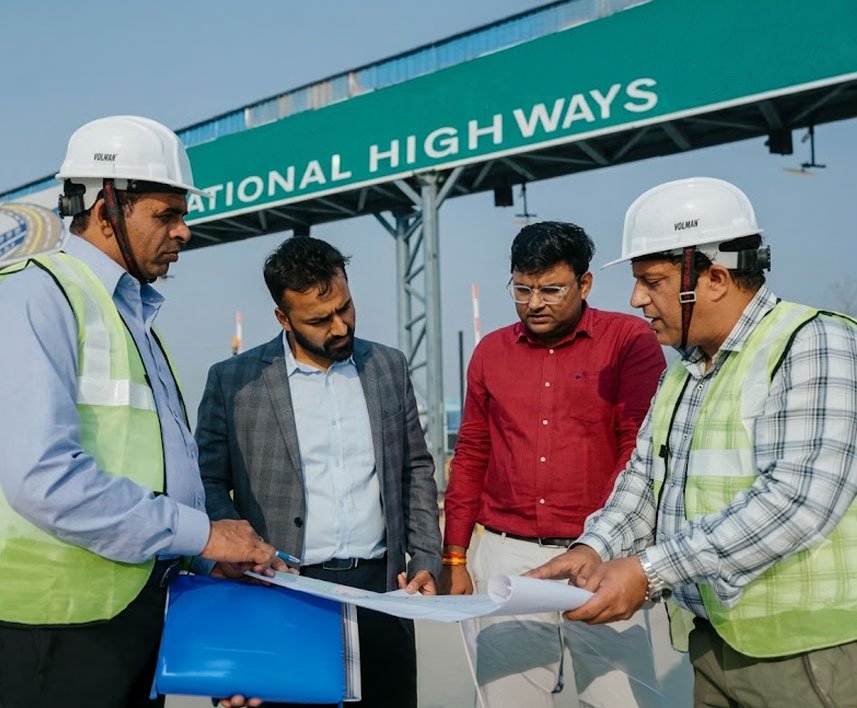
Delivering public infrastructure requires coordinated efforts between clients, consultants, engineers, contractors, quality specialists, utility agencies, suppliers, and regulatory authorities. Each participant contributes specialised expertise that supports successful project execution.
Clear communication, structured coordination, and timely decision-making help resolve technical challenges efficiently while ensuring projects remain aligned with approved specifications. Strong collaboration also improves transparency, reduces delays, and strengthens overall project governance.
2. Shared Responsibility Delivers Better Results
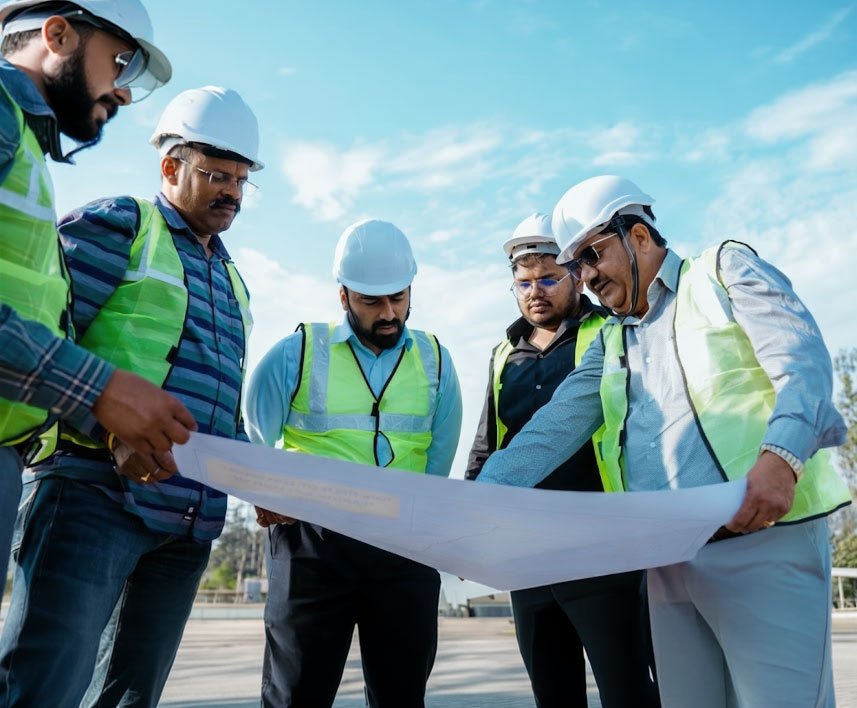
Building public infrastructure requires every stakeholder to understand their responsibilities and contribute towards a common objective. Engineers focus on technical accuracy, consultants provide design oversight, quality teams verify compliance, while execution teams ensure construction meets approved engineering standards.
For an established civil construction company in Delhi, collaboration extends far beyond meetings and documentation. It continues throughout planning, project execution, quality assurance, safety management, technical compliance, and final handover. This integrated approach delivers infrastructure that is stronger, safer, and more dependable for the communities it serves.
EXPERIENCE BUILDS BETTER DECISIONS
1. Experience Reduces Uncertainty
Technical knowledge provides the foundation for infrastructure development, but practical experience strengthens decision-making during execution. Every completed project helps engineering teams better anticipate construction challenges, improve resource planning, optimise execution strategies, and strengthen quality management.
Experienced organisations recognise potential issues earlier, coordinate more effectively with stakeholders, and respond confidently to changing site conditions without compromising engineering excellence. This ability enables government approved highway contractors in India to consistently deliver infrastructure that meets demanding quality standards while maintaining accountability throughout the project lifecycle.
BUILDING TRUST THROUGH RESPONSIBLE EXECUTION
1. Trust Is Earned Through Performance
Public infrastructure becomes part of everyday life. People may never know who designed or constructed a highway, bridge, or public road, but they experience its quality every time they use it. Smooth pavements, effective drainage, durable structures, and safe road geometry are all outcomes of responsible engineering and disciplined project execution. Over time, these outcomes build confidence among clients, government agencies, and the communities that depend on the infrastructure.
Trust is not established through a single successful project. It is earned through consistent delivery, technical competence, transparent execution, and infrastructure that continues performing throughout its intended service life. Organisations that maintain high engineering standards across every project demonstrate their capabilities through performance rather than promises.
2. Responsibility Continues Beyond Project Completion
Completing construction is not the end of responsibility. Once an infrastructure asset is commissioned, it must continue performing under changing traffic volumes, environmental conditions, and operational demands for many years. Decisions taken during planning, engineering, quality assurance, and execution directly influence maintenance requirements, lifecycle costs, operational efficiency, and user safety long after the project team has left the site.
Responsible organisations therefore evaluate every decision from a long-term perspective. Engineering success is measured not only by project completion but by how efficiently the infrastructure performs throughout its operational lifecycle.
A CULTURE OF CONTINUOUS IMPROVEMENT
1. Learning Strengthens Every Project
Every completed project provides valuable knowledge that strengthens future execution. Improvements in engineering practices, construction methodologies, project management systems, and quality procedures enable organisations to deliver infrastructure more efficiently while maintaining high technical standards.
Continuous improvement also includes investing in people. Regular technical training, stronger safety practices, updated quality systems, and improved engineering processes help teams remain aligned with evolving industry requirements and client expectations. This commitment enables every road development company in India to continuously improve execution capabilities while delivering greater value through responsible infrastructure development.
2. Compliance and Governance Drive Excellence
Engineering excellence is supported by strong governance. Responsible organisations establish systematic processes for technical compliance, quality documentation, regulatory approvals, safety monitoring, environmental management, and project reporting throughout execution.
Maintaining compliance with IRC guidelines, MoRTH specifications, contractual requirements, and statutory regulations strengthens consistency across every stage of project delivery. For experienced government approved highway contractors in India, engineering governance is not simply an administrative function. It is an essential part of delivering reliable, safe, and durable public infrastructure.
3. Building with Purpose
Responsible infrastructure development is guided by purpose rather than project completion alone. Every highway, bridge, drainage network, retaining structure, and civil asset contributes towards improving connectivity, supporting development, and enhancing public safety. Understanding this larger purpose enables engineering teams to prioritise accountability, technical excellence, and long-term asset performance throughout every stage of execution.
PAWAN HIGHWAYS INDIA PVT. LTD. (PHIPL)’S COMMITMENT TO RESPONSIBLE INFRASTRUCTURE
At Pawan Highways India Pvt. Ltd. (PHIPL), every project is approached with the understanding that public infrastructure is a long-term public asset. This philosophy influences every stage of planning, engineering, project execution, quality assurance, technical compliance, and final delivery. Rather than viewing construction as the completion of physical works, PHIPL focuses on creating durable infrastructure that continues delivering value throughout its operational life.
As a trusted road development company in India, PHIPL combines engineering expertise with systematic planning, disciplined execution, rigorous quality management, and strong engineering governance to deliver reliable infrastructure solutions. Every project is guided by responsible resource utilisation, transparent execution, regulatory compliance, and an uncompromising commitment to quality.
With extensive experience as a civil construction company in Delhi, PHIPL works closely with government departments, consultants, engineers, and project stakeholders to execute highways, roads, bridges, and civil infrastructure that meet demanding technical specifications. Strong coordination, structured project management, and consistent quality assurance enable the company to deliver projects with reliability, efficiency, and accountability.
Recognised among experienced government approved highway contractors in India, PHIPL believes successful infrastructure is measured not only by what is built but by how responsibly it is delivered. Every project reflects the company’s commitment to engineering excellence, workplace safety, environmental responsibility, technical compliance, and continuous improvement while creating infrastructure that serves communities for generations.
As infrastructure requirements continue to evolve, PHIPL remains committed to delivering projects that strengthen connectivity, support sustainable development, and create lasting public value. By combining experience, accountability, innovation, and responsible execution, the company continues to contribute towards infrastructure that earns the confidence of clients, government agencies, and the communities it serves.