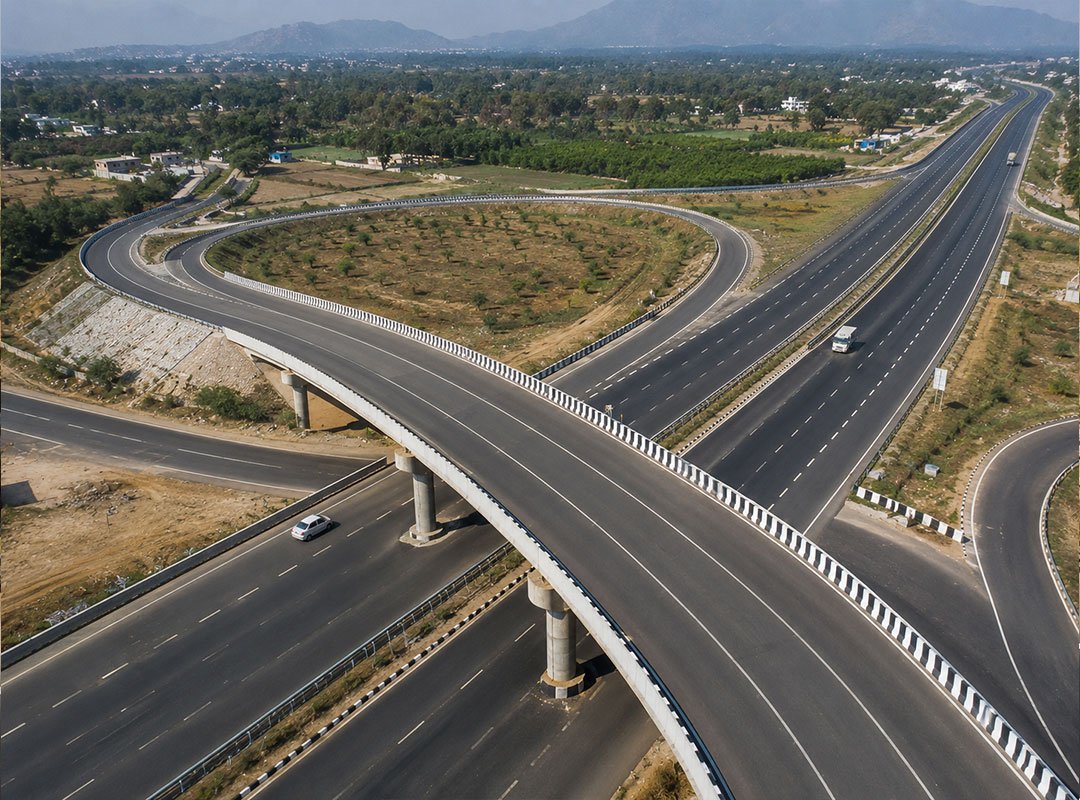

India’s infrastructure landscape has evolved rapidly over the past decade, with highways emerging as one of the most critical drivers of economic growth. Today, highway construction in India is no longer just about building roads, it is about enabling connectivity, improving logistics efficiency, and supporting long-term national development. With large-scale initiatives led by institutions such as the Ministry of Road Transport and Highways and the National Highways Authority of India, the country has significantly increased the pace of highway development. Projects are being executed faster, corridors are expanding, and previously underserved regions are becoming more accessible.
However, behind this accelerated progress lies a crucial operational focus: ensuring that speed of execution is matched by consistent adherence to road construction quality standards. For companies actively involved in infrastructure development in India, this balance is not optional, it defines the success and longevity of every project delivered.
1. The Shift Toward Faster Highway Development
The push for faster execution in highway construction is driven by clear economic and logistical priorities. As trade volumes increase and supply chains become more time-sensitive, the need for efficient road networks has grown substantially. Faster highways reduce travel time, lower fuel consumption, and improve connectivity between industrial and consumption centers. This demand has led to significant improvements in how projects are planned and executed. Approval processes have become more streamlined, contract models have evolved to support quicker mobilization, and the use of modern equipment has improved on-site efficiency. As a result, the pace of highway construction in India has increased noticeably, enabling large-scale infrastructure delivery within tighter timelines. At the same time, faster execution has placed greater emphasis on discipline in planning and execution. Speed without structure can lead to inefficiencies, while well-managed speed enhances both productivity and outcomes.
2. What Execution Quality Really Means on Ground
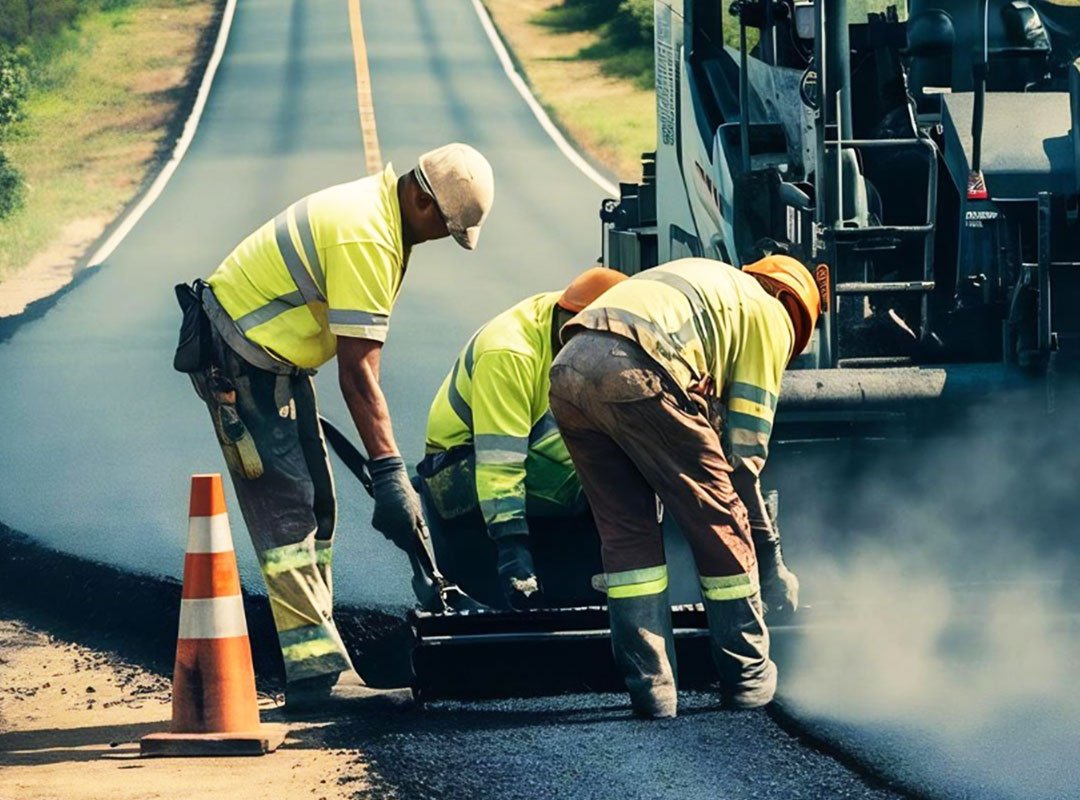
Execution quality in highway construction is often misunderstood as just surface finish or visual appearance. In reality, it is a much deeper and more technical aspect of project delivery that determines how a road performs over time. Every layer of a highway—from the subgrade to the final surface—must be constructed with precision. The quality of materials used, the accuracy of design implementation, and the consistency of construction processes all contribute to the overall durability of the road. Even small deviations in compaction, temperature, or layer thickness can affect long-term performance. This is why adherence to established road construction quality standards is critical. These standards are designed to ensure that highways can withstand traffic loads, environmental conditions, and long-term usage without frequent deterioration.
From proper drainage systems to stable foundations, execution quality is about building infrastructure that performs reliably for years, not just immediately after completion.
3. Speed and Quality Are Not Opposites
There is a common assumption that faster construction may compromise quality. In practice, this is not necessarily true. When projects are planned and executed correctly, speed and quality can complement each other. Efficient project planning allows teams to anticipate challenges and allocate resources effectively. The use of advanced machinery ensures consistent output, while standardized processes reduce variability in execution. When multiple activities are coordinated properly, projects can progress faster without compromising on technical standards. In modern infrastructure development in India, speed is increasingly becoming a result of better systems rather than shortcuts. Well-organized execution reduces rework, minimizes delays, and ultimately improves both timelines and quality outcomes.
4. The Role of Quality Frameworks and Oversight
India’s highway construction ecosystem operates within a structured framework designed to maintain consistency and accountability. Agencies such as the National Highways Authority of India have established multi-level monitoring systems to ensure compliance with specifications. Quality control begins at the contractor level, where on-site teams conduct regular testing of materials and processes. This is followed by oversight from independent engineers who verify compliance with project requirements. Additional audits and inspections by authorities provide another layer of monitoring. These systems are supported by detailed testing protocols that cover every stage of construction, from material selection to final pavement checks. Increasingly, digital tools such as GPS tracking, drone surveys, and real-time reporting are being used to enhance transparency and improve decision-making. The presence of these frameworks ensures that adherence to road construction quality standards is consistently maintained across projects.
5. On-Ground Realities: Managing Complexity Across India
Executing highway projects in India involves working across a wide range of geographical and environmental conditions. From plains and urban regions to mountainous terrain and coastal areas, each project presents unique challenges. Weather plays a significant role, particularly during monsoon seasons when construction schedules must be adjusted. Soil conditions vary widely, requiring different engineering approaches. In remote areas, logistical challenges such as material transportation and workforce mobilization add further complexity. In addition to technical factors, projects often require coordination with multiple stakeholders, including local authorities, utility providers, and surrounding communities. Effective communication and planning are essential to ensure smooth execution. These on-ground realities highlight the importance of experience and adaptability in highway construction in India. Successful project delivery depends on the ability to manage these variables while maintaining both speed and quality.
6. Technology as a Key Enabler
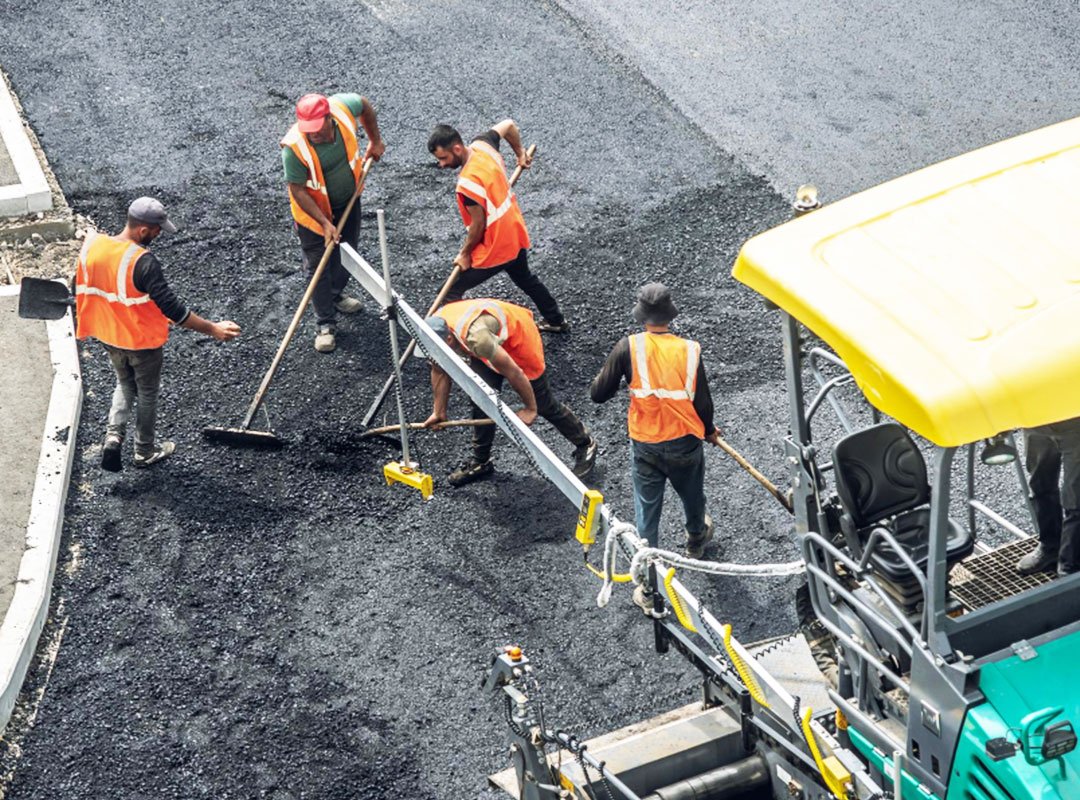
Technology has become a critical factor in achieving high-quality outcomes within tight timelines. Modern highway construction increasingly relies on advanced equipment and digital systems to improve efficiency and accuracy. Automated paving machines help maintain uniform surface quality, while intelligent compaction systems provide real-time feedback to ensure proper density. Materials such as Warm Mix Asphalt have improved workability and reduced environmental impact. Project management software allows teams to monitor progress, track resources, and maintain documentation more effectively. These tools not only improve execution speed but also ensure better compliance with road construction quality standards. As technology continues to evolve, it is expected to play an even greater role in shaping the future of infrastructure development in India.
7. The Importance of Skilled Workforce
Despite advancements in technology, the success of any highway project ultimately depends on the people executing it. Skilled engineers, trained operators, and experienced supervisors form the backbone of quality construction. A well-trained workforce ensures that processes are followed correctly, equipment is used efficiently, and potential issues are identified early. Continuous training and upskilling are essential to keep pace with evolving standards and technologies. Effective site management further strengthens execution by ensuring clear communication, defined responsibilities, and consistent supervision. When teams are aligned and well-coordinated, both speed and quality can be achieved without compromise.
8. Building with a Long-Term Perspective
Modern highway construction increasingly focuses on lifecycle performance rather than just initial delivery. This approach considers how a road will perform over time, taking into account factors such as traffic load, climate conditions, and maintenance requirements. By selecting durable materials, designing for long-term use, and planning preventive maintenance, projects can achieve better outcomes in terms of cost and performance. This perspective aligns with the broader goals of sustainable infrastructure development in India. Highways built with a lifecycle approach not only last longer but also provide a better experience for users and lower overall maintenance costs.
9. Our Approach: How PHIPL Delivers Speed with Quality
As a company engaged in highway construction in India, PHIPL recognizes that delivering infrastructure requires a balanced and disciplined approach. Speed and quality are not separate objectives—they are interconnected outcomes of effective planning and execution. Our process begins with detailed project planning, ensuring that all aspects of design, materials, and logistics are aligned before construction begins. During execution, we maintain strict adherence to road construction quality standards, supported by continuous testing and monitoring. We integrate modern technology into our operations to improve efficiency and accuracy, while our skilled workforce ensures that every stage of construction is executed with precision. Regular audits and real-time tracking enable us to maintain consistency and address challenges proactively.
Our focus remains on delivering projects that are completed on time, perform reliably, and contribute to long-term infrastructure growth.
India’s progress in highway development reflects a strong commitment to building a connected and efficient nation. The increasing pace of highway construction in India demonstrates the sector’s ability to deliver large-scale infrastructure at speed. At the same time, maintaining strict adherence to road construction quality standards is essential to ensure that these assets deliver long-term value. Speed and quality are not competing priorities—they are complementary elements of successful project execution. With the right combination of planning, technology, skilled workforce, and quality systems, it is possible to achieve both. As the sector continues to evolve, the focus remains clear: building infrastructure that is efficient, durable, and capable of supporting India’s future growth.