Road infrastructure has always been one of the strongest foundations of economic growth. Across developing and developed economies alike, regions connected through reliable transportation networks consistently outperform isolated areas in trade, employment, industrial development, healthcare access, and social mobility. In India, where nearly 65% of the population still resides in rural areas, the role of roads becomes even more critical. A well-constructed road is not merely a transport corridor; it is an economic catalyst that connects people to opportunities, markets, services, and growth. This is why Road Infrastructure Development in India remains central to long-term national progress.
Over the past two decades, India has invested heavily in road and highway development through programs such as Bharatmala Pariyojana, the Pradhan Mantri Gram Sadak Yojana (PMGSY), state highway expansion projects, industrial corridors, and expressway networks. These developments have transformed regional economies by reducing travel time, lowering logistics costs, increasing land value, enabling industrialization, and improving overall quality of life. The growing focus on Rural Connectivity and Economic Growth has further accelerated development in previously underserved regions.
From small village roads that help farmers access nearby markets to multi-lane national highways that connect major economic zones, road infrastructure plays a direct role in shaping local economies. Every kilometre of road built creates both immediate and long-term economic impact. Construction activity generates employment in the short term, while improved connectivity drives sustained business growth, investment, and regional development over time. The Impact of Highways on Local Economies is clearly visible in regions witnessing industrial and commercial expansion after highway connectivity improvements.
For infrastructure companies like Pawan Highways India Pvt. Ltd. (PHIPL), road construction is not simply about engineering structures. It is about building the physical backbone of economic transformation. Every highway, bypass, bridge, and rural road contributes to stronger local economies and supports the nation’s broader development goals through strategic Road Infrastructure Development in India.
1. Improved Market Access Strengthens Rural Economies
One of the most immediate impacts of better roads is improved access to markets. In many rural regions, farmers and small producers face major transportation challenges due to poor road conditions. Delays in reaching mandis, urban markets, or processing units often lead to spoilage, lower prices, and limited bargaining power. Better roads reduce travel time and transportation costs, allowing producers to move goods faster and more efficiently. Stronger Rural Connectivity and Economic Growth directly improve agricultural productivity and rural income generation.
When villages are connected to state highways and national corridors, agricultural products can reach larger markets without delays. This increases income opportunities for farmers and encourages diversification into high-value crops such as fruits, vegetables, dairy, poultry, and floriculture. Better logistics also support cold-chain operations, warehousing, and food processing industries, which further strengthen local economies. Improved road connectivity enables rural businesses to expand beyond local demand and participate in regional and national supply chains.
2. Reduced Logistics Costs Encourage Industrial Growth
Transportation costs form a major component of industrial and commercial operations. Poor road infrastructure increases fuel consumption, vehicle maintenance expenses, transit delays, and inventory holding costs. Businesses are less likely to invest in regions where transportation networks are unreliable. High-quality roads and highways solve these challenges by improving freight movement and operational efficiency. This highlights the direct Impact of Highways on Local Economies through improved industrial competitiveness.
Industrial development often follows transportation infrastructure. Areas connected through highways become attractive locations for manufacturing plants, warehouses, logistics parks, and distribution centres. Businesses prefer regions where raw materials and finished goods can move quickly and predictably. Reduced logistics costs improve competitiveness and encourage both domestic and foreign investment. Better roads also help small and medium enterprises access wider markets, improving local entrepreneurship and employment generation.
3. Road Construction Creates Large-Scale Employment
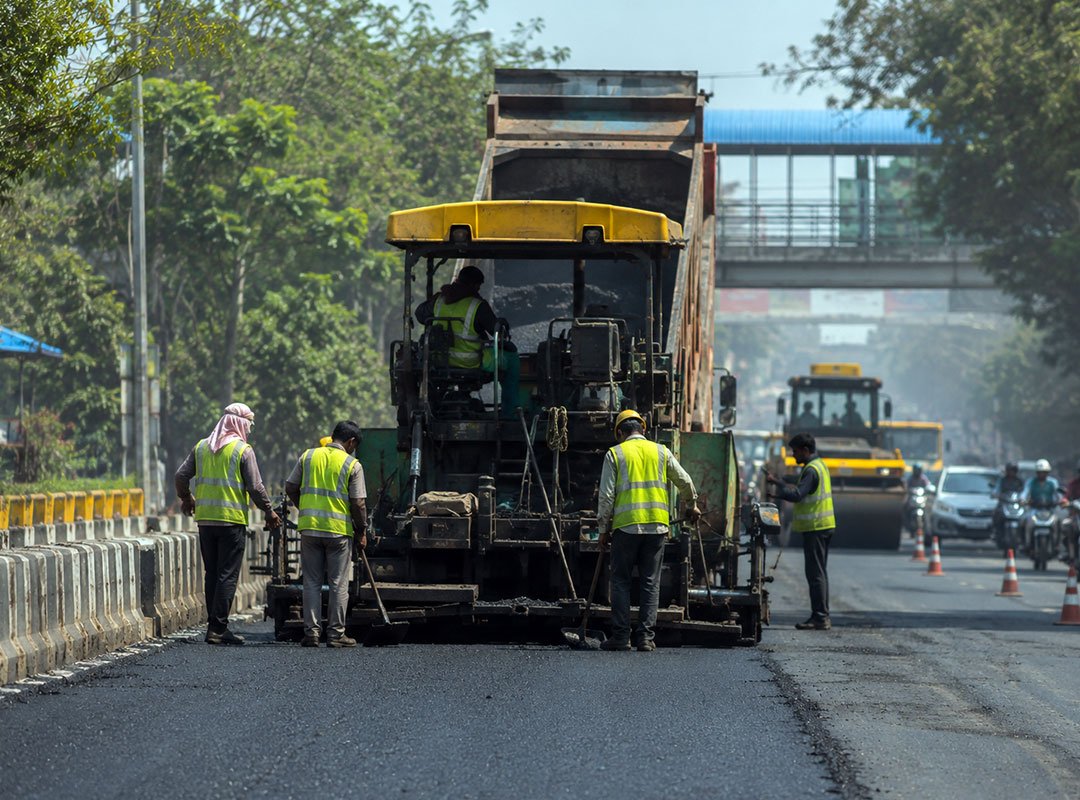
The road construction sector itself is a major source of employment. Infrastructure projects generate direct jobs for engineers, machine operators, construction workers, project managers, surveyors, and material suppliers. Large highway projects also create indirect employment through cement manufacturing, steel production, transportation services, fuel supply, equipment rental, and local support businesses. Continued Road Infrastructure Development in India therefore contributes significantly to job creation across sectors.
In rural and semi-urban regions, road construction projects often become major economic activities during execution phases. Local communities benefit through temporary and long-term employment opportunities. Workers gain technical skills and income stability, which increases household spending and stimulates local markets. Infrastructure development therefore creates a multiplier effect where economic activity spreads across multiple sectors simultaneously.
4. Better Roads Increase Access to Healthcare and Education
Economic development cannot be separated from social infrastructure. Better roads improve access to hospitals, schools, colleges, and training centres, particularly in remote areas. In many villages, poor roads make emergency healthcare inaccessible during monsoons or extreme weather conditions. Delayed medical access increases health risks and financial burdens for rural families. Improved Rural Connectivity and Economic Growth also strengthen social development indicators in rural regions. Improved connectivity enables faster ambulance movement, easier access to district hospitals, and better delivery of medical supplies. Educational institutions also become more accessible to students from remote locations. Teachers, healthcare professionals, and skilled workers are more willing to work in connected areas where transportation is reliable. Over time, better access to education and healthcare contributes to a healthier, more skilled workforce that supports long-term economic growth.
5. Tourism Development Depends Heavily on Road Infrastructure
Tourism is one of the sectors most directly influenced by transportation infrastructure. Scenic destinations, heritage sites, religious centres, wildlife reserves, and hill stations depend on reliable roads to attract visitors. Regions with poor road connectivity often remain economically underdeveloped despite having tourism potential. This further demonstrates the Impact of Highways on Local Economies beyond traditional industrial sectors.
Better roads improve tourist accessibility, increase visitor numbers, and encourage hospitality investments such as hotels, restaurants, fuel stations, and local transport services. This creates employment opportunities for local communities and stimulates small business growth. Road infrastructure also supports eco-tourism and rural tourism initiatives that generate sustainable income for villages while preserving local culture and natural resources.
6. Highways Accelerate Urbanization and Regional Development
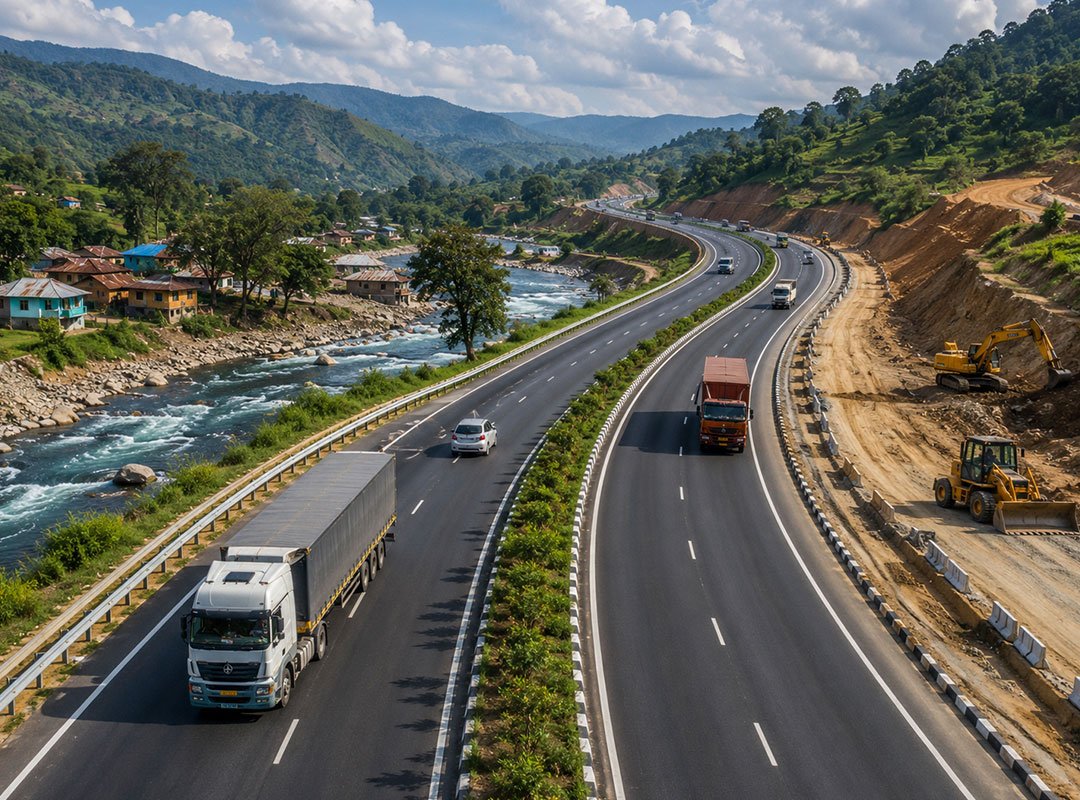
National highways and expressways play a critical role in shaping regional economic clusters. Areas located near major highways often experience rapid urbanization due to improved mobility and commercial activity. Towns connected through highway networks become hubs for trade, warehousing, retail, and industrial operations. This transformation is a direct outcome of systematic Road Infrastructure Development in India.
Improved transportation infrastructure reduces travel time between cities and surrounding regions, enabling labour mobility and economic integration. Businesses gain access to larger customer bases and workforce pools. Residential development also increases near highway corridors due to better connectivity and employment opportunities. Over time, highways contribute to balanced regional development by reducing economic concentration in a few metropolitan centres.
7. Land Value and Real Estate Activity Increase with Connectivity
Road infrastructure has a direct impact on land prices and real estate development. Areas connected through highways or upgraded road networks generally witness significant appreciation in land value. Improved accessibility increases the commercial and residential attractiveness of surrounding regions. The Impact of Highways on Local Economies can often be measured through increased investment and rising property values.
Businesses seek highway-facing locations for logistics, retail, manufacturing, and commercial operations. Residential projects also emerge in connected suburban and semi-urban areas due to improved commuting options. Rising land values create wealth generation opportunities for local landowners and increase municipal revenues through property development and taxation. This economic activity further supports infrastructure expansion and public services.
8. Efficient Roads Improve Supply Chain Reliability
Modern economies depend heavily on efficient supply chains. Industries such as e-commerce, manufacturing, agriculture, retail, pharmaceuticals, and FMCG require reliable transportation systems to maintain operational continuity. Poor road conditions disrupt delivery schedules, increase product damage, and reduce overall productivity. Better Rural Connectivity and Economic Growth also enable smoother movement of goods across regional markets.
High-quality roads and highways improve freight reliability by reducing congestion, minimizing travel delays, and supporting smoother vehicle movement. Better transportation efficiency enables businesses to adopt just-in-time inventory systems and optimize logistics operations. This improves overall economic productivity and strengthens the competitiveness of industries operating within connected regions.
9. Road Infrastructure Supports National Economic Competitiveness
A country’s infrastructure quality directly influences its global economic competitiveness. Efficient road networks reduce trade costs, improve industrial productivity, and attract investment. Countries with strong transportation systems are better positioned to integrate into global supply chains and support export-oriented industries. This makes Road Infrastructure Development in India a major factor in strengthening national competitiveness.
India’s ongoing investments in expressways, economic corridors, and highway modernization aim to reduce logistics costs as a percentage of GDP. Lower transportation costs improve manufacturing competitiveness and strengthen the country’s position as a global production and trade hub. Infrastructure companies involved in road development therefore contribute not only to regional growth but also to national economic performance.
10. Rural Connectivity Reduces Economic Inequality
Economic inequality often increases when rural areas remain disconnected from mainstream economic activity. Villages without proper roads face challenges in accessing markets, employment opportunities, financial services, and government programs. Infrastructure gaps limit economic mobility and perpetuate poverty cycles. Expanding Rural Connectivity and Economic Growth remains essential for balanced regional development.
Rural road development helps bridge this divide by integrating remote communities into broader economic systems. Better connectivity enables rural populations to participate in trade, access urban employment opportunities, and benefit from public services. Improved transportation also encourages investment in rural enterprises and agricultural modernization. As connectivity improves, income disparities between urban and rural regions gradually decline.
Road infrastructure is far more than a transportation necessity. It is one of the most powerful drivers of economic transformation. From enabling farmers to access larger markets to supporting industrial expansion, tourism growth, urban development, and national competitiveness, roads influence nearly every aspect of economic activity. The continued Impact of Highways on Local Economies will remain critical as India advances toward becoming a major global economy.
Village roads improve local mobility and rural inclusion, while national highways connect industries, cities, ports, and economic corridors. Together, they create an integrated transportation network that supports growth at every level of the economy. The long-term benefits of road development extend beyond transportation efficiency and include employment generation, social progress, investment attraction, and regional balance through sustained Rural Connectivity and Economic Growth.
As India continues its infrastructure expansion journey, the role of experienced highway construction companies becomes increasingly important. Building durable, efficient, and future-ready roads is essential for sustaining economic momentum and improving quality of life across the country. Through strategic infrastructure development, companies like Pawan Highways India Pvt. Ltd. contribute directly to building stronger local economies and a more connected nation.