India’s infrastructure ambitions are expanding far beyond constructing new roads. The focus today is on creating transportation networks that improve logistics efficiency, strengthen industrial growth, enhance regional connectivity, and support long-term economic development. With the government’s continued investment in expressways, economic corridors, greenfield highways, urban mobility projects, and multimodal transport systems, infrastructure projects have become significantly larger, more complex, and more time-sensitive than ever before.
As project size increases, the expectations from an Infrastructure Company in India have also evolved. Clients no longer evaluate companies solely on the basis of construction capability or project completion. They expect infrastructure partners to demonstrate engineering innovation, organisational maturity, execution discipline, adaptability to changing project conditions, and the ability to deliver assets that continue performing efficiently for decades. Success is measured not only by kilometres constructed but also by durability, operational efficiency, sustainability, and the long-term value created for communities, businesses, and the economy.
This shift has created a clear distinction between conventional civil contractors and leading infrastructure companies. Organisations that consistently deliver large-scale highway projects successfully combine technical expertise with strategic planning, advanced technology, integrated project management, and continuous innovation. Companies such as Pawan Highways India Pvt. Ltd. exemplify this approach by focusing on execution excellence, engineering precision, and sustainable infrastructure development. The following characteristics explain what truly makes an Infrastructure Company in India stand out in today’s highly competitive highway construction sector.
1. Capability to Execute Mega Infrastructure Corridors Simultaneously
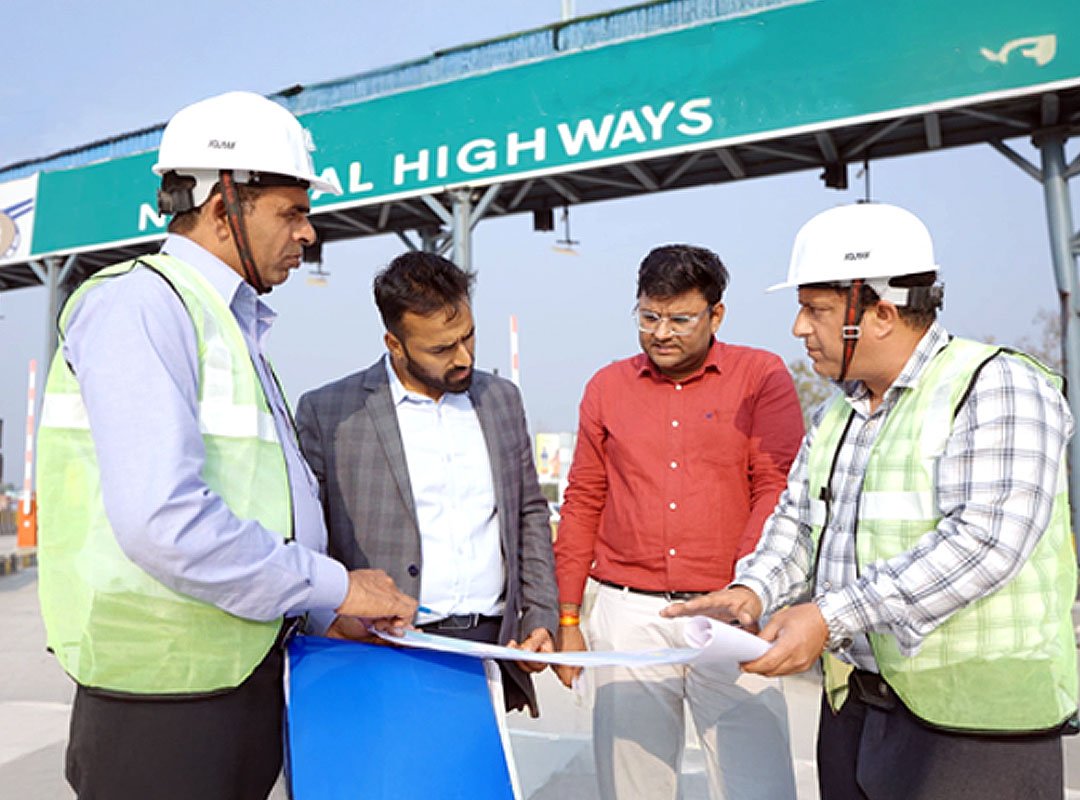
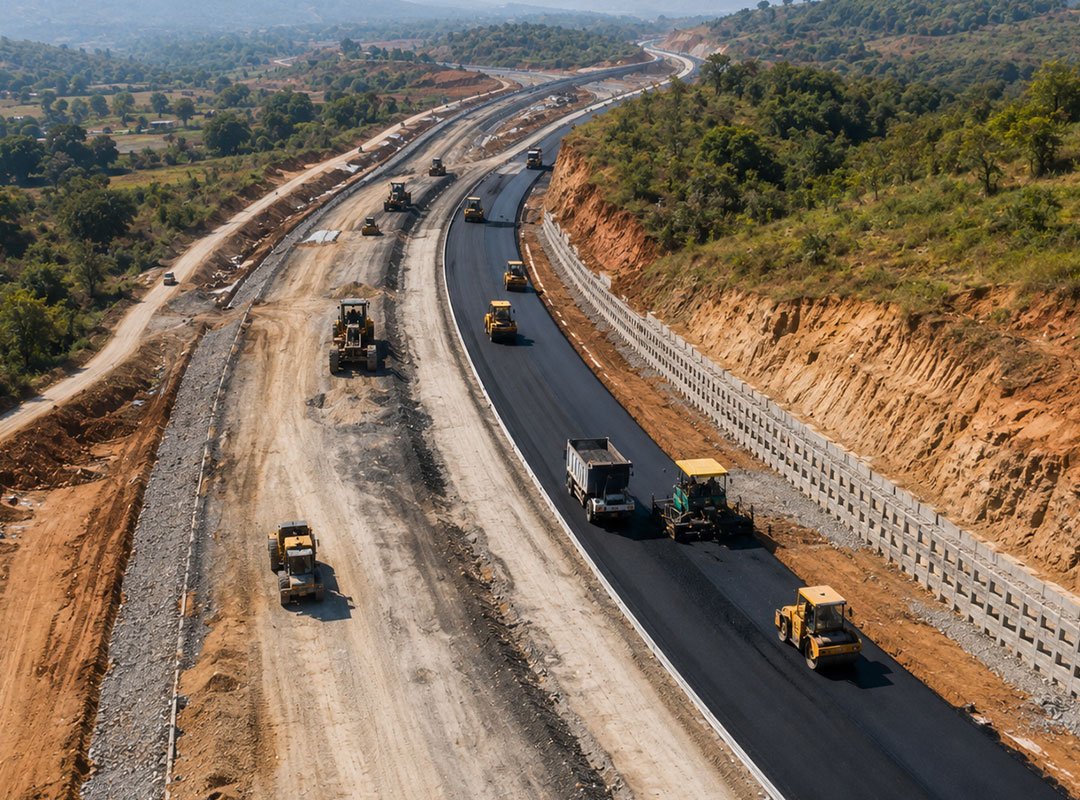
One of the defining characteristics of a leading Infrastructure Company in India is its ability to manage multiple large-scale highway packages simultaneously without compromising quality or delivery schedules. Modern infrastructure programmes often involve hundreds of kilometres of construction spread across different locations, requiring parallel execution of earthworks, structures, pavements, utility relocations, and finishing activities. Successfully coordinating numerous work fronts demands mature project governance, decentralised decision-making, efficient communication systems, and experienced leadership capable of managing thousands of personnel and hundreds of interconnected activities. Companies that consistently demonstrate this execution capability are better positioned to undertake nationally significant infrastructure programmes that require speed, precision, and operational consistency.
2. Creating Long-Term Economic Value Rather Than Simply Building Roads
A successful highway project delivers benefits that extend far beyond physical infrastructure. A progressive Infrastructure Company in India understands that every completed road contributes to lower transportation costs, improved market accessibility, faster freight movement, increased industrial investment, enhanced agricultural supply chains, tourism development, and employment generation. Efficient transport corridors reduce travel time, improve supply chain reliability, and strengthen regional competitiveness by connecting production centres with consumption markets and ports. Infrastructure companies that appreciate these broader economic outcomes make engineering decisions that maximise long-term public value rather than focusing solely on construction completion.
3. Engineering Infrastructure for Future Demand Instead of Present Traffic
Transportation infrastructure is expected to serve growing traffic volumes for several decades, making future-readiness an essential aspect of highway engineering. A distinguished Infrastructure Company in India considers anticipated economic growth, increasing freight movement, urban expansion, industrial development, and future mobility requirements while executing projects. Engineering decisions involving pavement design, structural capacity, drainage systems, geometric alignment, and corridor planning must accommodate future operational demands rather than only present-day requirements. This long-term engineering perspective improves infrastructure resilience, minimises future upgrades, and enables transportation networks to continue supporting economic growth as traffic patterns evolve.
4. Managing Complex Stakeholder Ecosystems Effectively
Large highway projects involve continuous coordination among numerous stakeholders, including government authorities, consultants, utility agencies, environmental regulators, local administrations, subcontractors, suppliers, financial institutions, and nearby communities. Each stakeholder has different priorities, regulatory responsibilities, and operational requirements that must be addressed throughout the project lifecycle. A professional Infrastructure Company in India establishes structured communication mechanisms, transparent reporting systems, proactive issue resolution processes, and collaborative project governance to ensure smooth coordination among all participating organisations. Effective stakeholder management reduces disputes, accelerates decision-making, improves regulatory coordination, and contributes significantly to timely project completion.
5. Leveraging Data for Better Project Decisions
Digital transformation has fundamentally changed how major infrastructure projects are planned, monitored, and executed. Rather than relying solely on manual supervision, a modern Infrastructure Company in India increasingly uses real-time project dashboards, Geographic Information Systems (GIS), drone mapping, satellite imagery, IoT-enabled equipment monitoring, digital progress tracking, predictive analytics, and Artificial Intelligence-assisted scheduling to improve project visibility and operational control. Data-driven decision-making enables project teams to identify emerging risks early, optimise resource allocation, monitor productivity, forecast delays, and improve overall project performance. As infrastructure programmes continue to increase in complexity, organisations that effectively integrate digital intelligence into project management gain significant advantages in efficiency, transparency, and execution reliability.
6. Building Infrastructure That Can Withstand Climate Challenges
Climate resilience has become an increasingly important consideration in highway infrastructure development due to changing weather patterns, extreme rainfall events, rising temperatures, flooding, and soil instability. A forward-looking Infrastructure Company in India incorporates resilient engineering practices that improve the long-term performance of transportation assets under varying environmental conditions. This includes designing efficient drainage systems, strengthening embankments against erosion, improving slope protection measures, selecting durable construction materials, and implementing engineering solutions that minimise climate-related disruptions. Infrastructure designed with resilience in mind not only enhances public safety but also reduces maintenance requirements, extends asset life, and ensures uninterrupted connectivity during adverse environmental conditions.
7. Scalability Without Compromising Performance
One of the strongest differentiators of a leading Infrastructure Company in India is its ability to scale operations rapidly while maintaining consistent quality and execution standards. Large infrastructure programmes often require simultaneous mobilisation across multiple project locations within tight timelines, demanding quick deployment of engineering teams, equipment, construction plants, and support services. Scaling successfully requires standardised operating procedures, strong organisational systems, experienced leadership, and efficient coordination between corporate and site teams. Companies that can expand their operational capacity without affecting productivity or project quality are better equipped to participate in national infrastructure programmes involving multiple contracts, accelerated delivery schedules, and geographically dispersed work packages.
8. A Culture of Continuous Innovation
Infrastructure development is constantly evolving as new materials, construction technologies, and engineering practices emerge to improve performance and efficiency. A progressive Infrastructure Company in India fosters a culture of continuous innovation by encouraging process improvements, adopting advanced construction solutions, evaluating emerging pavement technologies, and integrating digital engineering tools into daily operations. Innovation is not limited to purchasing modern equipment; it also includes improving construction methodologies, reducing resource consumption, optimising workflows, enhancing project monitoring, and developing practical solutions to site-specific challenges. Organisations that continuously innovate remain more competitive, respond faster to changing industry requirements, and consistently deliver better project outcomes.
9. Strengthening India’s Economic Competitiveness Through Infrastructure
Modern highway infrastructure plays a direct role in improving a nation’s economic competitiveness. Efficient transportation corridors reduce travel time, lower logistics costs, improve supply chain reliability, and strengthen connectivity between manufacturing centres, agricultural regions, logistics parks, ports, and urban markets. India currently spends a significantly higher percentage of its GDP on logistics compared to many developed economies, making transport infrastructure a critical area for economic improvement. A capable Infrastructure Company in India contributes to addressing this challenge by delivering highway networks that improve freight efficiency, facilitate industrial expansion, support export competitiveness, and encourage balanced regional development. Every successfully executed infrastructure project therefore creates value that extends far beyond construction, contributing to long-term economic productivity and national growth.
10. Building Infrastructure as Long-Term National Assets
Highways are expected to serve millions of road users for several decades, making them long-term public assets rather than short-term construction projects. A distinguished Infrastructure Company in India approaches every project with an asset lifecycle perspective, recognising that design decisions, construction precision, material selection, and execution quality directly influence maintenance requirements, operational safety, and lifecycle costs. Infrastructure built with durability and long-term performance in mind delivers greater value to governments, businesses, and society by reducing future rehabilitation needs and ensuring uninterrupted connectivity. Companies such as Pawan Highways India Pvt. Ltd. contribute to this vision by executing projects with a focus on engineering excellence, operational reliability, and sustainable infrastructure that continues to support India’s economic development long after construction is complete.
The infrastructure sector is entering an era where success is defined not merely by the ability to construct roads, but by the ability to create transportation networks that remain efficient, resilient, and economically valuable for generations. As projects become larger, technologically advanced, and increasingly integrated with national development strategies, clients expect infrastructure partners to demonstrate strong organisational capability, engineering excellence, innovation, scalability, and long-term strategic thinking.
A leading Infrastructure Company in India distinguishes itself by consistently delivering complex projects while adapting to evolving technologies, changing environmental conditions, and growing mobility demands. From managing mega infrastructure corridors and embracing digital transformation to strengthening India’s logistics ecosystem and building climate-resilient transportation assets, these capabilities define the organisations shaping the country’s future.
As India continues to expand its highway network and invest in world-class transportation infrastructure, companies that combine execution excellence with innovation and sustainable engineering will play a vital role in driving national progress. Pawan Highways India Pvt. Ltd. remains committed to this vision by delivering infrastructure solutions that not only connect destinations but also strengthen economic growth, improve mobility, and create lasting value for communities across the country.