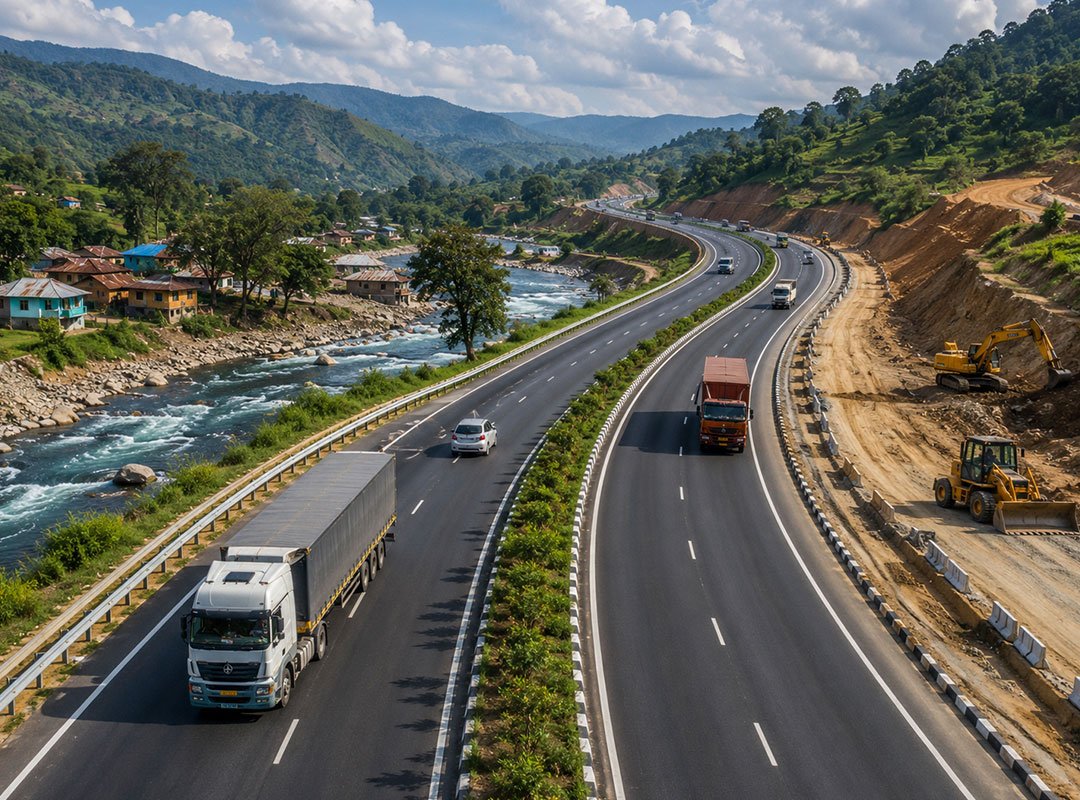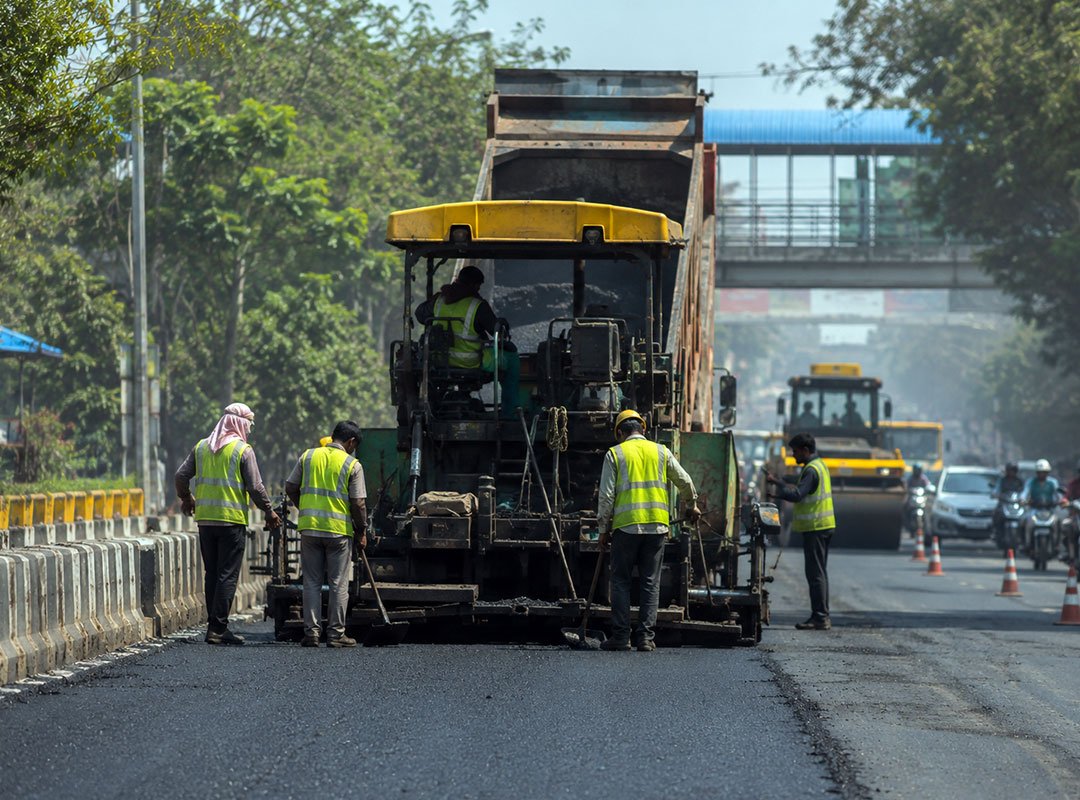

When people think about road and highway construction, they usually picture heavy machinery, asphalt paving, earthmoving equipment, and workers on-site. However, the most critical phase of any road infrastructure project begins long before the first excavator arrives or the first layer of pavement is laid. Understanding what happens before road construction starts is essential to understanding why modern highway projects require extensive planning and coordination.
Every successful road construction project is built on months, and sometimes years, of meticulous planning, technical studies, regulatory approvals, engineering assessments, and logistical preparations. These pre-execution activities determine the project’s feasibility, safety, cost efficiency, environmental compliance, construction quality, and long-term performance. Many people searching for how roads are constructed often overlook the amount of groundwork involved before physical execution begins. In highway and road development, mistakes made during planning are significantly more expensive to correct once construction starts. This is why experienced infrastructure companies invest substantial time and resources in pre-construction activities to identify risks, optimize designs, streamline execution, and ensure regulatory compliance. These are the critical steps before highway construction begins that directly influence project success.
This article explores the critical pre-execution activities that take place before road construction begins and explains why they are essential to the success of every highway infrastructure project.
1. Feasibility Study and Project Assessment
Every road project starts with determining whether the proposed development is technically, economically, and socially viable. A feasibility study evaluates factors such as expected traffic demand, connectivity requirements, economic benefits, land availability, environmental constraints, construction challenges, and long-term maintenance implications. Engineers and planners assess whether the project can achieve its intended objectives while remaining financially and operationally sustainable. This stage helps stakeholders understand whether the project should proceed, be modified, or be reconsidered entirely. These evaluations are among the first steps before highway construction begins.
2. Traffic Studies and Demand Analysis
Road infrastructure must be designed to serve current and future transportation needs. Traffic studies involve collecting data on existing traffic volumes, vehicle classifications, travel patterns, peak-hour movements, freight traffic, and accident history. Engineers use this information to forecast future traffic growth and determine the required road capacity. Accurate traffic projections influence critical design decisions, including lane configuration, pavement design, interchange layouts, service roads, intersections, and safety features. Without reliable traffic analysis, roads can become congested long before their intended design life. This stage is essential in understanding how roads are constructed for long-term functionality.
3. Topographical Survey
Before any engineering design can begin, a detailed understanding of the project terrain is required. Topographical surveys capture information about ground elevations, slopes, natural features, existing structures, water bodies, vegetation, utility corridors, and surrounding infrastructure. Modern surveys use advanced technologies such as Total Stations, GPS systems, drones, and LiDAR mapping to generate highly accurate terrain models. The survey data serves as the foundation for route alignment, drainage design, earthwork calculations, and overall project planning. It also provides clarity on what happens before road construction activities reach the site.
4. Geotechnical Investigation
The strength and characteristics of the underlying soil play a decisive role in road performance. Geotechnical investigations involve drilling boreholes, collecting soil samples, conducting laboratory tests, and analyzing subsurface conditions. Engineers evaluate soil bearing capacity, settlement characteristics, groundwater levels, moisture content, and material suitability. The findings influence pavement thickness, embankment design, slope stability measures, retaining structures, and foundation requirements. A comprehensive geotechnical investigation helps prevent future failures such as pavement cracking, settlement, rutting, and embankment collapse. These technical assessments are vital steps before highway construction begins.
5. Route Alignment and Corridor Planning
Selecting the optimal road alignment is one of the most important decisions in any highway project. Engineers evaluate multiple alignment options while considering terrain, environmental sensitivity, population centers, existing infrastructure, utility networks, land acquisition requirements, and construction costs. The objective is to develop a corridor that provides efficient connectivity while minimizing environmental impacts, land acquisition challenges, and long-term maintenance costs. Even minor alignment adjustments can significantly affect project costs and operational efficiency. This is a core component of how roads are constructed efficiently and sustainably.
6. Environmental Impact Assessment
Large-scale road projects can affect ecosystems, water resources, wildlife habitats, air quality, and nearby communities. Environmental Impact Assessments (EIA) identify potential environmental risks associated with the project and recommend mitigation measures. The assessment examines factors such as vegetation loss, noise pollution, water runoff, dust generation, emissions, and ecological disturbance. Environmental specialists work closely with engineers to ensure that project designs comply with environmental regulations and sustainability objectives. Environmental clearances are often mandatory before construction activities can begin. This explains another major aspect of what happens before road construction is approved.
7. Land Acquisition and Right-of-Way Management
No road project can proceed without securing the required land. Land acquisition involves identifying affected properties, conducting ownership verification, determining compensation, negotiating with landowners, and completing legal procedures. Right-of-way management ensures adequate space is available not only for the roadway itself but also for future expansion, drainage systems, utility corridors, service roads, and safety zones. Delays in land acquisition remain one of the most common causes of project schedule disruptions worldwide.
8. Utility Identification and Relocation Planning
Road corridors often contain existing utilities such as water pipelines, sewer lines, electrical cables, gas pipelines, communication networks, and drainage infrastructure. Before construction begins, utility mapping is conducted to identify existing underground and overhead services. Engineers coordinate with utility agencies to plan relocation, protection, or modification works. Proper utility planning prevents construction delays, service interruptions, safety hazards, and costly redesigns during execution. These planning measures are critical steps before highway construction begins.
9. Detailed Engineering Design
Once preliminary investigations are complete, engineers develop the detailed construction design. This includes geometric road design, pavement structure design, bridge and culvert design, drainage systems, retaining structures, intersections, traffic management facilities, safety barriers, signage, and road markings. Detailed engineering drawings translate project objectives into executable construction plans and technical specifications. High-quality engineering design reduces construction risks and improves project efficiency. This phase demonstrates the precision involved in how roads are constructed at a professional level.
10. Hydrological and Drainage Analysis
Water is one of the greatest threats to road infrastructure. Hydrological studies analyze rainfall patterns, watershed characteristics, runoff volumes, flood risks, and drainage requirements. Engineers use this information to design stormwater systems, culverts, cross-drainage structures, and erosion control measures. Proper drainage design prevents flooding, pavement deterioration, embankment erosion, and structural damage. A road is only as durable as its drainage system. Effective drainage planning is another key element of what happens before road construction work starts on-site.
11. Safety Audits and Risk Assessment
Safety considerations begin long before construction starts. Road safety audits evaluate design elements from the perspective of all road users, including motorists, pedestrians, cyclists, and public transport operators. Engineers identify potential hazards and recommend corrective measures before construction begins. Risk assessments also evaluate construction-related hazards, environmental risks, utility conflicts, geotechnical uncertainties, and operational safety concerns. Early risk identification significantly reduces future accidents and project disruptions.
12. Regulatory Approvals and Statutory Clearances
Road construction projects require approvals from multiple government agencies and regulatory authorities. Depending on project scope and location, approvals may involve environmental authorities, transportation departments, municipal bodies, forest departments, utility agencies, railway authorities, and water resource regulators. Obtaining clearances often requires extensive documentation, technical submissions, and compliance verification. Construction cannot legally commence until all mandatory approvals are secured. These formalities are unavoidable steps before highway construction begins.
13. Material Source Identification
A road project requires enormous quantities of construction materials, including aggregates, soil, sand, bitumen, cement, steel, and concrete. Before construction begins, project teams identify approved material sources and evaluate their quality, availability, transportation distance, production capacity, and environmental compliance. Reliable material sourcing ensures uninterrupted construction progress and consistent quality throughout the project. Material shortages can severely affect schedules and costs. This process also helps explain how roads are constructed with durability and consistency.
14. Construction Methodology Planning
Every project requires a detailed execution strategy. Construction managers develop methodologies for earthworks, pavement construction, drainage installation, structure construction, traffic diversion, utility relocation, and quality control. The objective is to sequence activities efficiently while minimizing disruptions, safety risks, and resource conflicts. A well-planned methodology significantly improves productivity and project outcomes.
15. Resource Planning and Equipment Mobilization Strategy
Road construction involves complex coordination of manpower, machinery, materials, and logistics. Project teams determine equipment requirements, workforce allocation, fuel consumption estimates, maintenance schedules, transportation arrangements, and procurement timelines. Mobilization planning ensures that resources are available precisely when needed, preventing costly delays and idle equipment. Effective resource planning is often a major factor in project profitability. These operational arrangements are important steps before highway construction begins.
16. Project Scheduling and Work Breakdown Structure
Before execution begins, project planners develop detailed schedules that define every activity, milestone, dependency, and resource requirement. Using project management tools, teams establish timelines for surveys, earthworks, structures, pavement works, drainage systems, utility relocation, testing, and commissioning. A well-developed schedule allows project managers to monitor progress, manage risks, and maintain control over timelines and costs. Accurate scheduling is essential for delivering infrastructure projects on time.
17. Quality Assurance and Quality Control Planning
Quality cannot be inspected into a project after construction; it must be planned from the beginning. Pre-construction quality planning establishes testing procedures, inspection protocols, material acceptance criteria, documentation requirements, and compliance standards. Quality plans define how construction activities will be monitored to ensure conformity with project specifications and industry standards. Strong quality systems help maximize pavement life and infrastructure reliability. This is another overlooked aspect of what happens before road construction physically starts.
18. Traffic Management and Diversion Planning
For road widening, rehabilitation, and urban road projects, maintaining traffic flow during construction is a major challenge. Traffic engineers develop diversion plans, temporary road arrangements, signage layouts, pedestrian management systems, and emergency response procedures. The goal is to maintain safety and mobility while minimizing inconvenience to road users. Effective traffic management planning is essential for both public safety and project efficiency.
19. Stakeholder Coordination and Community Engagement
Infrastructure projects affect multiple stakeholders, including government agencies, local communities, businesses, utility providers, emergency services, and environmental groups. Project teams conduct consultations, public meetings, coordination sessions, and information-sharing activities to address concerns and gather feedback. Proactive stakeholder engagement reduces resistance, minimizes disputes, and supports smoother project implementation. Strong communication often prevents issues that technical solutions alone cannot resolve.
20. Cost Estimation and Budget Finalization
Before construction begins, detailed cost estimates are prepared based on design quantities, material requirements, labor costs, equipment needs, logistics, contingencies, and project risks. Accurate cost estimation enables effective budgeting, procurement planning, financing arrangements, and contract management. Underestimating costs can jeopardize project viability, while excessive estimates can affect competitiveness and funding approvals. A robust financial framework is essential for successful project delivery. Financial planning remains one of the most important steps before highway construction begins.
The visible construction phase of a road project may attract the most attention, but the real foundation of success is established long before any physical work begins. Feasibility studies, surveys, geotechnical investigations, environmental assessments, engineering design, utility planning, land acquisition, regulatory approvals, and resource planning collectively determine the project’s performance, safety, cost efficiency, and longevity.
For experienced infrastructure companies, pre-execution activities are not merely administrative requirements; they are strategic processes that reduce risk, improve constructability, optimize resource utilization, and ensure that every kilometer of road is built to deliver long-term value. Anyone seeking to understand how roads are constructed must first understand the extensive planning and engineering involved before construction starts.
At Pawan Highways India Pvt. Ltd. (PHIPL), understanding and executing these critical pre-construction activities with precision is fundamental to delivering high-quality road and highway infrastructure that meets the highest standards of engineering excellence, safety, and durability.