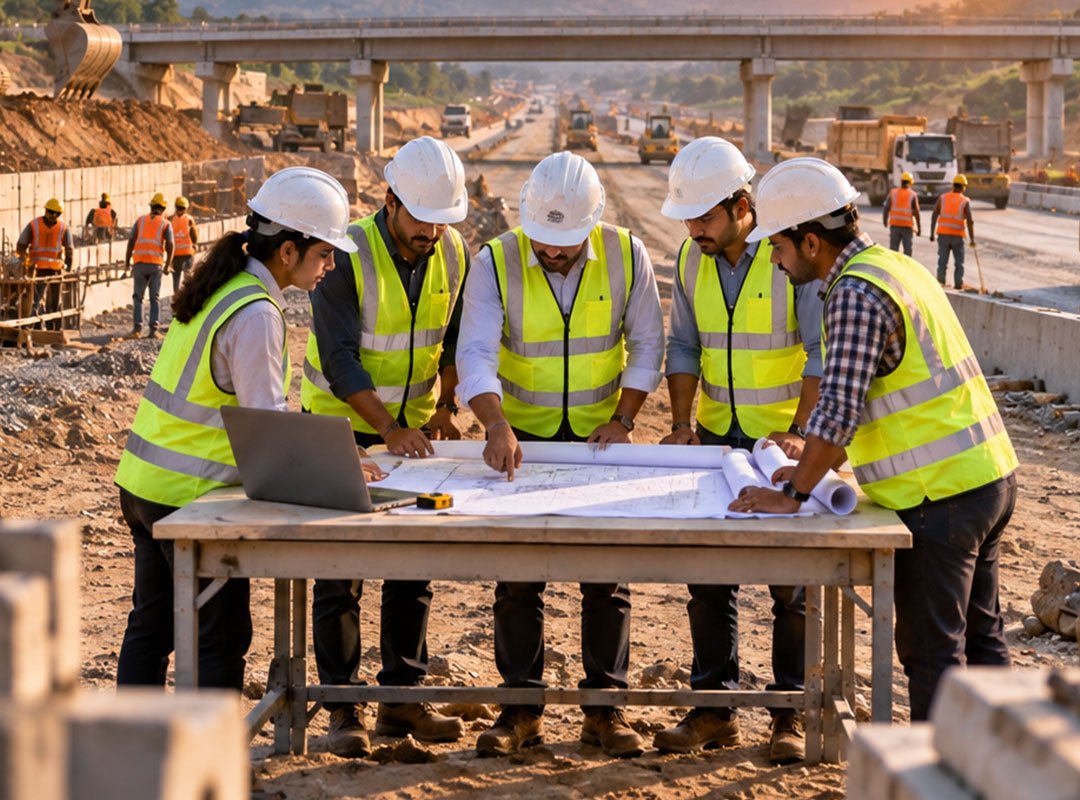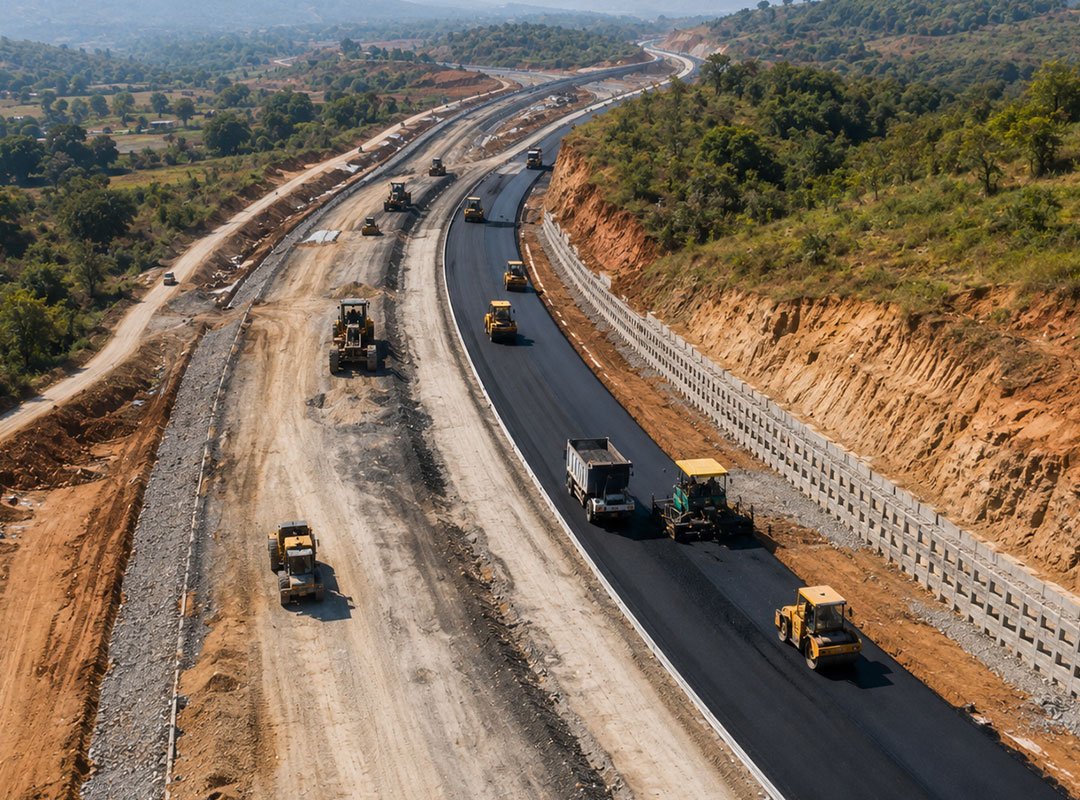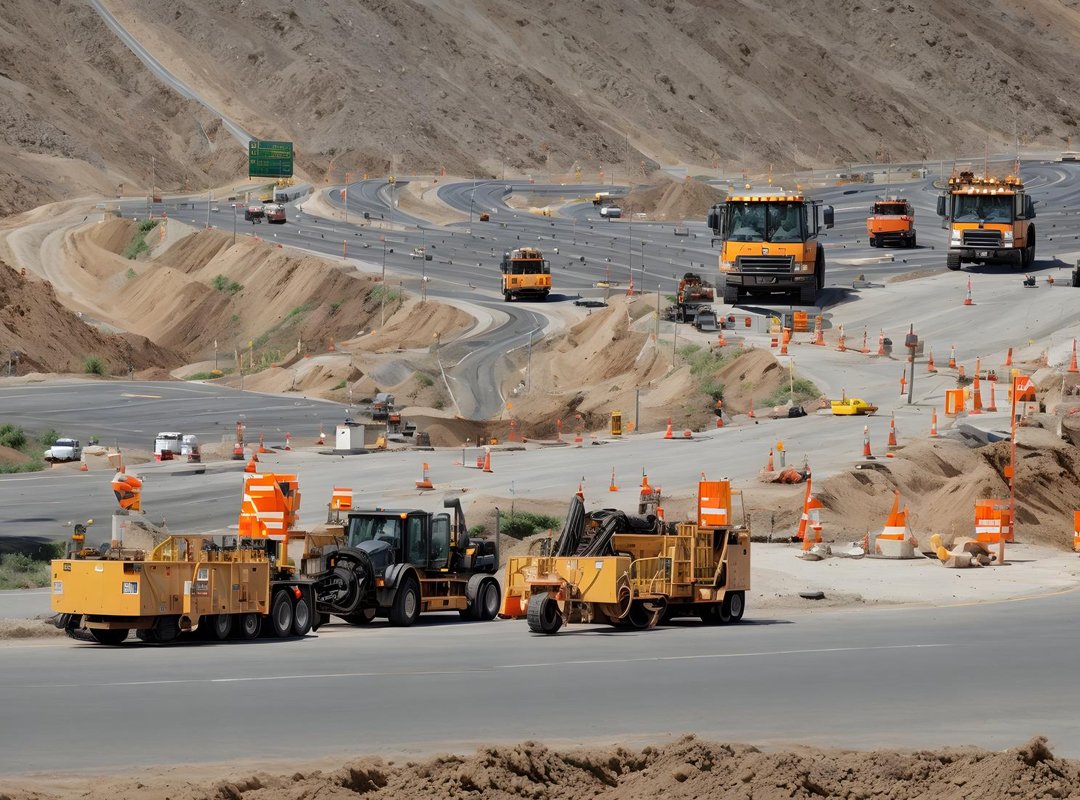

In the world of infrastructure development, particularly in highway construction, timelines are not just numbers on a schedule. They represent commitments to governments, stakeholders, communities, and the economy at large. Delivering projects on time is a priority for every responsible contractor, supported by detailed planning, engineering precision, and structured execution frameworks.
Yet, despite comprehensive planning and disciplined project management practices, timeline deviations are a reality across the industry. This is not necessarily a reflection of poor planning or inefficiency, but rather a result of the inherent complexity and dynamic nature of large-scale infrastructure projects. A closer look at why infrastructure projects get delayed reveals that many of these challenges arise during execution rather than planning. Understanding why timelines slip, even when planning is robust, is essential for improving delivery outcomes and setting realistic expectations. This perspective is particularly important for highway construction companies, where projects span long distances, involve multiple stakeholders, and operate within constantly evolving ground conditions.
1. The Nature of Infrastructure Projects: Complexity at Scale
Highway projects are fundamentally different from most other forms of construction. They are linear, geographically extensive, and deeply interconnected with their surrounding environment. Unlike a contained building project, a highway passes through multiple jurisdictions, land parcels, ecological zones, and utility networks.
This scale introduces a level of variability that cannot be fully captured during the planning stage. While project schedules are developed using the best available data, actual site conditions often reveal complexities that were not visible earlier. As a result, timelines must adapt to realities that emerge progressively during execution. These evolving conditions are among the common problems in road construction projects, especially in large and geographically diverse corridors.
2. Dependence on Pre-Construction Enablers
A well-structured construction plan assumes that certain preconditions are in place before execution begins. These include land availability, statutory clearances, and utility relocation. In practice, however, these enabling factors may progress in parallel with construction rather than being fully completed in advance.
Land acquisition, for instance, is a multi-layered process involving legal verification, compensation, and stakeholder engagement. Even minor delays in acquiring specific stretches can affect continuity of work, forcing teams to resequence activities and mobilize resources inefficiently. This remains one of the key reasons for delay in highway construction across projects of all scales.
Similarly, environmental and regulatory approvals involve coordination across multiple authorities. While timelines are estimated during planning, approval processes are influenced by regulatory scrutiny, documentation requirements, and inter-agency coordination, all of which can extend beyond anticipated durations.
3. Variability in Ground Conditions
Despite detailed surveys and geotechnical investigations, subsurface conditions can vary significantly along a highway alignment. Differences in soil composition, groundwater levels, and rock strata often become fully evident only during excavation and foundation work. Such variations may require design adjustments, changes in construction methodology, or additional stabilization measures. These interventions, while necessary to ensure long-term durability and safety, inevitably impact the original schedule. This is another practical dimension of why infrastructure projects get delayed, even when initial studies are comprehensive.
4. Interface with Existing Infrastructure and Utilities
Highway projects frequently intersect with existing infrastructure systems, including water pipelines, electrical networks, telecommunications cables, and drainage systems. While efforts are made to map these utilities during the planning stage, records are not always complete or up to date. During execution, unidentified or inaccurately mapped utilities can emerge, requiring immediate attention. Relocation or protection of these services involves coordination with multiple agencies, each with its own operational priorities and timelines. These coordination gaps are widely recognized as common problems in road construction projects and can significantly influence progress.
5. Evolving Design and Stakeholder Inputs
Infrastructure projects are developed to serve long-term public needs. As such, they often undergo refinement even after initial designs are finalized. Feedback from stakeholders, evolving traffic patterns, safety considerations, and integration with future developments can lead to design enhancements during execution. While these changes improve the overall functionality and sustainability of the project, they also require recalibration of schedules. Design revisions may involve additional approvals, procurement adjustments, and modifications to work already completed or planned. These adjustments further highlight why infrastructure projects get delayed despite careful planning.
6. Supply Chain and Resource Dynamics
Highway construction depends on a steady supply of materials such as aggregates, bitumen, cement, and steel, as well as specialized machinery and skilled labor. While procurement strategies are carefully planned, supply chains are influenced by broader market conditions.
Fluctuations in material availability, transportation constraints, and shifts in demand can affect delivery schedules. Similarly, workforce availability may vary due to seasonal factors, migration patterns, or competing project demands. These disruptions are often cited among the operational reasons for delay in highway construction.
7. Weather and Environmental Factors
Climatic conditions play a significant role in infrastructure construction, particularly in regions with pronounced seasonal variations. Activities such as earthwork, paving, and structural concrete placement are highly sensitive to weather conditions. Monsoon periods, extreme temperatures, and unexpected weather events can temporarily halt or slow down work. In addition to immediate disruptions, adverse weather can affect site accessibility, material handling, and quality control processes. These environmental influences are among the recurring common problems in road construction projects, requiring flexible execution strategies.
8. Coordination Across Multiple Stakeholders
Highway projects bring together a diverse group of stakeholders, including clients, consultants, contractors, subcontractors, regulatory bodies, and local communities. Each stakeholder plays a vital role in project success, but coordination among them is inherently complex. Decisions often require alignment across multiple parties, and differing priorities can influence the pace of progress. Effective communication and structured governance mechanisms are essential, yet coordination challenges can still arise, particularly in large and geographically dispersed projects. This complexity further explains why infrastructure projects get delayed in real-world scenarios.
9. Financial Flows and Project Economics
Infrastructure projects operate within defined financial frameworks, but cash flow management remains a critical aspect of execution. Timely payments, cost variations, and financial approvals all influence the pace at which resources can be mobilized and sustained. While financial planning is an integral part of project preparation, external factors such as market conditions and administrative processes can impact liquidity during execution. Maintaining financial discipline and adaptability is therefore essential to sustaining progress and addressing the reasons for delay in highway construction.
10. The Role of Risk and Uncertainty
Every infrastructure project incorporates risk assessment as part of its planning process. However, the scale and diversity of risks in highway construction mean that not all uncertainties can be fully anticipated or quantified. Unforeseen events, ranging from policy changes to logistical disruptions, can influence project timelines. The ability to identify emerging risks early and respond effectively is a defining factor in managing schedule performance.
11. Moving Toward More Resilient Project Delivery
Recognizing that variability is inherent in infrastructure projects, leading highway construction companies are adopting more resilient approaches to planning and execution. This includes placing greater emphasis on detailed pre-construction investigations, strengthening stakeholder engagement early in the project lifecycle, and integrating technology for real-time monitoring and decision-making. Dynamic scheduling practices, supported by data-driven insights, enable teams to adjust plans in response to on-ground realities. Enhanced coordination frameworks and proactive risk management further contribute to minimizing disruptions.
12. How PHIPL Manages Timeline Slippages
At PHIPL, managing timeline slippages is approached through proactive planning, real-time monitoring, and execution flexibility. Recognizing that highway construction projects operate in dynamic environments, the focus is not only on creating schedules but on continuously adapting them to on-ground realities.
The company emphasizes detailed pre-construction assessments, early risk identification, and phased execution planning to reduce disruptions during project delivery. Real-time project tracking systems and regular progress reviews enable teams to identify bottlenecks early and take corrective action before delays escalate. PHIPL also prioritizes coordination across stakeholders, including consultants, authorities, suppliers, and on-site teams, to improve decision-making speed and maintain execution continuity. By combining structured project management practices with operational adaptability, the company works to minimize delays while maintaining construction quality and safety standards. This approach helps ensure that projects remain resilient even when external challenges such as weather conditions, utility conflicts, or logistical constraints arise.
Timelines in infrastructure projects are shaped by a combination of planning, execution, and external influences. While robust planning provides a strong foundation, it cannot fully eliminate the uncertainties that arise in complex, large-scale developments such as highways. For construction companies, the objective is not only to meet schedules but also to deliver resilient, high-quality infrastructure through efficient and effective management practices, optimum utilisation of resources, and proper division of work that support long-term growth and connectivity.