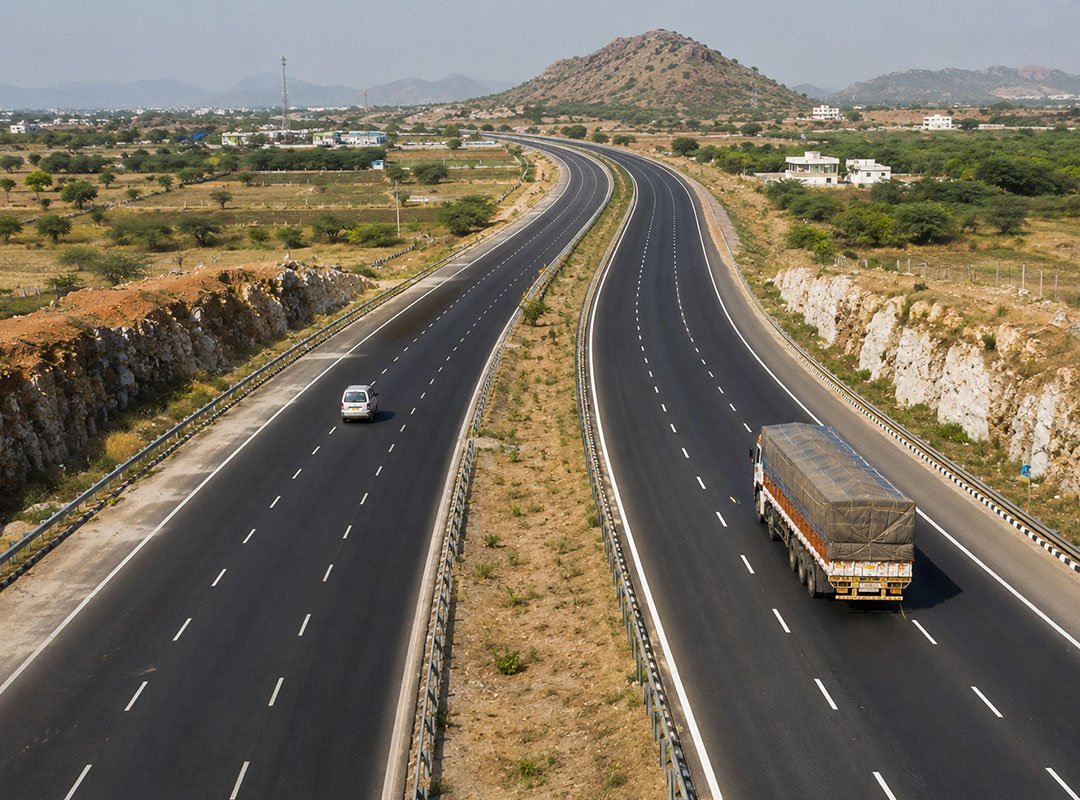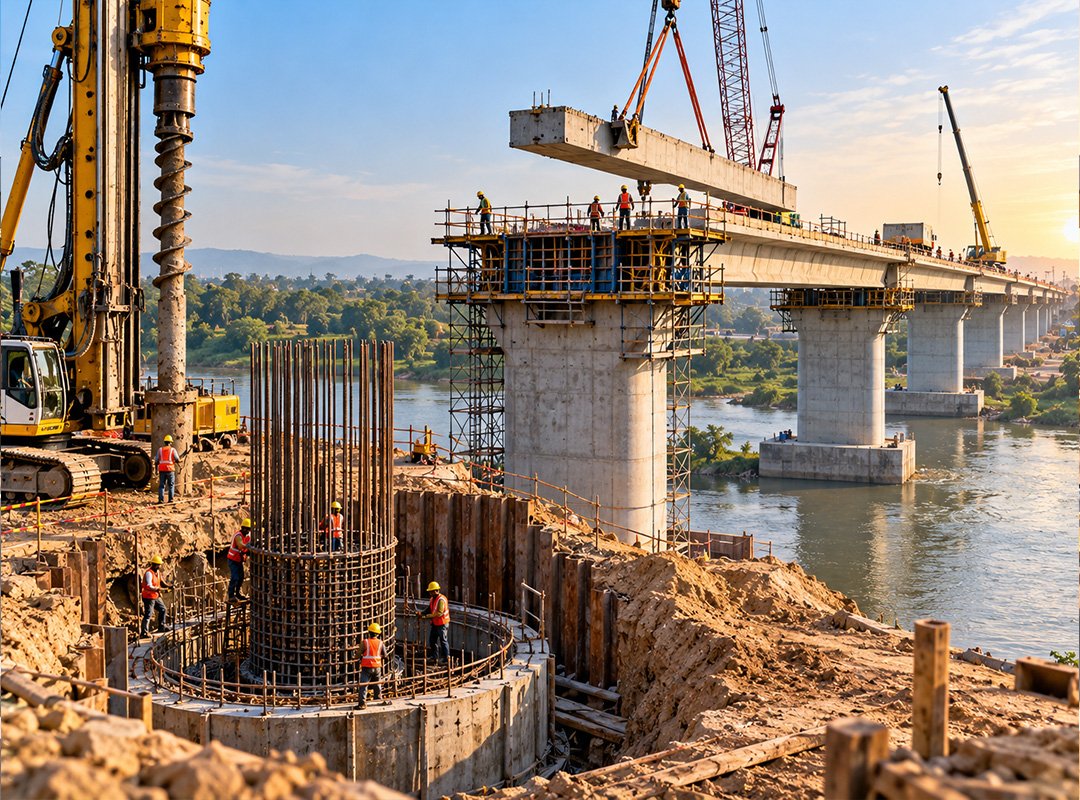
Highways connect cities, markets and communities, but they can also divide natural habitats. A road cutting through a forest, grassland, wetland or migration route may obstruct animal movement, increase wildlife-vehicle collisions, alter drainage patterns and isolate populations. These effects extend beyond the road boundary because animals need access to feeding grounds, water, shelter and breeding areas across a wider landscape.
Wildlife crossings are planned connections that allow animals to move safely between habitats separated by transport infrastructure. When supported by sound ecological surveys, suitable engineering and long-term monitoring, they become an important part of eco-friendly highway design. For infrastructure developers, biodiversity conservation is not a separate activity added after construction; it is a design consideration that should influence route selection, structures, construction methods and maintenance.
Key Measures for Wildlife-Sensitive Highway Development
1. Identify Ecological Constraints Before Finalising the Alignment
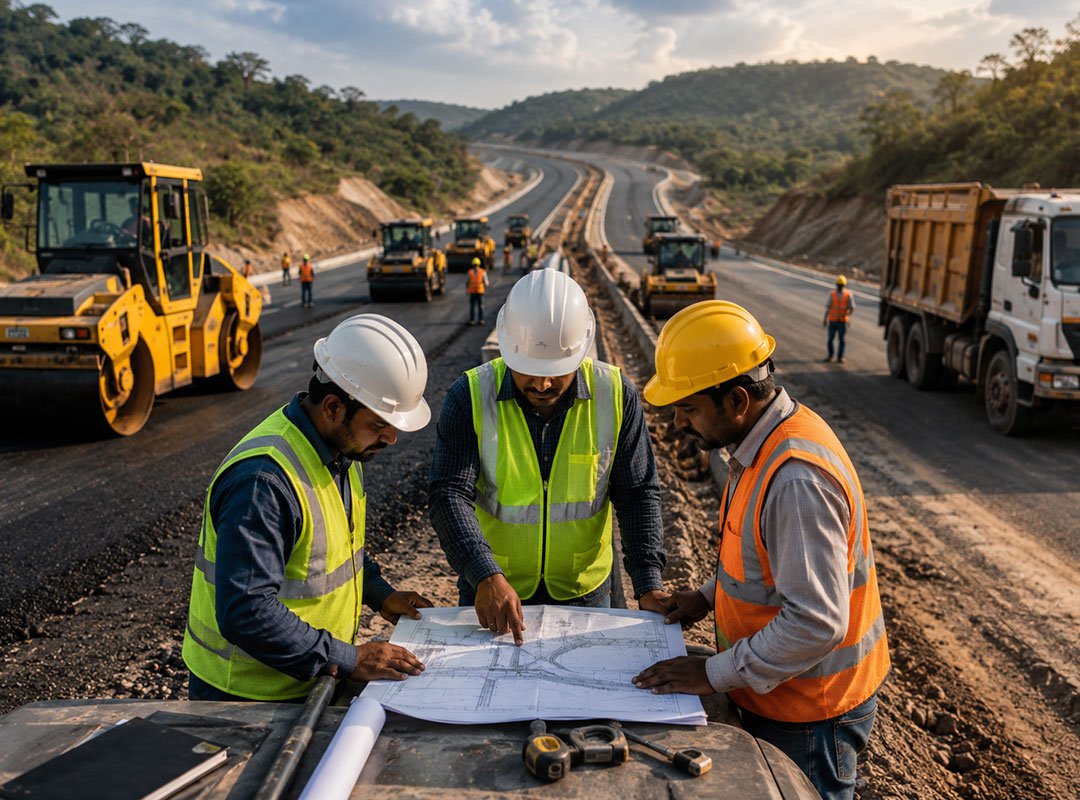
Route selection is the first and often most effective opportunity to reduce ecological impact. Project teams should review protected areas, recorded wildlife corridors, wetlands, river systems, breeding sites and seasonal movement routes before fixing the alignment. Field surveys should verify existing records through camera traps, track and sign observations, roadkill data, local knowledge and consultation with forest departments and wildlife specialists. The purpose is to understand where animals move, when they move and which habitat links are essential. Avoiding a critical habitat or shifting a road away from a high-use movement zone can prevent impacts that a crossing structure alone may not fully resolve. This early assessment gives eco-friendly highway design a reliable evidence base and makes biodiversity conservation part of route planning rather than a corrective measure.
2. Match Each Crossing Structure to the Species and Landscape
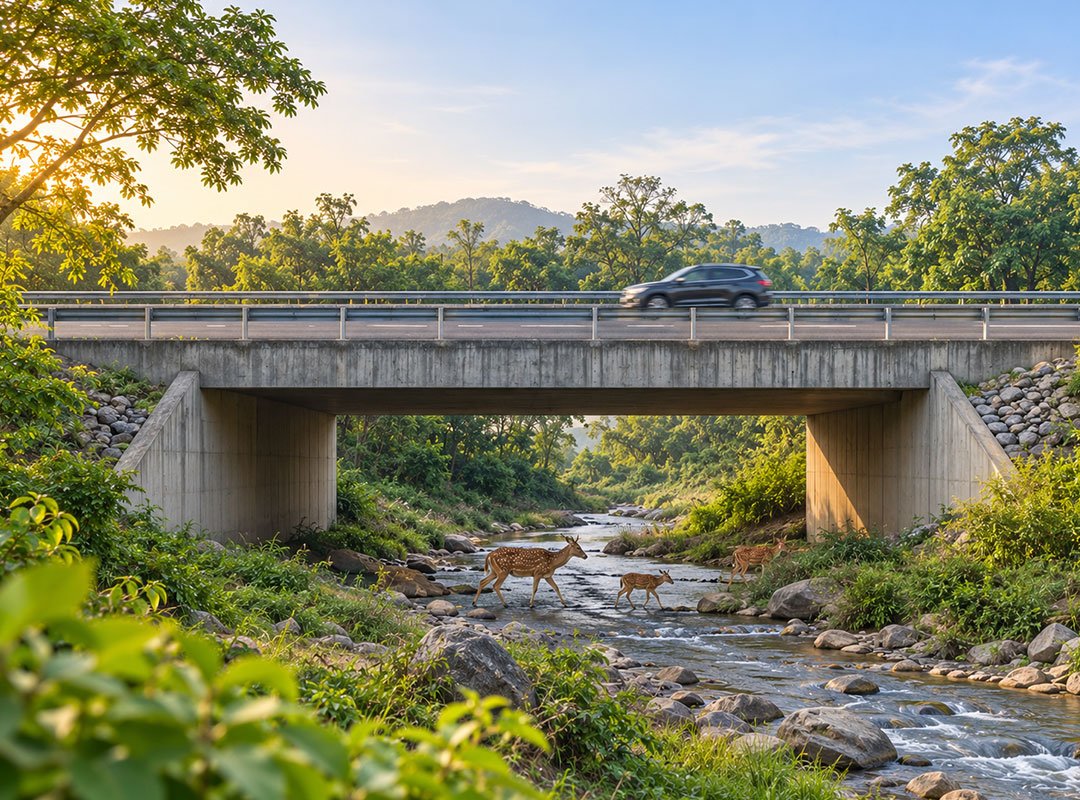
A single standard structure cannot serve every animal. Large mammals may require broad, open underpasses, elevated corridors or wildlife overpasses, while smaller mammals, reptiles and amphibians may use appropriately sized box or pipe culverts. Arboreal species may need canopy bridges that connect tree cover on both sides of the road. Structure dimensions, spacing, substrate, visibility and approach conditions should be based on target species, terrain and observed movement patterns. For example, an open-country ungulate may avoid a narrow, enclosed passage, whereas a smaller animal may use a compact culvert. Wildlife crossings are effective only when their location and physical design reflect actual ecological behaviour, not simply the availability of space beneath a road.
3. Guide Animals Safely Towards Designated Passages
Crossing structures need safe and practical approaches. Wildlife fencing can reduce direct access to the carriageway and guide animals towards underpasses or overpasses, lowering the likelihood of collisions when it is correctly connected to the passage. However, poorly planned fencing can create a continuous barrier, block access to habitat or trap animals within the right-of-way. Fence height, mesh size, buried edges, escape points and openings must account for the species present and the local setting. Signage and speed management are useful at identified collision hotspots, particularly where complete access control is not feasible. The design objective is to make the crossing route easier and safer to use than the road surface.
4. Preserve Natural Drainage and Aquatic Movement
Road embankments and poorly designed culverts can interrupt streams, seasonal channels and wetland connections. This can change water flow, increase localised flooding, reduce access to aquatic habitat and prevent the movement of fish and other water-dependent species. Bridge openings and drainage structures should therefore be sized and positioned with catchment conditions, flood levels, flow velocity and sediment movement in mind. Where suitable, culverts can be designed with natural beds, continuous substrate and water depths that support aquatic passage while still meeting hydraulic requirements. Maintaining stream continuity is a practical part of biodiversity conservation because rivers and seasonal watercourses are ecological links, not merely drainage features.
5. Reduce Noise, Light and Disturbance Near Sensitive Habitats
Traffic noise, headlights and construction activity can influence whether animals approach or use a passage. The response differs by species: some tolerate higher disturbance, while others avoid areas with persistent noise or strong artificial light. Noise barriers, appropriate screening, controlled lighting and well-designed passage entrances can reduce disturbance at sensitive locations. Construction schedules should also consider breeding seasons, nesting periods and seasonal movement where local ecological assessments identify a risk. Night-time work, blasting, vegetation clearance and other disruptive activities may need location-specific restrictions. These measures should be based on site evidence and coordinated with the relevant wildlife authorities.
6. Restore the Road Edge with Suitable Native Vegetation
Landscaping around a highway should respond to the ecosystem rather than rely on decorative planting. Locally appropriate native species can help stabilise disturbed soil, support pollinators and provide habitat continuity when planted in suitable locations. At the same time, dense vegetation should not obstruct the visibility required by certain open-habitat species or create unsafe conditions for road users. Planting near crossings should guide movement without concealing entrances or encouraging animals to approach traffic lanes. Invasive species should be avoided, and restoration plans should specify survival checks and replacement planting. This approach makes eco-friendly highway design more than a structural intervention by addressing the condition of the surrounding habitat.
7. Monitor Crossings After the Highway Opens
Construction completion does not establish that a passage is working. Monitoring should begin with baseline surveys and continue after opening through camera traps, track surveys, roadkill records and periodic inspections. Data should show which species use each structure, how frequently they use it, whether animals approach but turn away, and whether collisions continue nearby. This information helps distinguish a functioning passage from one that exists only on engineering drawings. A 2026 NHAI-WII study of the Ganeshpur-Asharodi section of the Delhi-Dehradun Economic Corridor documented 40,444 images attributed to 18 wild species using the underpass system, showing how monitoring can provide measurable evidence of wildlife movement. The findings also highlighted the importance of managing sound levels for more disturbance-sensitive species. Wildlife crossings should therefore be assessed through use and safety data, not construction counts alone.
8. Make Maintenance and Accountability Part of the Project
A passage can lose its function if it becomes blocked by debris, sediment, vegetation, fencing damage or accumulated waste. Inspection schedules should cover structural condition, drainage, safe access, fence continuity, signage and animal-use evidence. Maintenance teams should have a clear process for recording roadkill incidents, repairing damaged barriers and responding to wildlife entering the carriageway. Responsibilities should be assigned before the highway becomes operational, with coordination among the road authority, concessionaire, maintenance contractor and forest department as applicable. Routine upkeep keeps wildlife crossings accessible and prevents avoidable failures. NHAI reported in October 2026 that more than 2,150 wildlife mitigation structures had been constructed and/or proposed along National Highways, alongside monitoring and other protective measures. The distinction between completed and proposed structures matters: effective biodiversity conservation depends on delivery, operation and upkeep over the full project lifecycle.
A More Connected Approach to Infrastructure
Highway development and ecological protection are compatible when planning is based on field evidence and mitigation is treated as an engineering requirement. The strongest projects first avoid critical habitats where feasible, then reduce unavoidable impacts through species-specific crossings, safe approaches, habitat restoration and measurable monitoring. Eco-friendly highway design must be evaluated by whether it maintains ecological links and reduces risk, not by the number of structures installed. For Pawan Highways India Pvt. Ltd., responsible infrastructure means recognising that a road is part of a wider landscape. Integrating biodiversity conservation into project decisions helps create transport networks that serve people while allowing wildlife and natural systems to remain connected.